 Skip to content
Oct
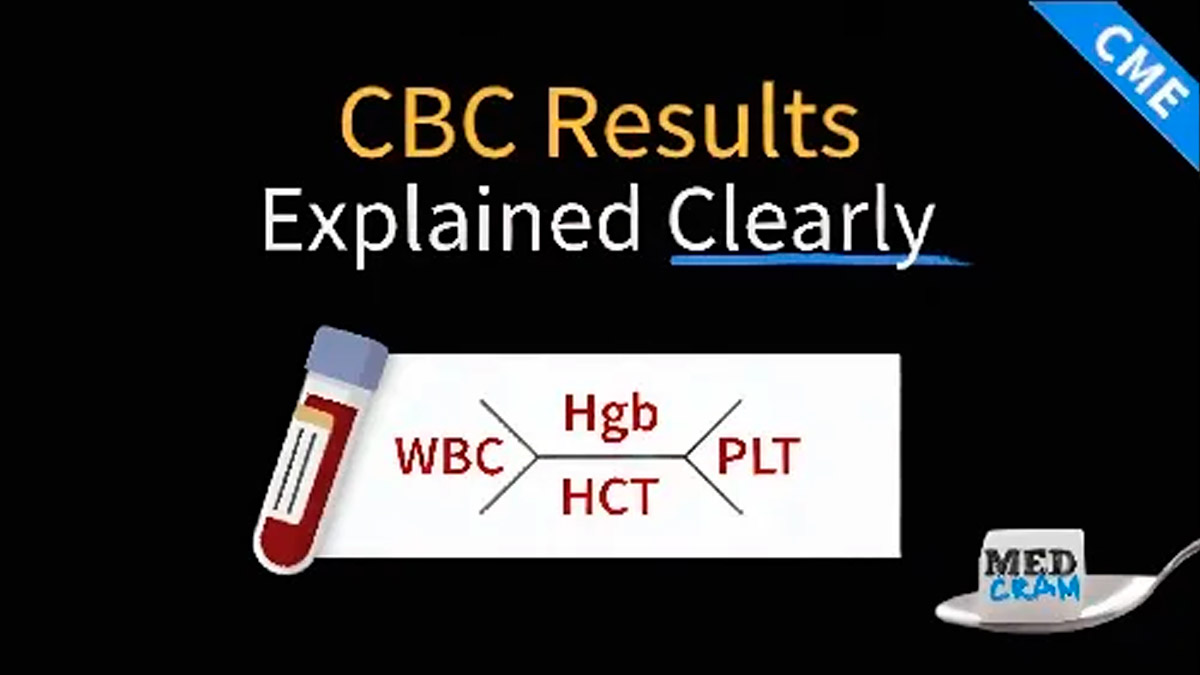
Complete Blood Count (CBC) is one of the most commonly ordered blood tests in clinical practice. It provides essential information about a patient’s overall health and helps diagnose various conditions, from infections to blood disorders. This article aims to explain CBC results clearly, breaking down the components of the test, their significance, and how to interpret the findings effectively.
What is a Complete Blood Count (CBC)?
A Complete Blood Count (CBC) measures several components of blood, including red blood cells (RBCs), white blood cells (WBCs), hemoglobin, hematocrit, and platelets. Each of these components provides valuable insights into a person’s health status.
Key Components of CBC
- Red Blood Cells (RBCs): These cells carry oxygen from the lungs to the rest of the body. A low RBC count may indicate anemia, while a high count could suggest dehydration or other conditions.
- Hemoglobin (Hb): This protein in RBCs binds oxygen. Hemoglobin levels help assess the oxygen-carrying capacity of the blood. Low levels may indicate anemia, while high levels can be associated with conditions like polycythemia.
- Hematocrit (Hct): This measures the proportion of blood volume that is occupied by RBCs. Like hemoglobin, low hematocrit levels can indicate anemia, while high levels may suggest dehydration or other disorders.
- White Blood Cells (WBCs): These cells are crucial for the immune response. A high WBC count may indicate infection, inflammation, or stress, while a low count can suggest bone marrow issues or autoimmune diseases.
- Platelets: These are essential for blood clotting. A low platelet count (thrombocytopenia) can lead to excessive bleeding, while a high count (thrombocytosis) may increase the risk of clotting disorders.
Interpreting CBC Results
Understanding CBC results requires context. Here’s how to interpret the findings:
- Normal Ranges: Each component of the CBC has a normal range, which can vary based on age, sex, and laboratory standards. Familiarizing yourself with these ranges is crucial for accurate interpretation.
- Trends Over Time: Evaluating CBC results over time can provide insights into a patient’s health. For instance, a gradual decline in hemoglobin levels may indicate a developing anemia.
- Clinical Correlation: CBC results should always be interpreted in conjunction with clinical findings and patient history. For example, a high WBC count in a patient with fever may suggest an infection.
- Follow-Up Testing: Abnormal CBC results often warrant further investigation. Additional tests may be needed to determine the underlying cause of the abnormalities.
Common Conditions Associated with CBC Abnormalities
- Anemia: Characterized by low RBCs, hemoglobin, or hematocrit levels, anemia can result from various causes, including nutritional deficiencies, chronic diseases, or bone marrow disorders.
- Leukemia: This cancer of the blood can lead to elevated WBC counts and abnormal cell types in the CBC.
- Infections: Elevated WBC counts are often seen in response to infections, whether bacterial, viral, or fungal.
- Thrombocytopenia: Low platelet counts can result from conditions such as immune thrombocytopenic purpura (ITP) or bone marrow disorders.
Conclusion
Understanding CBC results is essential for healthcare professionals and patients alike. By breaking down the components of the test and their significance, individuals can gain valuable insights into their health. For a more detailed exploration of CBC results and their implications, consider checking out the course offered at Shared Courses, which provides clear explanations and practical insights into interpreting CBC findings.
