 Skip to content
Oct
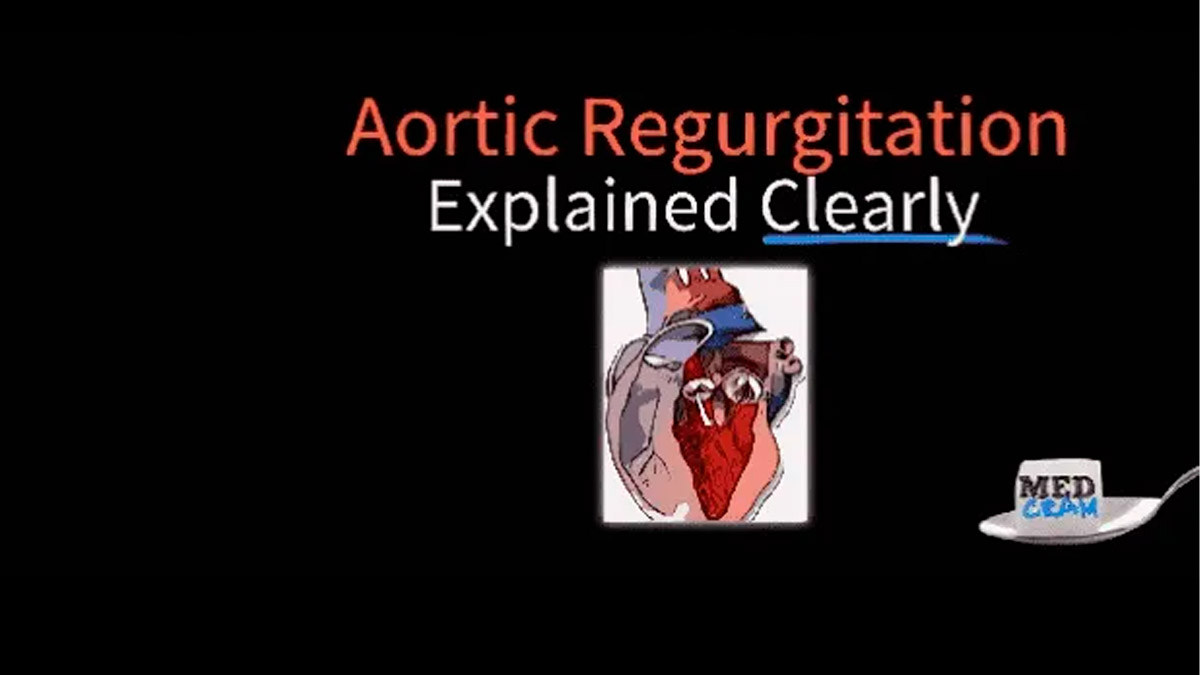
Aortic regurgitation is a condition characterized by the backflow of blood from the aorta into the left ventricle during diastole. This condition can lead to various complications if left untreated, making awareness and understanding of its implications crucial.
Causes
Aortic regurgitation can result from several factors, including:
- Congenital Heart Defects: Some individuals are born with abnormalities in the aortic valve, which can cause regurgitation.
- Rheumatic Fever: A complication of untreated strep throat that can damage the heart valves, leading to regurgitation.
- Bacterial Endocarditis: Infection of the heart valve can result in damage that leads to regurgitation.
- Degenerative Changes: Age-related changes to the aortic valve can cause it to become insufficient over time.
- Aortic Dissection: A tear in the aorta can disrupt normal valve function and cause regurgitation.
Symptoms
Many individuals with aortic regurgitation may not experience symptoms for years. However, as the condition progresses, common symptoms can include:
- Shortness of breath, especially during exertion or when lying down
- Fatigue and weakness
- Palpitations or irregular heartbeat
- Chest pain or discomfort
- Swelling in the ankles and feet
Diagnosis
Diagnosis of aortic regurgitation typically involves:
- Physical Examination: A healthcare provider may detect a characteristic heart murmur.
- Echocardiogram: This imaging test is essential in assessing the severity of regurgitation and the overall function of the heart.
- Electrocardiogram (ECG): This test records the electrical activity of the heart and can reveal irregularities.
- Chest X-ray: To check for heart enlargement.
Treatment
Treatment for aortic regurgitation is dependent on the severity of the condition and its symptoms. Options may include:
- Monitoring: Mild cases may require regular monitoring without immediate intervention.
- Medications: Diuretics, blood pressure medications, or other heart-related medications may be prescribed to manage symptoms.
- Surgery: In severe cases, surgical intervention may be necessary. Options include repairing the existing valve or replacing it entirely with a mechanical or biological valve.
Aortic regurgitation is a serious condition that requires early detection and appropriate management. If you experience symptoms or have risk factors, consult with a healthcare provider for an evaluation. Understanding the nature of this condition can empower patients to take control of their heart health.
