 Skip to content
Oct
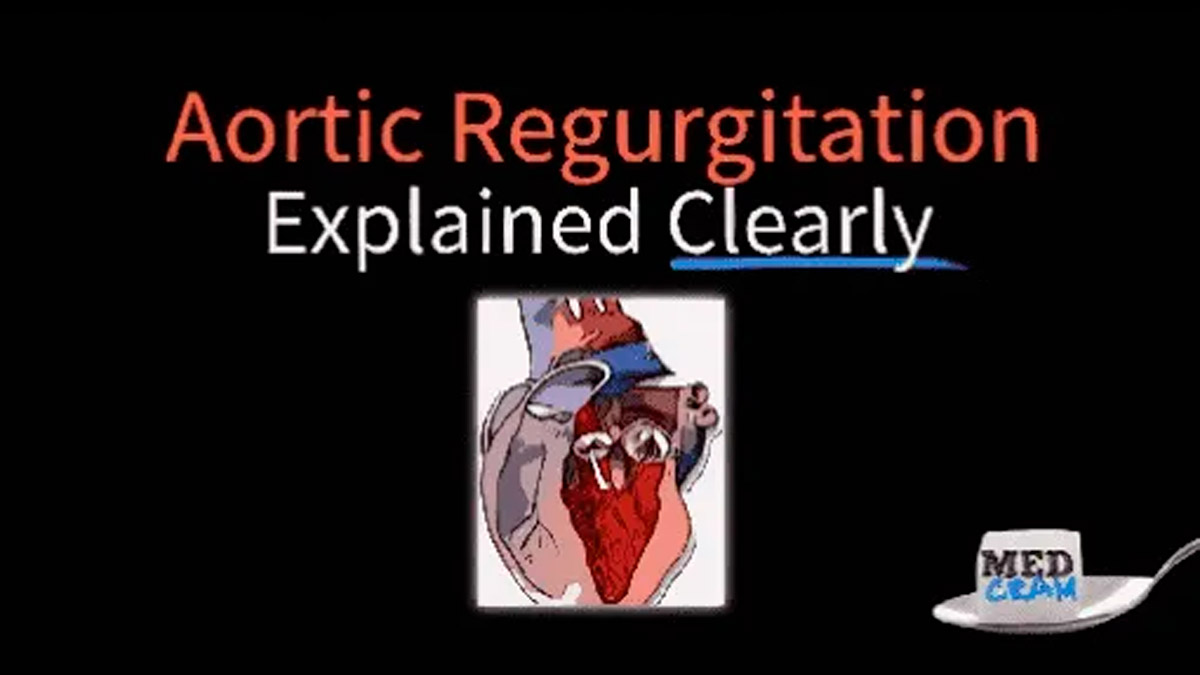
Aortic regurgitation (AR) is a significant cardiovascular condition characterized by the backflow of blood from the aorta into the left ventricle during diastole. This condition can lead to various complications if not diagnosed and managed appropriately. In this article, we will explore the causes, symptoms, diagnosis, and treatment options for aortic regurgitation, providing a clear understanding of this complex condition.
What is Aortic Regurgitation?
Aortic regurgitation occurs when the aortic valve, which normally prevents blood from flowing backward into the heart, fails to close completely. This malfunction can result from various factors, including congenital defects, degenerative changes, or inflammatory diseases. The backflow of blood increases the volume load on the left ventricle, leading to its dilation and eventual heart failure if left untreated.
Causes of Aortic Regurgitation
- Congenital Heart Defects: Some individuals are born with aortic valves that have two cusps instead of the normal three, a condition known as aortic bicuspid valve. This can predispose them to regurgitation.
- Degenerative Changes: Age-related changes in the aortic valve can lead to calcification and stiffness, impairing its ability to close properly.
- Infective Endocarditis: This infection of the heart valves can damage the aortic valve, leading to regurgitation.
- Rheumatic Fever: A complication of untreated streptococcal throat infections, rheumatic fever can cause scarring of the heart valves.
- Aortic Dissection: This serious condition involves a tear in the aorta, which can affect the aortic valve’s function.
Symptoms of Aortic Regurgitation
Symptoms of aortic regurgitation can vary depending on the severity of the condition. Early stages may be asymptomatic, but as the condition progresses, individuals may experience:
- Shortness of Breath: Particularly during exertion or when lying flat.
- Fatigue: Due to decreased cardiac output.
- Palpitations: A sensation of rapid or irregular heartbeats.
- Chest Pain: May occur, especially during physical activity.
- Swelling: In the ankles or feet due to fluid retention.
Diagnosis of Aortic Regurgitation
Diagnosing aortic regurgitation typically involves a combination of clinical evaluation and diagnostic imaging:
- Physical Examination: A healthcare provider may detect a characteristic heart murmur during a routine check-up.
- Echocardiography: This ultrasound of the heart is the primary tool for assessing the severity of regurgitation and the function of the left ventricle.
- Electrocardiogram (ECG): This test can identify any electrical abnormalities in the heart.
- Chest X-ray: May show signs of heart enlargement or other complications.
- Cardiac MRI or CT Scan: These imaging techniques can provide detailed information about the aortic valve and surrounding structures.
Treatment Options for Aortic Regurgitation
The treatment for aortic regurgitation depends on the severity of the condition and the presence of symptoms:
- Monitoring: In mild cases without symptoms, regular follow-up with echocardiograms may be sufficient.
- Medications: Diuretics may be prescribed to manage symptoms of heart failure, while vasodilators can help reduce the workload on the heart.
- Surgical Intervention: In cases of severe regurgitation or significant symptoms, surgical options may include:
- Aortic Valve Repair: This procedure aims to fix the existing valve.
- Aortic Valve Replacement: Involves replacing the damaged valve with a mechanical or biological prosthesis.
Conclusion
Aortic regurgitation is a complex condition that requires careful evaluation and management. Understanding its causes, symptoms, and treatment options is crucial for effective care. If you or someone you know is experiencing symptoms related to aortic regurgitation, it is essential to seek medical advice promptly. Early diagnosis and intervention can significantly improve outcomes and quality of life.
For more in-depth information and resources on aortic regurgitation, consider exploring the course offered at Shared Courses, which provides clear explanations and insights into this important cardiovascular condition.
