Skip to content
Understanding Nonverbal Communication
Original price was: $29.99.$7.99Current price is: $7.99.
Explore the role of nonverbal communication as it relates to understanding other people’s worldviews and interaction styles, led by a renowned expert in the field.
Understanding Nonverbal Communication
Overview
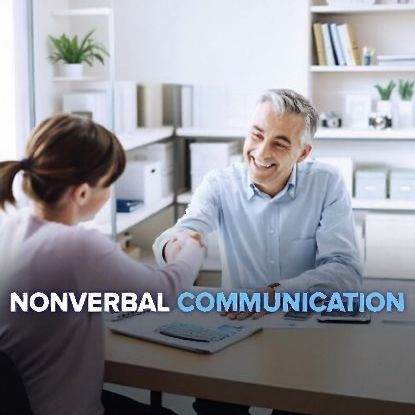
Explore the role of nonverbal communication as it relates to understanding other people’s worldviews and interaction styles, led by a renowned expert in the field. Posture, eye contact, gestures, tone, and pitch—what you don’t say can speak louder than words. Nonverbal communication is less intentional and harder to control than verbal communication, providing better clues to what people are feeling and thinking—if you know how to read those signs.
In 12 revealing lectures, delve into the history, evolution, and context of both the obvious and subtle nuances of personal expression. Led by Dr. Mark Frank from the Communication Science Center at the University at Buffalo, you will analyze the messages being sent and how they are received. Discover the biological and anthropological aspects of nonverbal communication and how our ability to present our intentions has evolved. By the end of this course, you’ll realize that the “invisible” world of nonverbal communication was always visible to you. Armed with the knowledge and skills to recognize and analyze it, you will understand that when you understand nonverbal communication, you understand people.
Course Content
01: The Science of Nonverbal Communication
Learn about the influential study from the 1960s that opened the door to modern nonverbal communication. Understand why it matters and how it interacts with verbal communication to emphasize or deemphasize messages. (32 min)
02: The Meaning of Personal Space
Examine the biological drives, such as territorialism, that influence our nonverbal reactions. Define the three “levels” of territories and see how they affect our reactions. (30 min)
03: Space, Color, and Mood
Discover how the colors you wear, makeup, and scents send signals. Trace the evolution of why certain colors or smells convey subtle messages and how external factors impact our feelings and behaviors. (29 min)
04: What Body Type Doesn’t Tell You
Explore whether we can predict behavior and personality based on body type or face. Dr. Frank discusses myths and facts about cultural references in seeking mates and their impact on success. (29 min)
05: Evolution’s Role in Nonverbal Communication
Unravel the history of nonverbal communication and how it evolved. Learn about the seven emotions communicated most strongly through facial expressions and body language. (30 min)
06: Secrets in Facial Expressions
Take a closer look at facial expressions, learning about conflicts of feelings and nuances that can be lost in interpretation. Discover insights from Darwin and contemporary psychologists. (32 min)
07: Hidden Clues in Vocal Tones
Probe into nonverbal elements of the voice, including tone, volume, and speech irregularities. Learn how these factors convey messages about the speaker’s intent. (31 min)
08: Cues from Gestures and Gait
Understand how body language communicates intent and often contradicts verbal messages. Explore how posture, gestures, and gait send signals about who you are. (29 min)
09: Interpreting Nonverbal Communication
Assess how well we read people and whether we can train ourselves to improve this skill. This lecture explores studies measuring the ability to read nonverbal cues. (32 min)
10: Cultural Differences in Nonverbal Communication
Delve into how culture impacts nonverbal communication, examining differences driven by the integration of biology and culture, including unwritten display rules. (31 min)
11: Spotting Nonverbal Deception
Learn to detect lies through clues in voice, body language, and facial expressions. Understand the difference between deception and a lie, and explore the emotional reactions involved. (32 min)
12: Communicating Attraction
Conclude the course by understanding how reading nonverbal communication can enhance relationships and improve success in various areas of life, from job interviews to social interactions. (32 min)
Related products


Courses