Skip to content
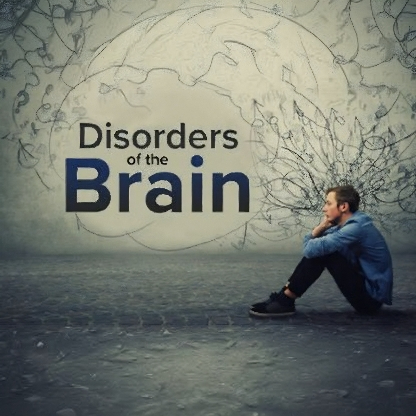
Understanding Disorders of the Brain
Original price was: $29.99.$6.99Current price is: $6.99.
The brain is a complex and mysterious organ. When everything goes right, it is a finely tuned machine that serves as our body’s central processing unit. But like computers on the fritz, things occasionally go haywire in the brain, and the effects can be absolutely crushing. What happens when things go wrong?
Overview
From autism to Alzheimer’s, learn about brain diseases and disorders in these 24 captivating lessons.
The brain is a complex and mysterious organ. When everything goes right, it is a finely tuned machine that serves as our body’s central processing unit. But like computers on the fritz, things occasionally go haywire in the brain, and the effects can be absolutely crushing. What happens when things go wrong?
Now you can delve into the mysteries of what can go awry inside our central processing unit. Taught by esteemed Professor Sandy Neargarder, the 24 eye-opening lessons in Understanding Disorders of the Brain survey some of the most common, and not-so-common, disorders that disrupt the many ways our brains function.
Professor Neargarder explores what we know about diseases ranging from autism, multiple sclerosis, and Alzheimer’s to traumas such as head injuries and strokes. For each disorder, she walks through the genetic and environmental factors that underlie the pathology, shares insight about the signs and symptoms to look out for, and discusses the latest research on treatment and cures.
Science has come a long way in solving the mysteries of the human brain, but we still have a long way to go. Building a better understanding of these disorders can help all of us minimize our risk factors, recognize symptoms, and ensure the best course of action for ourselves and those we love. This course offers a powerful introduction to the journey of brain science in the 21st century and an excellent addition to your lifelong learning library.
Course Outline
01: Anatomy and Functioning of the Brain
Kick off this course with a tour of the brain, reviewing its parts and functions that keep our bodies operating and minds working.
Duration: 30 min
02: Neuropsychological Assessment
Shift your attention to neuropsychology, exploring how brain functioning influences behavior and cognition, and how disorders are assessed.
Duration: 29 min
03: Intellectual Disabilities and Down Syndrome
Survey the range of intellectual disabilities and Down syndrome, delving into potential genetic and environmental causes.
Duration: 30 min
04: Autism Spectrum Disorders, Part 1
Study the symptoms that characterize autism, how it is diagnosed, and some of the presumed causes and comorbidities.
Duration: 29 min
05: Autism Spectrum Disorders, Part 2
Examine research on brain pathology, savant abilities, and treatment options related to autism.
Duration: 31 min
06: Attention Deficit Hyperactivity Disorder
Dive into ADHD, its prevalence, types, environmental risk factors, and challenges of diagnosis.
Duration: 31 min
07: Developmental Dyslexia
Explore developmental dyslexia, its causes, and what happens inside the brain of someone with this language-based learning disability.
Duration: 29 min
08: Epilepsy
Examine epilepsy, its categories, causes, treatments, and case studies to see how it affects individuals differently.
Duration: 30 min
09: Mitochondrial Disorders
Learn about mitochondrial disorders, their symptoms, causes, and their relationship with brain function.
Duration: 32 min
10: Head Injuries, Part 1
Discuss the common symptoms and pathology of head injuries, focusing on closed-head injuries like concussions.
Duration: 28 min
11: Head Injuries, Part 2
Explore unusual conditions resulting from head injuries, including visual agnosia and chronic traumatic encephalopathy (CTE).
Duration: 28 min
12: Multiple Sclerosis
Investigate multiple sclerosis, a disorder that disrupts nerve signals, and its varied effects on individuals.
Duration: 28 min
13: Brain Tumors
Examine the different types of brain tumors, their causes, and treatments, focusing on the most common forms.
Duration: 29 min
14: Huntington’s, ALS, and Creutzfeldt-Jakob
Take a look at Huntington’s disease, ALS, and Creutzfeldt-Jakob disease, exploring their neurodegenerative nature and research on potential cures.
Duration: 31 min
15: Parkinson’s Disease, Part 1
Learn the basics of Parkinson’s disease, including signs, symptoms, and underlying brain pathology.
Duration: 28 min
16: Parkinson’s Disease, Part 2
Investigate how biological sex affects Parkinson’s disease and review potential causes and current treatments.
Duration: 26 min
17: Stroke, Part 1
Find out what a stroke is, the different types, and common symptoms associated with cerebrovascular diseases.
Duration: 29 min
18: Stroke, Part 2
Review risk factors, types of aphasia, and prevention strategies related to strokes.
Duration: 28 min
19: Alzheimer’s Disease, Part 1
Dive into the signs, symptoms, neuropathy, and risk factors associated with Alzheimer’s disease.
Duration: 27 min
20: Alzheimer’s Disease, Part 2
Explore preventative measures, interventions, and research trends related to Alzheimer’s disease.
Duration: 27 min
21: Lewy Body Disease and Vascular Dementia
Learn about Lewy body disease and vascular dementia, their symptoms, and underlying causes.
Duration: 31 min
22: FTD and Wernicke-Korsakoff Syndrome
Wrap up the unit on dementia with a survey of frontotemporal dementia and Wernicke-Korsakoff syndrome.
Duration: 29 min
23: Mild Cognitive Impairment
Examine mild cognitive impairment and its differences from normal aging behaviors, offering clues to prevention and treatment.
Duration: 27 min
24: The Future of Brain Research and Treatment
Conclude with a look at the forefront of brain research, including neurobiology, physics, and artificial intelligence.
Duration: 30 min
Related products