Skip to content
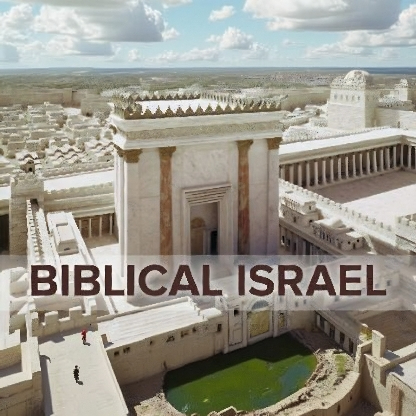
The World of Biblical Israel
Original price was: $39.99.$7.99Current price is: $7.99.
Get a better understanding of the peoples and events described in the Old Testament with this engaging course taught by Professor Chapman. Through 24 lectures, the course situates biblical stories in their historical and archaeological contexts — from the origins in Genesis through exile, resettlement under Persian rule, and the religious developments that shaped the Hebrew scriptures. Combining close readings of texts with material culture (houses, temples, daily life) and political history (kingdoms, empires, exile), the course reveals how the Bible both reflects and reshaped the identity, religion, and social life of the Israelite people.
Course Overview
Get a better understanding of the peoples and events described in the Old Testament with this engaging course taught by Professor Chapman. Through 24 lectures, the course situates biblical stories in their historical and archaeological contexts — from the origins in Genesis through exile, resettlement under Persian rule, and the religious developments that shaped the Hebrew scriptures. Combining close readings of texts with material culture (houses, temples, daily life) and political history (kingdoms, empires, exile), the course reveals how the Bible both reflects and reshaped the identity, religion, and social life of the Israelite people.
Course Details
- Course No.: 6325
- Instructor: Professor Chapman (professor of biblical studies)
- Format: 24 recorded lectures
- Typical lecture length: ~28–35 minutes
- Focus: Historical overview, archaeology vs. biblical narrative, social/religious life, exile and restoration
Video Lectures (organized)
01: Biblical Israel — The Story of a People — 32 min
What can the Bible and archaeological sources tell us about daily life in ancient Israel? Historical overview and context for how the Bible came into being.
02: By the Rivers of Babylon — Exile — 30 min
Introduction to the Babylonian exile, when Judeans reexamined identity and began compiling much of the Bible; two vantage points for understanding biblical history.
03: Ancestor Narratives in Genesis — 28 min
Survey of Israel’s origin stories in Genesis — Abraham’s covenant, Jacob and his children — explaining the family-based self-understanding of Israel.
04: Moses — The Torah’s Central Hero — 30 min
Narrative of Moses and the Exodus, Sinai and the Ten Commandments, the Torah as law, and the origins of the priesthood.
05: Becoming the Nation of Israel — 31 min
Emergence of Israel in Joshua and Judges, questions about conquest of Canaan, and an introduction to biblical archaeology methods.
06: Kinship and Economics in Highland Villages — 30 min
Daily life in the highlands: houses, family compounds, food, labor division, and gender roles.
07: Three Weddings and a Funeral — 31 min
Marriage practices and beliefs illustrated by Isaac & Rebekah, Abraham & Hagar, and the Dinah–Shechem episode; family negotiations and social norms.
08: Political Power Bases in Early Israel — 30 min
Models of leadership — judges, elders, kings — case studies of leaders and how they governed.
09: Kingdoms and King Making — 33 min
Overview of David, Solomon, and the divided monarchy; origins of monarchy, reasons for the split, and archaeological comparisons.
10: Politics and Economy of a Centralized Cult — 32 min
Intersection of politics and religion across the Near East; role and economy of the temple and reconstruction of Solomon’s temple in context.
11: Worshipping Locally — 31 min
Household religion, local shrines, variety of deities, and what the Bible says about popular religious practices versus centralized worship.
12: Lives of the Rich, Lives of the Poor — 29 min
Social inequality examined through Naboth’s vineyard and prophetic critiques (Amos, Isaiah) of stratified society.
13: Assyrian Incursion into Israel and Judah — 31 min
The Assyrian conquest of the northern kingdom: imperial records, overlap with biblical texts, and consequences for Israel.
14: Life under Siege — 31 min
Judah’s experience under Assyrian threat, focus on Hezekiah’s reign and differing claims about the siege of Jerusalem.
15: Religious Debates and Preserved Text — 30 min
7th-century B.C.E. religious debates in Judah, foreign cults, centralization reforms under King Josiah, and the formation of key texts.
16: Ezekiel — Exilic Informant — 29 min
Ezekiel’s eyewitness account of conquest and exile, his visions, and theological responses to national trauma.
17: Life in Exile, Life in Judah — 31 min
Varied experiences of Judeans in exile (Babylon, Egypt) and those who remained in Judah; social and demographic consequences.
18: Literacy and Education — 31 min
Origins of writing in the Near East, rise of literacy in Israel, palace training, Proverbs, and family-based education.
19: Religious Developments of the Exile — 31 min
Development of monotheism from polytheism to Yahweh’s primacy; Second Isaiah as a pivotal voice envisioning Yahweh as universal.
20: The New Israel — Resettling the Land — 30 min
Return to the land under Persian rule: Cyrus Cylinder and Ezra, who returned, rebuilding the temple, conflicts, and identity preservation.
21: Food and the Family Meal — Boundaries — 30 min
Ancient Israelite diet, class differences in food, the social bond of shared meals, and the role of dietary laws in group identity.
22: National Identity — Intermarriage — 29 min
Post-exilic anxieties about intermarriage illustrated by Genesis/Dinah and the book of Ruth; women’s perspectives on marriage and survival.
23: National Identity — Twins and Enemies — 32 min
Jacob and Esau as a narrative of sibling rivalry and as a metaphor for Israel–Edom relations and post-exilic identity concerns.
24: Loss and Restoration — Two Biblical Stories — 35 min
Final lecture examining the stories of Abraham & Isaac and Job; themes of loss, suffering, restoration, and theological meaning for an exilic community.
Related products