Skip to content
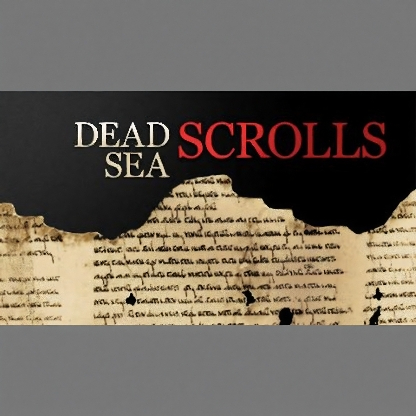
The Dead Sea Scrolls
Original price was: $39.99.$7.99Current price is: $7.99.
The Dead Sea Scrolls represent the greatest archaeological discovery of the 20th century – a 2,000-year-old library of profound historical, religious, and linguistic significance. In these 24 lectures, you’ll explore this extraordinary collection of 930 documents that forever changed our understanding of ancient Judaism and early Christianity.
The Dead Sea Scrolls
Overview
Course No. 6362
The Dead Sea Scrolls represent the greatest archaeological discovery of the 20th century – a 2,000-year-old library of profound historical, religious, and linguistic significance. In these 24 lectures, you’ll explore this extraordinary collection of 930 documents that forever changed our understanding of ancient Judaism and early Christianity.
From their dramatic discovery in Qumran’s caves to the decades-long scholarly efforts to decipher them, you’ll follow the scrolls’ remarkable journey. The course examines their contents (including complete texts and fascinating fragments), the community that preserved them, and their revolutionary impact on biblical studies. You’ll gain rare insight into Jewish sectarianism during the Second Temple period while reading actual scroll passages in English translation.
Video Lectures
01: The Discoveries and Their Significance (32 min)
Introduce the scrolls’ world-changing impact on biblical scholarship and their dramatic 1947 discovery near the Dead Sea.
02: The First Seven Scrolls (28 min)
Trace how scholars acquired and began translating the initial cache of scrolls found in Cave 1.
03: Opening and Reading the First Scroll (32 min)
Analyze the Community Rule scroll, revealing the theology and organization of the Qumran sect.
04: The Historical Backdrop of Ancient Judaism (31 min)
Survey Jewish history from the Maccabean Revolt to the fall of Masada (167 BCE-73 CE).
05: The Rise of the Jewish Sects (29 min)
Compare the Sadducees, Pharisees, Essenes, and Zealots through ancient sources like Josephus.
06: The Dead Sea Site of the Qumran Sect (32 min)
Investigate archaeological evidence linking the scrolls to the nearby Qumran settlement.
07: The Emergence of the Rabbinic System (32 min)
Examine 3rd-century rabbinic texts that provide context for the scrolls’ composition.
08: A Dead Sea Scroll from Medieval Cairo (30 min)
Study the Damascus Document, found centuries before the Qumran discoveries.
09: Pesher Interpretation-Prophecy Read Anew (28 min)
Decode the Pesher Habakkuk’s unique method of biblical interpretation.
10: The War Scroll and Other Apocalyptic Texts (29 min)
Explore visions of the cosmic battle between “Sons of Light” and “Sons of Darkness.”
11: Biblical Manuscripts at Qumran (31 min)
Compare Qumran’s biblical texts with other ancient versions (Masoretic, Septuagint, Samaritan).
12: Alternative Views of Qumran and the Scrolls (29 min)
Evaluate competing theories about the scrolls’ origins beyond the Essene hypothesis.
13: Stops and Starts En Route to Publication (28 min)
Uncover the scholarly rivalries and delays in the scrolls’ 40-year publication process.
14: The Qumran Vision for a New Temple (31 min)
Analyze the Temple Scroll’s radical reworking of Torah laws in God’s first-person voice.
15: Daily Life at Qumran (31 min)
Reconstruct sectarian life through texts and archaeology, including debates about women’s roles.
16: The Halakhic Letter-Rituals Define the Sect (31 min)
Study this legal treatise that established the community’s 20 distinctive practices.
17: The Qumran Biblical Canon (30 min)
Investigate which scriptures the sect considered authoritative, including apocryphal works.
18: The Qumran Calendar (31 min)
Discover how the community’s unique 364-day calendar set them apart from mainstream Judaism.
19: Jewish Scholars and Qumran Ritual Practices (32 min)
Examine tefillin, mezuzot, and Grace after Meals through scroll fragments published in 1991.
20: Prayers, Hymns, and the Synagogue (30 min)
Explore liturgical life through the Thanksgiving Hymns and evidence of synagogue worship.
21: Qumran Hebrew as an Anti-Language (31 min)
Decipher how the sect’s distinctive dialect reinforced their separatist identity.
22: The Enigma of the Copper Scroll (32 min)
Puzzle over this unique metal scroll’s cryptic treasure map and possible meanings.
23: Connections to Christianity (33 min)
Identify striking parallels between Qumran beliefs and early Christian practices.
24: Scroll Fragments and a New View of Judaism (34 min)
Conclude with fragmentary texts’ insights and the scrolls’ enduring legacy for understanding ancient Judaism.
Related products

Courses