Skip to content
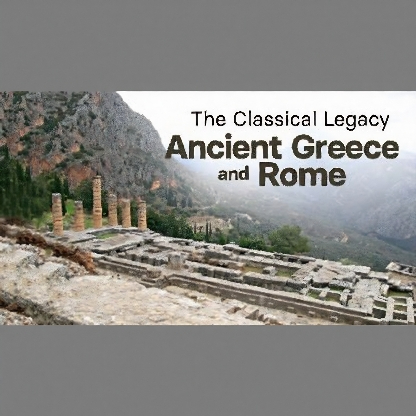
The Classical Legacy: Ancient Greece and Rome
Original price was: $9.99.$3.99Current price is: $3.99.
Course No. 3143 — Get classy perspectives—as in classical Greece and Rome—on very modern fixtures like shopping malls and tailgating parties. This pilot lecture examines how everyday social, commercial, and recreational institutions in the contemporary world have deep precedents in the practices, spaces, and rituals of ancient Greece and Rome.
Overview
Course No. 3143 — Get classy perspectives—as in classical Greece and Rome—on very modern fixtures like shopping malls and tailgating parties. This pilot lecture examines how everyday social, commercial, and recreational institutions in the contemporary world have deep precedents in the practices, spaces, and rituals of ancient Greece and Rome.
Course Description
Join an award‑winning professor for a fresh, comparative look at the classical past and its surprisingly direct echoes in modern life. The Classical Legacy explores how marketplaces, leisure complexes, civic festivals, spectator culture, advertising and branding, public rituals, and urban design in Greek and Roman antiquity created models that reappear (transformed) in malls, stadium tailgates, urban plazas, consumer culture, and civic spectacle today. Through close readings of ancient evidence (literature, inscriptions, architecture, and material culture) and comparisons with contemporary practices, the lecture shows how the ancients organized social space, staged communal identity, and commodified leisure—and what that legacy means for modern civic and commercial life.
Instructor
Award‑winning professor (course presenter)
Lecture List
- Pilot Lecture: The Classical Legacy: Ancient Greece and Rome
- Description: Trace the ancient antecedents of modern social and commercial institutions—markets, festivals, spectator culture, and public entertainments—and see how Greek and Roman forms shaped the templates for malls, tailgating, and other contemporary rituals.
- Duration: Pilot lecture (duration not provided)
Learning Objectives
- Identify key Greek and Roman institutions (agoras, fora, amphitheaters, baths, festivals) that shaped communal and commercial life.
- Compare ancient public rituals and commercial practices with modern counterparts (shopping centers, sports tailgates, civic parades).
- Analyze primary classical sources and material evidence that document everyday social and commercial behavior.
- Reflect critically on continuity and transformation: what ideas and practices persist, and how have they been reinvented?
- Apply insights from antiquity to contemporary questions about public space, consumption, and collective identity.
Target Audience
General learners, students of classics, history, anthropology, urban studies, sociology, cultural studies, museum professionals, and anyone curious about how ancient institutions inform modern social and commercial life.
Related products