Skip to content
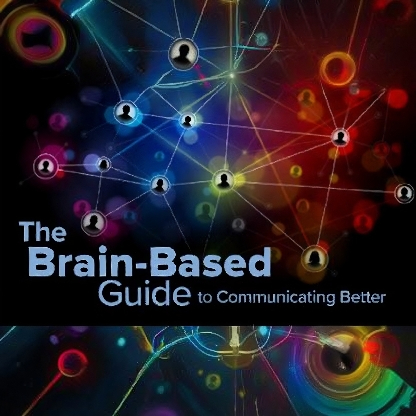
The Brain-Based Guide to Communicating Better
Original price was: $19.99.$5.99Current price is: $5.99.
Master both the scientific and practical dimensions of communication. It likely comes as no surprise that, as adults, we learn differently than we did when we were children.
The Brain-Based Guide to Communicating Better
Overview
Master both the scientific and practical dimensions of communication. It likely comes as no surprise that, as adults, we learn differently than we did when we were children. Our brains are full of experiences and information we have acquired over time, and these resources are exactly what we apply to any new learning event, whether it’s a new job or hobby, or simply a novel experience or conversation we need to navigate. And the nature of how we learn shapes the way we communicate—both how we give and how we receive information in our everyday lives.
The field of neuroandragogy is the study of how adults learn and what role the brain plays in that process. By digging into this unique field and its discoveries, you can better understand how your own mind works and develop strategies based on this knowledge to communicate successfully in various situations and environments. As you will see, communicating with others is not just about clarity. Useful and rewarding communication is also about understanding how to grab someone’s attention and how to ensure that the information that you share can be retained and used. Knowing how the adult mind works can help you to optimize your approach in getting the results you want from your communications.
In The Brain-Based Guide to Communicating Better, Professor Allison Friederichs will walk you through six lessons that can help you better know your own mind, and thus understand and transform your own methods of communication. You will learn how your brain acquires, processes, and retains information. You can then take that knowledge and apply it whenever you need to convey something to others, with the best possible results. While you may not have any control over how other people communicate, developing your own methods of connection and conversation can have a positive impact on both your personal and professional life. Along the way, Professor Friederichs encourages you to keep a communication journal that can help you learn and process the invaluable information she shares. Keeping a journal allows you to have a continual resource for both her lessons and your own observations.
Course Lessons
01: How the Adult Brain Communicates
Start your study of communication with a look at the basic physiology and functions of the brain, focusing on key regions and the roles they play. This biological overview ties closely to neuroandragogy: the study of how adults learn and retain information. By better understanding this field, you will get a clearer picture of communication and how to best apply its key principles to your own life.
Duration: 32 min
02: Messages That Activate Our Brains
Memory is a key component of communication. Discover how memory works by looking at the regions of the brain that help us create both short- and long-term memories and better understand how emotion can be key to creating and retaining them. You will also consider common miscommunication issues and memory tools like mnemonic devices.
Duration: 30 min
03: How to Get and Hold Our Brains’ Attention
How do you engage the attention of others to maximize successful communication? And why are we so determined to multitask, even though the mind isn’t suited to juggling various activities? In this lesson, Professor Friederichs looks at how attention works and then offers strategies you can apply to overcome the many distractions that can interfere with our attempts to share and process information.
Duration: 32 min
04: Guiding Brains with Inquiry and Analogy
Learn invaluable strategies that can lead to fewer miscommunications by harnessing the power of previous experience. As you will see, asking questions of your audience to better understand their experience can help you craft an approach—including analogies and other tools—that creates a bridge between what they already know and what you are trying to communicate.
Duration: 28 min
05: Enriching the Conversational Environment
We don’t communicate in a vacuum and our communications are often affected by what is happening around us. Here, you will learn how to use an array of tools and techniques to enrich your communication strategy, cut down on distraction, and help others connect with the information you are sharing in a variety of scenarios.
Duration: 30 min
06: Overcoming Roadblocks to Communicating Well
The course comes to a close with a look at common issues that can hinder successful communication and different strategies you can use to overcome them. Whether you need to overcome anxiety or get past the roadblock of entrenched bias, these tools will help you better connect with the people around you in every facet of your life.
Duration: 29 min
Related products