Skip to content
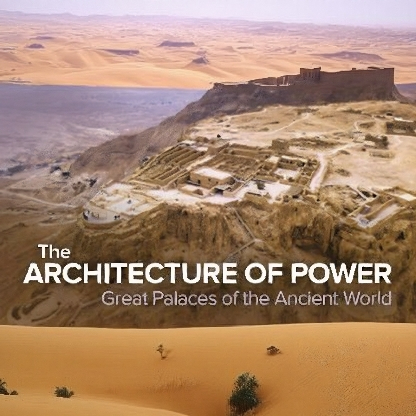
The Architecture of Power: Great Palaces of the Ancient World
Original price was: $49.99.$9.99Current price is: $9.99.
Explore the nature of political power and cultural tradition through history’s most opulent palaces, guided by archaeology professor Steven L. Tuck.
The Architecture of Power: Great Palaces of the Ancient World
Course Overview
Course No. 3332
Explore the nature of political power and cultural tradition through history’s most opulent palaces, guided by archaeology professor Steven L. Tuck.
This 24-lecture journey reveals:
- How palaces functioned as seats of power and cultural symbols
- Architectural innovations across civilizations from Egypt to Rome
- The relationship between palace design and political authority
- Remarkable structures both standing and lost to history
Video Lectures
01: Palaces Past and Present (34 min)
Begin with Saddam Hussein’s palaces and their connections to ancient Egyptian and Babylonian architecture.
02: Malkata Palace: Pharaoh, Foreigners, and Gods (32 min)
Explore this 14th-century BC Egyptian palace as a microcosm of pharaonic power and religious rituals.
03: Amarna: Palace of the First Sun King (31 min)
Discover how Akhenaten’s revolutionary capital challenged traditional Egyptian power structures.
04: Phaistos: Palaces between Asia and Europe (32 min)
Uncover Bronze Age Crete’s mysterious palace and its spectacular religious ceremonies.
05: Palace of Nestor at Pylos and Bronze Age Greece (32 min)
Examine this Mycenaean complex’s throne room and what it reveals about royal life.
06: The Assyrian Palace at Nimrud: Empire in Stone (33 min)
Study Ashurnasirpal II’s monumental palace with its 20-foot gates and braggadocious inscriptions.
07: Nineveh: The Architecture of Assyrian Power (34 min)
Tour the last great Assyrian capital with its river engineering and towering lamassu guardians.
08: Persepolis: Palace of the Persians (33 min)
Climb the 111 steps to the Gate of All Nations in Persia’s magnificent ceremonial capital.
09: Greek Palaces in Conquered Lands I (31 min)
See how Alexander the Great blended Greek and Persian styles in his imperial residences.
10: Greek Palaces in Conquered Lands II (31 min)
Compare post-Alexandrian palaces in Jordan and Libya showing distinct regional identities.
11: Greek Palaces Come to Roman Italy (32 min)
Discover how Roman generals transformed architecture after eastern conquests.
12: Masada: Herod the Great between East and West (32 min)
Marvel at Herod’s desert fortress and its ingenious construction challenges.
13: Herod the Great’s Summer and Winter Palaces (31 min)
Explore how Herod’s seasonal residences reflected his complex royal identity.
14: Caligula’s Floating Palaces (33 min)
Board these luxurious Roman pleasure ships with baths, banquet halls, and live music.
15: Nero’s Domus Transitoria at Rome (32 min)
Witness Nero’s architectural revolution using Roman concrete for custom designs.
16: Nero’s Golden House: A Roman Palace Theater (32 min)
Tour the infamous 124-acre Domus Aurea with its gold-covered walls and rotating sculptures.
17: Rome’s Great Imperial Palace of Domitian (32 min)
Visit the Palatine Hill complex that gave us the word “palace” and housed emperors.
18: Hadrian’s Villa, Tivoli (32 min)
Explore this UNESCO site reflecting Hadrian’s artistic genius and Greek influences.
19: Diocletian’s Retirement Palace, Split (32 min)
Study this radical architectural departure that stabilized the late Roman Empire.
20: Constantine’s Palace, Constantinople (33 min)
Discover the new Roman capital’s palace complex with its monumental hippodrome.
21: China’s Endless Palace: Weiyang Palace (32 min)
Walk through the largest imperial palace ever built (1,200 acres) reflecting Confucian ideals.
22: The Palace of Montezuma II at Tenochtitlán (32 min)
Investigate the Aztec capital’s swamp-born marvel before Spanish conquest.
23: Renaissance Palaces and the Classical Revival (33 min)
Trace ancient influences on Versailles, Kensington Palace, and other European marvels.
24: Palaces in a World of Democracies (38 min)
Conclude with the White House’s political symbolism and modern corporate palaces.
Related products