Skip to content
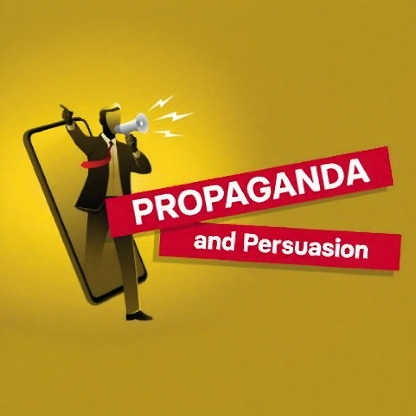
Propaganda and Persuasion: The Science of Influence
Original price was: $29.99.$6.99Current price is: $6.99.
Persuasion—along with its cousins: propaganda, manipulation, and coercion—has been part of the human experience for thousands of years. The 20th and 21st centuries, however, have seen the rise of mass media and an explosion of digital messaging, making it critical for savvy citizens today to understand the tools and science of persuasion.
Propaganda and Persuasion: The Science of Influence
Course Overview
Course No. 40200
Persuasion—along with its cousins: propaganda, manipulation, and coercion—has been part of the human experience for thousands of years. The 20th and 21st centuries, however, have seen the rise of mass media and an explosion of digital messaging, making it critical for savvy citizens today to understand the tools and science of persuasion.
Propaganda and Persuasion gives you a one-of-a-kind opportunity to explore the powerful, fascinating, and at times dangerous world of influence. Taught by Professor Dannagal G. Young of the University of Delaware, these 12 eye-opening lectures arm you with the tools of effective communication and the insight to understand—and perhaps resist—persuasion in all its forms.
Key Historical Perspectives:
- Aristotle’s foundations: logos (reason) and pathos (emotion)
- The rise of mass media and public relations
- Nazi propaganda techniques during the Third Reich
- Post-war American advertising revolution
- Digital-age challenges in communication
This course covers persuasion across multiple domains:
✔ Politics
✔ Advertising
✔ Relationships
✔ Public health
✔ Social media
Video Lectures
01: How Propaganda and Persuasion Differ
Duration: 29 min
Begin by distinguishing persuasion from coercion, manipulation, and propaganda. Examine the ethics of influence and the social responsibility of persuaders in shaping attitudes and beliefs.
02: Early Fears of Mass Persuasion
Duration: 30 min
Discover how 20th-century mass media sparked concerns about societal manipulation, tracing the origins of public relations and collective psychological effects.
03: Propaganda of the Third Reich
Duration: 38 min
Analyze Nazi Germany’s use of mass media for authoritarian control, focusing on manipulation techniques like canalization and supplementation.
04: Persuasion of the American Consumer
Duration: 30 min
Explore post-WWII advertising strategies that shifted from product features to emotional meaning, shaping consumer culture and economic growth.
05: The Role of Attitudes in Persuasion
Duration: 33 min
Learn how attitudes are formed and changed, with insights from market research, cognitive dissonance theory, and social biases.
06: Rational and Irrational Paths to Persuasion
Duration: 27 min
Revisit Aristotle’s pathos (emotion) and logos (reason) in modern contexts, examining how motivation drives decision-making.
07: Persuading with Reason
Duration: 27 min
Apply the theory of reasoned action and planned behavior to understand when logical appeals succeed or fail in changing behavior.
08: Persuading with Emotion
Duration: 30 min
Study fear-based messaging in politics and public health, revealing why emotional appeals alone often fail to drive action.
09: Persuading with Humor, Stories, and Framing
Duration: 31 min
Discover how storytelling, humor, and satirical framing bypass resistance to persuasion by engaging empathy and disarming skepticism.
10: Persuading through Social Identity
Duration: 30 min
Investigate how group identities shape attitudes via in-group/out-group dynamics, social comparisons, and normative pressures.
11: Propaganda and Persuasion in Social Media
Duration: 33 min
Decode modern digital propaganda tactics, from algorithmic manipulation to viral misinformation, and learn defensive strategies.
12: Misinformation: Audience over Message
Duration: 35 min
Contrast conspiracy theories with simple misinformation, analyzing why false narratives spread and how audiences perpetuate them.
Related products