Skip to content
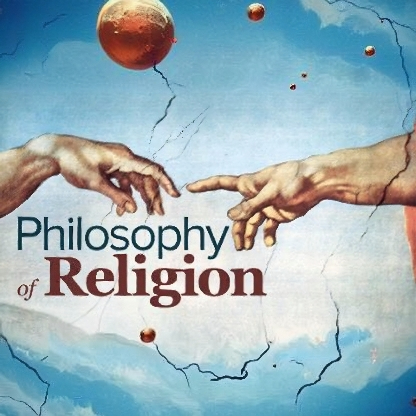
Philosophy of Religion
Original price was: $54.99.$14.99Current price is: $14.99.
Join an esteemed professor of philosophy in exploring the question of divine existence by using the tools of epistemology.
Course Overview
Join an esteemed professor of philosophy in exploring the question of divine existence by using the tools of epistemology.
Can humans know whether the claim “God exists” is true or not? If so, how? If not, why not? These fundamental questions have perplexed humanity since the dawn of consciousness. In these 36 lectures, you can explore divine existence through the lens of epistemology, examining key philosophical ideas regarding what we can know. The course starts with a clear look at the concepts of “philosophy,” “religion,” “God,” and “knowledge.” It covers major arguments for the existence of God, including the ontological, cosmological, and teleological arguments, while also addressing the problem of evil and the responses from various religious traditions. Professor Hall skillfully brings philosophy to life, avoiding needless abstraction and using relatable cultural references.
Course Videos
- What is Philosophy?
Examine philosophy as a practical matter, dispelling misconceptions and outlining subjects and methods of inquiry.
Duration: 33 min
- What is Religion?
Narrow the definition of religion for this course to “ethical monotheism,” exploring key features of Islam, Christianity, and Judaism.
Duration: 31 min
- What is Philosophy of Religion?
Define the philosophy of religion and identify how philosophical analysis can be applied to religious belief and practice.
Duration: 31 min
- How is the Word “God” Generally Used?
Explore the implications of the claim that there is or are one or more gods by examining the use of the term “God.”
Duration: 31 min
- How Do Various Theists Use the Word “God”?
Focus on the context of ethical monotheism, analyzing presuppositions and implications embedded in this use.
Duration: 30 min
- What is Knowledge?
Discuss what can be known in religious contexts, examining concepts of belief and the traditional understanding of knowledge as “justified true belief.”
Duration: 30 min
- What Kinds of Evidence Count?
Discover the types of evidence that distinguish belief from knowledge and understand their effectiveness in various contexts.
Duration: 30 min
- What Constitutes Good Evidence?
Identify the characteristics of effective evidence that encourages belief and promotes solid knowledge.
Duration: 30 min
- Why Argue for the Existence of God?
Introduce cosmological, teleological, and ontological arguments, and discuss their roles in explaining everyday events.
Duration: 31 min
- How Ontological Argument Works
Analyze arguments for divine existence based on the concept of God, featuring insights from St. Anselm and Descartes.
*Duration: 30 min*
- Why Ontological Argument is Said to Fail
Examine the critique of a priori arguments, establishing a groundwork for more effective arguments for God's existence.
*Duration: 30 min*
- How Cosmological Argument Works
Investigate the principle of sufficient reason as a basis for the cosmological argument, using the existence of the world.
*Duration: 30 min*
- Why Cosmological Argument is Said to Fail
Discuss the impact of Ockham's Razor on cosmological arguments and introduce a more refined approach to sufficient reason.
*Duration: 31 min*
- How Teleological Argument Works
Explore the idea of divine design in nature via St. Paul and William Paley, and understand "sufficient reason" arguments.
*Duration: 30 min*
- How Teleological Argument Works (continued)
Discuss how events that appear miraculous can be interpreted as evidence for divine existence.
*Duration: 30 min*
- Why Teleological Argument is Said to Fail
Examine reasons skeptics find the teleological argument deficient, addressing concepts like "explanatory overkill."
*Duration: 30 min*
- Divine Encounters Make Argument Unnecessary
Present claims of direct awareness of God through encounters and the implications for philosophical arguments.
*Duration: 30 min*
- Divine Encounters Require Interpretation
Assess a two-step rebuttal to the claim of direct knowledge of divine existence through encounters.
*Duration: 31 min*
- Why is Evil a Problem?
Analyze the occurrence of evil as a challenge to teleological arguments and as a basis for dysteleological arguments for atheism.
*Duration: 30 min*
- Taking Evil Seriously
Group arguments about evil that suggest the non-existence of God and prepare for rebuttals to these claims.
*Duration: 30 min*
- Non-Justificatory Theodicies
Explore the notion that no justification is required for the existence of evil, examining radical theodicies.
*Duration: 31 min*
- Justifying Evil
Discuss theodicies that justify the existence of evil by claiming necessity for the fulfillment of a greater good.
*Duration: 30 min*
- Justifying Natural Evil
Investigate theodicies that respond to natural evils and their implications for the existence of an all-powerful designer.
*Duration: 30 min*
- Justifying Human Evil
Assess the theodicy that claims the possibility of human evil is necessary for human freedom and autonomy.
*Duration: 30 min*
- Evidence is Irrelevant to Faith
Question whether faith transcends evidence and arguments, exploring various approaches to this line of thought.
*Duration: 31 min*
- Groundless Faith is Irrelevant to Life
Discuss the relationship between relevance and the truth value of claims and its implications for the course.
*Duration: 30 min*
- God is Beyond Human Grasp, But That’s O.K.
Explore notions of transcendence and their implications for understanding divine existence.
*Duration: 30 min*
- Transcendental Talk is “Sound and Fury”
Analyze the verificationist contention that talk of God is vacuous and its implications for religious discourse.
*Duration: 31 min*
- Discourse in an Intentionalist Paradigm
Introduce the idea of paradigms and compare the intentionality in ethical monotheism and natural science.
*Duration: 30 min*
- Evaluating Paradigms
Assess the criteria for evaluating paradigms and how they apply to real-world examples.
*Duration: 30 min*
- Choosing and Changing Paradigms
Investigate whether paradigms can be chosen, emphasizing its relevance to intentionality.
*Duration: 30 min*
- Language Games and Theistic Discourse
Explore Wittgenstein's concept of "language games" and its application in theistic discussions.
*Duration: 30 min*
- Fabulation—Theism as Story
Analyze religious discourse as purposeful storytelling, including myths and parables that serve significant functions.
*Duration: 31 min*
- Theistic Stories, Morality, and Culture
Examine the role of religious stories in promoting moral behavior and shaping culture, along with counterarguments.
*Duration: 30 min*
- Stories, Moral Progress, and Culture Reform
Explore the priestly and prophetic aspects of ethical monotheism through the narratives that guide moral conduct.
*Duration: 30 min*
- Conclusions and Signposts
Summarize philosophical reasoning from previous lectures and suggest topics for continued reflection.
*Duration: 31 min*Related products