Skip to content
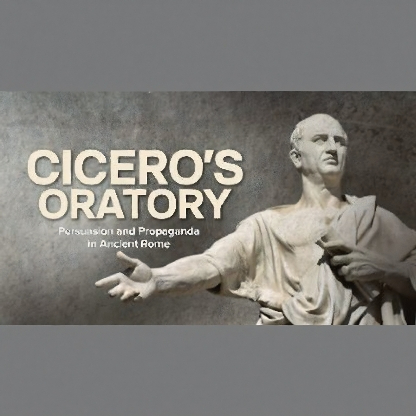
Persuasion and Propaganda in Ancient Rome: Cicero’s Oratory
Original price was: $9.99.$3.99Current price is: $3.99.
This course examines the art and practice of Roman rhetoric through the life, speeches, and political battles of Marcus Tullius Cicero. You’ll explore how Cicero shaped public opinion, prosecuted and defended high‑profile cases, deployed rhetorical devices and delivery, and used oratory as a tool of political propaganda in the late Roman Republic. Close readings of key speeches illuminate techniques of argument, character attack, audience management, and the relationship between speech and power.
Course Overview
This course examines the art and practice of Roman rhetoric through the life, speeches, and political battles of Marcus Tullius Cicero. You’ll explore how Cicero shaped public opinion, prosecuted and defended high‑profile cases, deployed rhetorical devices and delivery, and used oratory as a tool of political propaganda in the late Roman Republic. Close readings of key speeches illuminate techniques of argument, character attack, audience management, and the relationship between speech and power.
What you’ll learn
- The structure and aims of classical rhetorical training (inventio, dispositio, elocutio, memoria, actio)
- Cicero’s major courtroom and political speeches and the historical context that framed them
- Techniques of persuasion and propaganda: ethos, pathos, logos, tropes, invective, and forensic rhetoric
- How delivery (voice, gesture, timing) and audience dynamics influence persuasion
- The legacy of Cicero’s oratory for later political discourse, law, and media
Video Lessons
Video Lessons
01: Persuasion and Propaganda in Ancient Rome: Cicero’s Oratory (37 min)
Meet Cicero—his biography, career as advocate and statesman, and the political context that made oratory decisive; overview of course aims and key rhetorical concepts.
Related products