 Skip to content
Origins of the Human Mind
Original price was: $29.99.$6.99Current price is: $6.99.
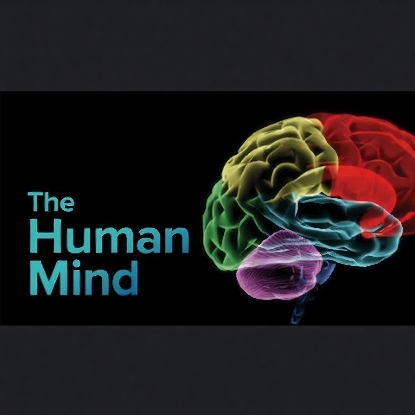
An authoritative guide to the latest information and viewpoints on what neurobiologists, psychologists, and other scientists know about the human mind, brought to you by an award-winning professor with training as a clinical psychologist. For thousands of years, the human mind has been shrouded in mystery. But with the latest advancements in both our understanding of the brain and the technology we use to look inside it, scientists have vastly improved their grasp of the human mind.
Course Overview
An authoritative guide to the latest information and viewpoints on what neurobiologists, psychologists, and other scientists know about the human mind, brought to you by an award-winning professor with training as a clinical psychologist. For thousands of years, the human mind has been shrouded in mystery. But with the latest advancements in both our understanding of the brain and the technology we use to look inside it, scientists have vastly improved their grasp of the human mind.
Now, more than at any other point in human history, we can better explain and describe how the human mind has evolved; how our genes and environments work together to mold the people we become; and the sources, symptoms, and potential treatment methods for debilitating mental disorders like depression, attention-deficit hyperactivity disorder, autism, and many others.
The human mind and its complexities lie at the heart of who we are as human beings. And grasping its origins, no matter how mysterious they can sometimes be, is essential to a well-rounded understanding of answers to questions that have fascinated and perplexed humanity throughout history. This 24-lecture series is your guide to the latest information and viewpoints on what scientists know about this fascinating subject.
Course Lectures
01: Brains and Minds, Evolution and Development
Professor Hinshaw lays the groundwork for this fascinating journey into the depths of the human mind by introducing the structure of the course, posing a series of provocative questions, and explaining the three predominant perspectives on our minds: the spirit-based, the naturalistic, and the humanistic.
Duration: 32 min
02: How the Human Brain Works
Delve into the make-up and inner workings of the brain, from the level of the individual neuron to the larger regions specialized for the mind’s different functions.
Duration: 33 min
03: Development of the Human Brain
This lecture examines the ways in which our brains develop across the human lifespan. Professor Hinshaw uses a case study of children adopted from horribly deprived Romanian orphanages to focus on brain plasticity.
Duration: 29 min
04: Evolution and the Brain
How did evolutionary forces shape our brains? Discover the answer to this core question in modern science with a look at some of the key features of the human mind produced by natural selection.
Duration: 30 min
05: Psychological Views of the Mind
Zero in on two modern psychological theories of the mind that serve as counterpoints to the evolutionary theory: the instinctive and deeply symbolic psychodynamic theory, and social learning theory.
Duration: 32 min
06: Instinct, Learning, and Emotion
Take an in-depth look at instinct and emotion—two inescapable processes of the human mind.
Duration: 30 min
07: Microevolution, Culture, and the Brain
Return to the evolutionary theory and investigate the key concepts and debates regarding the shaping of the human mind.
Duration: 31 min
08: Infancy-Temperament and Attachment
In the first of four lectures on the development of a mind across the human lifespan, examine the first life stage: infancy.
Duration: 29 min
09: Childhood-Stages and Widening Contexts
Turn now to childhood, the second major stage of life during which our personalities and minds develop even further.
Duration: 30 min
10: Adolescence-Rebellion, Identity, and Self
Continue moving up the developmental ladder into adolescence: the crucial period of rebellion, turmoil, and identity formation that prepares us for adult life.
Duration: 32 min
11: Adulthood-Aging, Horizons, and Wisdom
Does getting older predict inevitable declines in how your mind functions? Or could you actually become wiser and more positive as you age?
Duration: 30 min
12: Influences of Sex and Gender
Focus here on the association between sex and gender, on the one hand, and the brain and mind, on the other.
Duration: 30 min
13: Parallels between Development and Evolution
Bring together several core points about individual development of the mind.
Duration: 33 min
14: Myths and Realities of Heritability
With the mapping of the human genome, we now know that many traits and facets of the mind are more heritable than we once thought.
Duration: 30 min
15: Genes and Environments Together
Move from behavior genetics to a detailed view of how genes and environments influence one another to shape our minds.
Duration: 31 min
16: The Abnormal Mind-What Goes Wrong?
Why do some minds suffer mental disorders such as depression, obsessive-compulsive disorder, and bipolar disorder?
Duration: 32 min
17: Rationality, Psychosis, and Schizophrenia
Schizophrenia is intimately involved with breakdowns in perception, rational thinking, and higher-order executive functions.
Duration: 33 min
18: Emotion Regulation and Mood Disorders
The roots of mood disorders lie in the emotional and mood-related fluctuations that we all experience.
Duration: 32 min
19: Attention, Impulse Control, and ADHD
Turn now to a mental disorder that can affect the way the mind stays attentive and controls inhibitions: attention-deficit hyperactivity disorder.
Duration: 30 min
20: Empathy, Social Connections, and Autism
Major difficulties in emotional and social connections with other people present huge problems for the development of the mind.
Duration: 32 min
21: Evolution and the Paradox of Mental Illness
If mental disorders are passed through the generations by genes, then why haven’t these disabling conditions simply been bred out of existence?
Duration: 30 min
22: Roots of Religion, Aggression, and Prejudice
Investigate how evolution helps us understand these three wider aspects of human culture.
Duration: 31 min
23: Bringing in Personal Narratives
Personal narratives can play key roles in humanizing and helping us better understand the complexities of mental illness.
Duration: 30 min
24: The Future of the Human Mind
In this final lecture, probe some of the fascinating possibilities and ethical issues at the frontiers of the human mind.
Duration: 33 min
Related products





Courses
