Skip to content
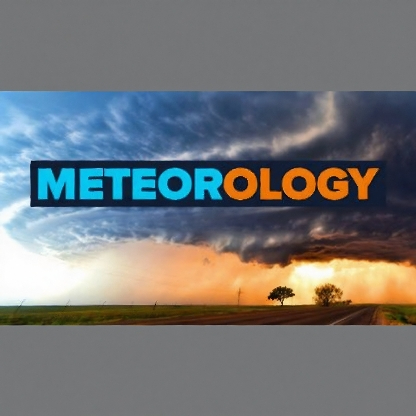
Meteorology: An Introduction to the Wonders of the Weather
Original price was: $49.99.$9.99Current price is: $9.99.
Uncover the science behind the mysterious and dynamic forces that create weather with Professor Robert Fovell. This course blends geography, chemistry, and physics to explain atmospheric phenomena, from daily clouds and winds to dramatic events like tornadoes and hurricanes. You’ll answer questions about rainforests, seasons, and the color of the sky, gaining a comprehensive understanding of how physical laws shape the climate. Engaging demonstrations and real-world examples will give you a new appreciation of the tools meteorologists use to forecast and interpret the ever-changing weather.
Overview — Course No. 1796
Uncover the science behind the mysterious and dynamic forces that create weather with Professor Robert Fovell. This course blends geography, chemistry, and physics to explain atmospheric phenomena, from daily clouds and winds to dramatic events like tornadoes and hurricanes. You’ll answer questions about rainforests, seasons, and the color of the sky, gaining a comprehensive understanding of how physical laws shape the climate. Engaging demonstrations and real-world examples will give you a new appreciation of the tools meteorologists use to forecast and interpret the ever-changing weather.
Video Lessons
01: Nature Abhors Extremes
Explore how weather phenomena like storms and winds emerge as nature’s way to moderate extremes in our world weather system.
Duration: 32 min
02: Temperature, Pressure, and Density
Understand three fundamental weather concepts—temperature, pressure, density—and their connection through the ideal gas law.
Duration: 28 min
03: Atmosphere—Composition and Origin
Examine what air is made of, the temperature behavior of hot and cold air, and the multi-layered structure of Earth’s atmosphere.
Duration: 29 min
04: Radiation and the Greenhouse Effect
Investigate electromagnetic radiation, the greenhouse effect, and how life is made possible by the sun’s energy.
Duration: 30 min
05: Sphericity, Conduction, and Convection
Learn why the Earth experiences temperature differences and seasons through sphericity, conduction, and convection.
Duration: 31 min
06: Sea Breezes and Santa Anas
Uncover how temperature and pressure drive coastal winds and study the powerful Santa Ana winds of California.
Duration: 28 min
07: An Introduction to Atmospheric Moisture
Discover the role of water vapor, temperature, and the atmosphere’s capacity to hold moisture, influencing global weather.
Duration: 31 min
08: Bringing Air to Saturation
Explore dew formation, high-altitude cooking, and what happens when air becomes fully saturated with water vapor.
Duration: 32 min
09: Clouds, Stability, and Buoyancy, Part 1
Delve into cloud formation, types, shapes, and the atmospheric conditions leading to their presence.
Duration: 32 min
10: Clouds, Stability, and Buoyancy, Part 2
Continue exploring clouds and examine precipitation patterns, climate distinctions, and why deserts form behind mountains.
Duration: 33 min
11: Whence and Whither the Wind, Part 1
Investigate how pressure, temperature, and planetary rotation cause winds and direct their movement globally.
Duration: 31 min
12: Whence and Whither the Wind, Part 2
Understand the effects of friction and centripetal force, and how they shape wind strength and direction worldwide.
Duration: 29 min
13: The Global Atmospheric Circulation
Trace the global flow of winds using models of air circulation, revealing temperature and weather patterns from pole to equator.
Duration: 31 min
14: Fronts and Extratropical Cyclones
Study the formation and lifecycle of powerful extratropical cyclones, generated when air masses collide.
Duration: 30 min
15: Middle Troposphere—Troughs and Ridges
Analyze troughs and ridges within the middle troposphere and how they influence high and low-pressure weather patterns.
Duration: 31 min
16: Wind Shear—Horizontal and Vertical
Take a 3D look at wind, discovering what causes wind shear and how it affects weather systems.
Duration: 28 min
17: Mountain Influences on the Atmosphere
Understand the far-reaching impact mountains have on atmospheric conditions and wind patterns.
Duration: 31 min
18: Thunderstorms, Squall Lines, and Radar
Examine the formation of summer storms and learn how radar is used to study and predict them.
Duration: 31 min
19: Supercells, Tornadoes, and Dry Lines
Dive into the world of supercell thunderstorms and tornadoes, exploring their causes and deadly effects.
Duration: 29 min
20: Ocean Influences on Weather and Climate
Discover how ocean currents and energy transfer influence global weather, forming complex climate feedback loops.
Duration: 33 min
21: Tropical Cyclones
Explore the anatomy and required conditions for tropical cyclones—hurricanes and typhoons.
Duration: 33 min
22: Light and Lightning
Bring together knowledge of air, radiation, and water cycles to unravel the beauty of light and lightning phenomena.
Duration: 32 min
23: Prediction and Predictability
See how meteorologists utilize advanced models to predict the weather, and understand the inherent limitations of forecasting.
Duration: 31 min
24: The Imperfect Forecast
Reflect on the enduring complexities of weather prediction and meteorology’s ongoing mysteries using events like Hurricane Rita.
Duration: 33 min
Related products


Courses