Skip to content
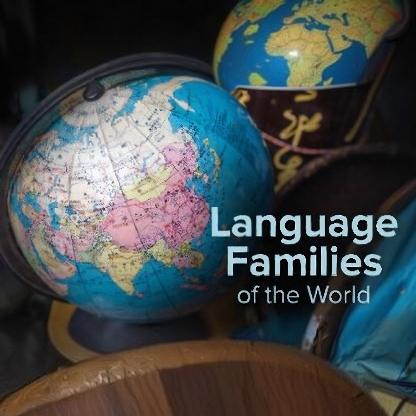
Language Families of the World
Original price was: $69.99.$22.99Current price is: $22.99.
Join Professor John McWhorter on a global linguistic journey to uncover the origins and evolution of language families. From Indo-European to the click languages of Africa, explore how languages have branched and changed over time, revealing insights into human migration and cultural development.
Overview
Course No. 2235
Join Professor John McWhorter on a global linguistic journey to uncover the origins and evolution of language families. From Indo-European to the click languages of Africa, explore how languages have branched and changed over time, revealing insights into human migration and cultural development.
Video Lesson List
1. Why Are There So Many Languages?
Discover the origins of language diversity and the concept of language families.
30 min
2. The First Family Discovered: Indo-European
Examine the Indo-European family, including Latin, English, and Sanskrit, and its historical significance.
28 min
3. Indo-European Languages in Europe
Dive into the European branches of Indo-European, including Germanic, Romance, and Celtic languages.
29 min
4. Indo-European Languages in Asia
Explore the Indo-European languages that spread into Asia, such as those in India, and their unique characteristics.
28 min
5. The Click Languages
Investigate the Khoisan languages of southern Africa, known for their click sounds, and their classification challenges.
26 min
6. Niger-Congo: Largest Family in Africa I
Begin exploring the vast Niger-Congo family, focusing on its unique linguistic features.
29 min
7. Niger-Congo: Largest Family in Africa II
Continue your study of Niger-Congo with a deeper look at its languages and their cultural significance.
28 min
8. Languages of the Fertile Crescent and Beyond
Understand the Afro-Asiatic family, including Semitic languages like Arabic and Hebrew, and their historical roots.
26 min
9. Is the Indo-European Family Alone in Europe?
Meet the Uralic family, including Finnish and Hungarian, and see how they differ from Indo-European languages.
27 min
10. What Is a Caucasian Language?
Explore the complex and diverse Caucasian languages and the debate over their familial classification.
26 min
11. Indian Languages That Aren’t Indo-European
Focus on the Dravidian languages of southern India, their unique features, and cultural context.
27 min
12. How to Identify a Language Family
Learn how linguists establish language connections and delve into Polynesian languages.
29 min
13. What Is a Caucasian Language?
Investigate the Caucasian languages and their grammatical complexities.
26 min
14. Japanese and Korean: Alike Yet Unrelated
Compare Japanese and Korean, discussing their unique features and writing systems.
29 min
15. The Languages We Call Chinese
Understand the diversity within Chinese languages and their shared writing system.
29 min
16. Chinese’s Family Circle: Sino-Tibetan
Explore the Sino-Tibetan family, including Tibeto-Burman languages and their origins.
28 min
17. Languages of the South Seas I
Begin your study of Austronesian languages, one of the world’s largest language families.
26 min
18. Languages of the South Seas II
Continue examining Austronesian languages, including their spread and unique characteristics.
27 min
19. Siberia and Beyond: Language Isolates
Discover language isolates in Siberia, Spain, and Japan, and understand their unique origins.
33 min
20. Creole Languages
Learn about the formation and characteristics of creole languages.
29 min
21. Why Are There So Many Languages in New Guinea?
Explore the linguistic richness of New Guinea and the factors contributing to its language diversity.
25 min
22. The Languages of Australia I
Investigate the original languages of Australia and their current endangered status.
25 min
23. The Languages of Australia II
Continue your study of Australian languages, including their unique grammatical features.
29 min
24. The Original American Languages I
Discover the diverse language families of North America before English dominance.
30 min
25. The Original American Languages II
Examine specific North American languages and their unique traits.
26 min
26. The Original American Languages III
Explore Central and South American languages and their complex developments.
28 min
27. The Original American Languages IV
Look at the southern migration of Native American languages and their unique features.
29 min
28. Languages Caught between Families
Understand hybrid languages and the blurred lines between language families.
28 min
29. How Far Back Can We Trace Languages?
Consider the challenges and theories of tracing language origins over millennia.
28 min
30. What Do Genes Say about Language Families?
Explore the connection between genetics and language, and the insights DNA provides into language origins.
30 min
31. Language Families and Writing Systems
Understand the relationship between language families and their writing systems, and the cultural importance of language preservation.
32 min
Related products





Courses