Skip to content
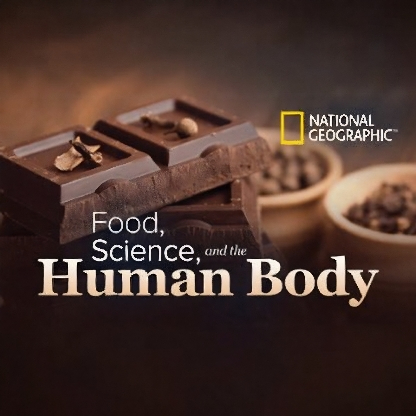
Food, Science, and the Human Body
Original price was: $69.99.$14.99Current price is: $14.99.
Join an award-winning anthropologist for an exploration of the evolution of the human diet and its relationship to our bodies. What foods did the human body evolve to eat, and why? How does the food we consume affect our genes and our minds? This course addresses questions about optimal nutrition and the potential of science to end world hunger.
Course Overview
Join an award-winning anthropologist for an exploration of the evolution of the human diet and its relationship to our bodies. What foods did the human body evolve to eat, and why? How does the food we consume affect our genes and our minds? This course addresses questions about optimal nutrition and the potential of science to end world hunger.
In these 36 lectures, you’ll gain eye-opening answers to these and other perplexing questions, bringing together insights from history, anthropology, nutrition, economics, biology, and sociology. This course, a partnership between The Great Courses and National Geographic, reveals what science can teach us about food through a global lens.
Course Lessons
1. Paleo Diets and the Ancestral Appetite
Do we have an ancestral appetite? Uncover how the Paleo diet compares to what our ancestors ate and learn about the evolution of nutrition.
Duration: 31 min
2. Our Hunter-Gatherer Past
Explore insights into how hunter-gatherer societies shaped human nutrition using research from Africa’s last foraging populations.
Duration: 31 min
3. Stones, Bones, and Teeth
Examine fossils to learn about ancestral diets, revealing clues from stone artifacts, human bones, and early dentition.
Duration: 29 min
4. Did Eating Meat Make Us Human?
Trace the history of meat consumption in human evolution and explore its nutritional benefits and dangers.
Duration: 28 min
5. Insects: The Other White Meat
Discover the role of edible insects in diets around the world and the nutritional advantages they provide.
Duration: 29 min
6. Was the Stone Age Menu Mostly Vegetarian?
Investigate the importance of plant foods in our diet, focusing on plant microfossils and storage organs.
Duration: 29 min
7. Cooking and the Control of Fire
Learn about the origins of cooking with fire and its impact on human evolution and diet.
Duration: 29 min
8. The Neolithic Revolution
Understand the shift to domestication and how it permanently changed human diet, population growth, and disease vectors.
Duration: 30 min
9. The Changing Disease-Scape
Explore the rise of zoonotic diseases resulting from the Neolithic revolution and their implications on health.
Duration: 29 min
10. How Foods Spread around the World
Analyze the process of delocalization in food production and consumption by examining various case studies.
Duration: 30 min
11. The History of the Spice Trade
Investigate how spices influenced history and shaped economies, as well as their roles in creating and destroying empires.
Duration: 29 min
12. How Sugar and Salt Shaped World History
Learn about the roles of sugar and salt in food production, global health, and their historical impacts.
Duration: 29 min
13. A Brief History of Bread
Examine the significance of bread in human diets, its cultural roles, and the artisanal bread movement.
Duration: 28 min
14. The Science and Secrets of Chocolate
Follow the history of chocolate and its global market impact while exploring its chemical properties.
Duration: 30 min
15. Water: The Liquid of Life
Discover the importance of water, its consumption rates, and its controversies, including bottled water.
Duration: 30 min
16. Beer, Mead, and the Fun of Fermentation
Explore the history of fermentation and its cultural significance, along with ancient and modern practices.
Duration: 30 min
17. Humanity’s Love of Wine
Dive into the production and culture surrounding wine, including the science and technology of viticulture.
Duration: 30 min
18. Coffee: Love or Addiction?
Reconsider coffee’s role in history and its effects on the body while exploring its production and cultural impact.
Duration: 29 min
19. The Roots of Tea
Investigate the origins of tea, its varieties, and its journey from Asia to Europe, including health benefits.
Duration: 28 min
20. The Fizz on Soda
Analyze the history and health consequences of soda consumption, tracing its evolution from medicine to dietary risk.
Duration: 30 min
21. Food as Ritual
Explore the symbolic nature of food through cultural rituals globally, including significant traditions and celebrations.
Duration: 28 min
22. When People Eat Things That Aren’t Food
Delve into unusual dietary practices and the psychology behind consuming non-traditional food items.
Duration: 29 min
23. Food as Recreational Drugs
Examine the psychological effects of certain foods and their cultural usage as recreational substances.
Duration: 32 min
24. Food as Medicine
Consider the link between diet and disease prevention, learning about medicinal properties of common foods.
Duration: 31 min
25. The Coevolution of Genes and Diet
Understand how human evolution has influenced dietary practices and metabolic adaptations over time.
Duration: 30 min
26. The Scoop on Poop
Learn about the science of excrement, its historical significance, and the role of gut bacteria in digestion.
Duration: 31 min
27. The Gut Microbiome
Discover the vital role of gut bacteria in nutrition, metabolism, and disease resistance.
Duration: 30 min
28. Brain Food
Investigate the links between diet, brain function, and the impact of various foods on cognitive health.
Duration: 29 min
29. You Are What Your Mother Ate
Examine how prenatal nutrition influences adult health and consider historical cases of famine-related studies.
Duration: 29 min
30. Civilization: Diets and Diseases
Explore transitions in human health, including the rise of chronic diseases and the threat of drug-resistant infections.
Duration: 31 min
31. What the World Is Eating
Take a tour of diverse global cuisines that are recognized as part of our cultural heritage.
Duration: 25 min
32. The Overnutrition Epidemic
Understand the causes of global obesity and its correlation with dietary changes and physical activity.
Duration: 29 min
33. World Poverty and Undernutrition
Gain insights into the issue of global hunger and explore strategies for combating undernutrition.
Duration: 31 min
34. Should the World Eat Meat?
Debate the sustainability of meat production and its health implications.
Duration: 33 min
35. Should We Be Powered by Plants?
Examine the benefits of plant-based diets and discuss the controversies surrounding organic foods and GMOs.
Duration: 32 min
36. The Future of Food
Conclude the course with a look at innovative food systems that can sustain a growing population and resource challenges.
Duration: 36 min
Related products


Courses

Courses