Skip to content
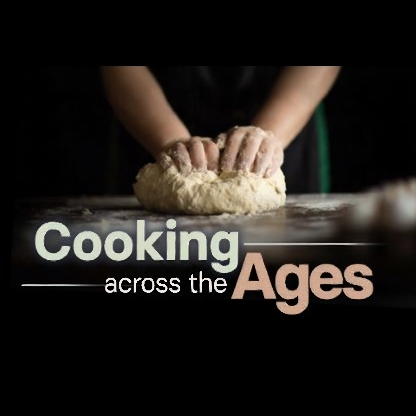
Cooking Across the Ages
Original price was: $49.99.$8.99Current price is: $8.99.
Explore unique and historical dishes throughout time with award-winning Professor Ken Albala. Discover how cooking mirrors culture and societal values.
Overview
Explore unique and historical dishes throughout time with award-winning Professor Ken Albala. Discover how cooking mirrors culture and societal values.
If you cook from recipes today, you’ll encounter clearly listed ingredients and precise measurements. But what was cooking like before the internet, standardized measurements, and cookbooks? In Cooking Across the Ages, Professor Albala takes you on an international journey through food history, uncovering the flavors and techniques of ancient and modern civilizations. Learn about the cooks of the past and experience culinary diversity through engaging lectures and hands-on cooking.
Course Outline
- Understanding Culture through Cooking
- Duration: 25 min
- Learn how cookbooks reveal cultural differences by comparing two chicken recipes from different eras.
- Ancient Rome: Cooking with Apicius
- Duration: 39 min
- Explore recipes from the oldest complete recipe book in the Western tradition and create familiar dishes like sala cattabia.
- Imperial China: Soybeans and Dumplings
- Duration: 32 min
- Examine techniques from the Wei dynasty and follow a recipe for fermented black bean dishes.
- Medieval Egypt: Chickpeas and Phyllo Dough
- Duration: 26 min
- Make Byzantine recipes and enjoy creating flaky phyllo dough like your grandmother did.
- Feast like a Viking with Meat and Beer
- Duration: 27 min
- Discover the oldest-known cookbook in Medieval Europe and make a unique “hunter-style” fish pie.
- Medieval France’s Touch for Sugar and Spice
- Duration: 41 min
- Dive into Guillaume Tirel’s classic recipes and create lavish dishes fit for nobility.
- Renaissance Italy’s Sweets and Pasta
- Duration: 28 min
- Learn about the earliest printed cookbook and make blancmanger and pasta by feel.
- Crafting Aphrodisiacs from the Renaissance
- Duration: 31 min
- Explore recipes from Domenico Romoli that combine food and medicine.
- Aztec Tortillas and Chocolate
- Duration: 37 min
- Master the art of Aztec drinking chocolate and turkey tamales.
- Papal Rome: Meat Rolls and Eggplant
- Duration: 41 min
- Cook dishes from Bartolomeo Scappi’s 1570 cookbook, which instructed cooks in fine dining.
- Dining with Don Quixote in Imperial Spain
- Duration: 20 min
- Cook the olla podrida, a pot of many flavors popular across Europe.
- Portugal and Japan: Cakes and Katsuobushi
- Duration: 26 min
- Discover culinary exchanges between Portugal and Japan, including dried fish flakes.
- Vegetarian India: Jackfruit and Rice
- Duration: 39 min
- Learn to cook traditional Jain recipes using local ingredients.
- The Birth of French Haute Cuisine
- Duration: 36 min
- Craft rich dishes inspired by Francois Pierre de La Varenne’s innovations.
- Post-Puritan England: Hippocras and Cookies
- Duration: 29 min
- Explore recipes from Lettice Pudsey’s manuscript, including spiced wine.
- China’s Last Dynasty: Elegant Simplicity
- Duration: 32 min
- Cook simple yet delicious recipes from the poet Yuan Mei.
- Early America: Johnnycake and Pumpkin
- Duration: 39 min
- Sample early American recipes from Amelia Simmons, the first American cookbook author.
- The French Canadian Tourtière Meat Pie
- Duration: 28 min
- Explore meat pies from the first Canadian cookbook published in 1840.
- Victorian Working-Class Meals
- Duration: 36 min
- Investigate recipes designed for the working class and learn about Alexis Soyer’s initiatives.
- Imperial Germany’s Cabbage and Sauerbraten
- Duration: 37 min
- Cook traditional dishes using recipes from Henriette Davidis’s popular cookbook.
- Imperial Russia’s Piroshki and Coulibiac
- Duration: 38 min
- Learn to make pirozhki and the famous Russian salad.
- Brazil and West Africa: Black Bean Stew
- Duration: 34 min
- Discover the rich flavors of Brazilian cuisine with indigenous and African influences.
- America’s Can-Opener Cookbook
- Duration: 29 min
- Explore mid-century convenience foods and make quick recipes from the Can-Opener Cookbook.
- The Foodie Era: Cooking with the World
- Duration: 40 min
- Discover the rise of cooking as an art through popular cooking shows in the 1980s.
Related products



Courses