Skip to content
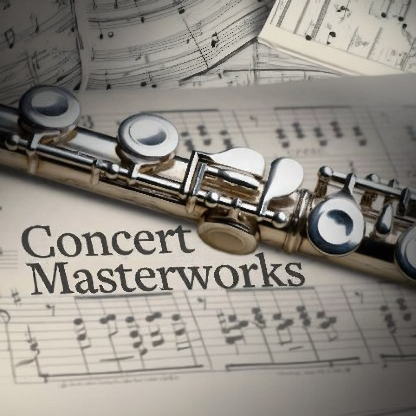
Concert Masterworks
Original price was: $69.99.$25.99Current price is: $25.99.
Gain a new level of listening sophistication as you learn to open your ears to a composer’s creative intentions.
Concert Masterworks
Gain a new level of listening sophistication as you learn to open your ears to a composer’s creative intentions.
Overview
Course No. 710
What happens in a composer’s mind when creating masterpieces like Mozart’s concertos or Beethoven’s symphonies? This 32-lecture series reveals the creative processes behind history’s greatest musical works, helping you develop deeper listening skills—no technical training required.
Professor Greenberg, a professional composer, guides you through:
- The structure and narrative of iconic works by Mozart, Beethoven, Dvořák, Strauss, Brahms, and more
- How societal and artistic contexts shaped each composition
- The “agonizing creative blur” vs. “pure inspiration” debate in classical composition
Featured Composers:
Mozart • Beethoven • Dvořák • Strauss • Brahms • Mendelssohn • Liszt
Video Lectures
Mozart’s Piano Concerto No. 25 in C Major
01: Movement I (48 min)
02: Movement II (48 min)
03: Movement III (46 min)
04: Movement IV (47 min)
Beethoven’s “Emperor” Concerto No. 5
05: Movement I (47 min)
06: Movement II (47 min)
07: Movement III (46 min)
08: Movement IV (47 min)
Dvořák’s “New World” Symphony
09: Movement I (44 min)
10: Movement II (48 min)
11: Movement III (46 min)
12: Movement IV (47 min)
Strauss’s Death and Transfiguration
13: Part I (47 min)
14: Part II (47 min)
15: Part III (46 min)
16: Part IV (47 min)
Beethoven’s Violin Concerto
17: Movement I (44 min)
18: Movement II (47 min)
19: Movement III (47 min)
20: Movement IV (47 min)
Brahms’s Violin Concerto
21: Movement I (46 min)
22: Movement II (46 min)
23: Movement III (47 min)
24: Movement IV (46 min)
Mendelssohn’s A Midsummer Night’s Dream
25: Incidental Music I (47 min)
26: Incidental Music II (42 min)
27: Overture I (44 min)
28: Overture II (44 min)
Liszt’s Totentanz
29: Part I (47 min)
30: Part II (46 min)
31: Part III (45 min)
32: Part IV (46 min)
Related products




Courses