Skip to content
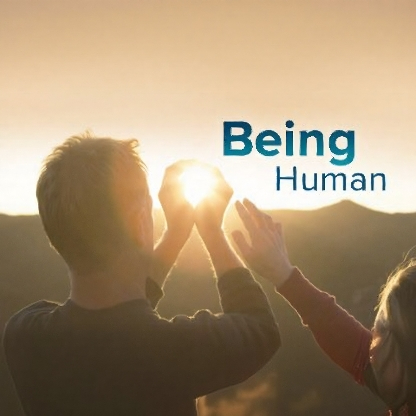
Being Human: Life Lessons from the Frontiers of Science
Original price was: $29.99.$7.99Current price is: $7.99.
Understanding our humanity—the essence of who we are—is one of the deepest mysteries and biggest challenges in modern science. Why do we have bad moods? Why do we dream strangely? How do metaphors shape our actions? Through evolutionary biology, neuroscience, and anthropology, we uncover the fascinating quirks that make us unique. Join acclaimed neurobiologist and MacArthur “genius grant” recipient Professor Sapolsky in 12 thought-provoking lectures exploring the science behind human behavior, from stress to nostalgia, dreams to metaphors.
Being Human: Life Lessons from the Frontiers of Science
Overview
Course No. 1686
Understanding our humanity—the essence of who we are—is one of the deepest mysteries and biggest challenges in modern science. Why do we have bad moods? Why do we dream strangely? How do metaphors shape our actions? Through evolutionary biology, neuroscience, and anthropology, we uncover the fascinating quirks that make us unique. Join acclaimed neurobiologist and MacArthur “genius grant” recipient Professor Sapolsky in 12 thought-provoking lectures exploring the science behind human behavior, from stress to nostalgia, dreams to metaphors.
Video Lectures
01: What’s So Special about Being Human? (29 min)
Humans are evolutionarily unique, yet share behaviors with animals. Discover what truly sets us apart.
02: Junk-Food Monkeys (29 min)
What happens when baboons eat like humans? A study on diet, health, and surprising benefits.
03: The Burden of Being Burden-Free (30 min)
The science of stress: its damage, origins, and why we can’t escape it.
04: Bugs in the Brain (30 min)
How parasites like rabies and toxoplasmosis rewire brains—even in humans.
05: Poverty’s Remains (28 min)
A historical case of how poverty’s impact on health led to deadly medical misconceptions.
06: Why Are Dreams Dreamlike? (28 min)
The neurology of dreams: why your frontal cortex unleashes bizarre imagery.
07: The Pleasures and Pains of “Maybe” (27 min)
Dopamine isn’t about pleasure—it’s about anticipation. Explore the neuroscience of delayed gratification.
08: How the Other Half Heals (31 min)
Health and socioeconomic status: why poverty harms, and why polio once favored the wealthy.
09: Why We Want the Bodies Back (28 min)
Cultural rituals around death—from Alaska to Sudan—reveal our deep connection to remains.
10: Anatomy of a Bad Mood (31 min)
The science of emotions, facial feedback, and rethinking tense arguments.
11: This Is Your Brain on Metaphors (32 min)
How metaphors reshape opinions, trigger disgust, and influence politics.
12: Sushi and Middle Age (33 min)
The neurobiology of nostalgia: why we prefer the familiar as we age.
Related products



Courses