 Skip to content
Jan
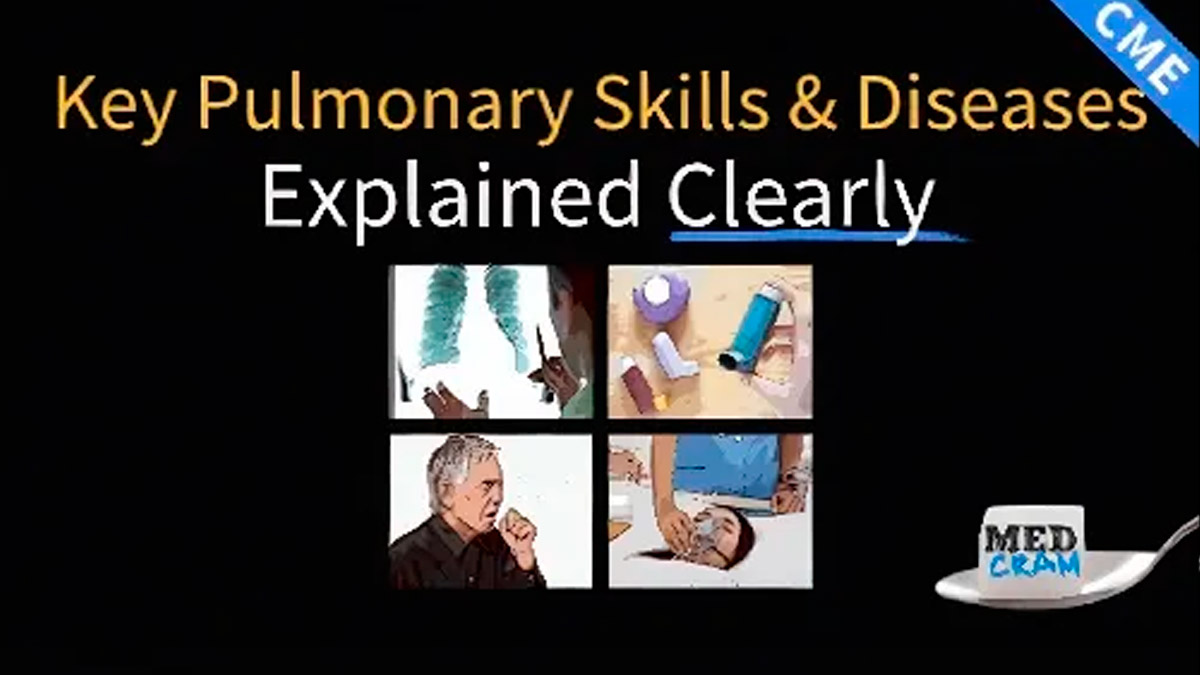
Key Pulmonary Skills and Diseases Explained Clearly
The lungs are essential organs that play a critical role in our respiratory system, allowing us to breathe and providing oxygen to our bodies. Understanding pulmonary health is vital for recognizing and managing various respiratory diseases. In this article, we will delve into key pulmonary skills, common diseases, and their implications for overall health.
Anatomy of the Lungs
The lungs are located in the thoracic cavity, protected by the rib cage. They consist of lobes—three in the right lung and two in the left lung. The primary function of the lungs is gas exchange, where oxygen is absorbed into the bloodstream, and carbon dioxide is expelled.
Key Pulmonary Skills
- Auscultation: Listening to lung sounds is crucial for diagnosing respiratory conditions. Abnormal sounds, such as wheezing or crackles, can indicate underlying issues like asthma or pneumonia.
- Spirometry: This test measures lung function by assessing how much air you can inhale and exhale. It helps diagnose conditions like chronic obstructive pulmonary disease (COPD) and asthma.
- Pulse Oximetry: A non-invasive method to measure oxygen saturation in the blood. It’s essential for monitoring patients with respiratory diseases to ensure they are receiving adequate oxygen.
- Chest X-rays: Imaging studies help visualize the lungs and identify abnormalities such as infections, tumors, or fluid accumulation.
Common Pulmonary Diseases
Understanding common pulmonary diseases is crucial for early detection and management:
- Asthma: A chronic condition characterized by inflammation and narrowing of the airways, leading to difficulty breathing, wheezing, and coughing. It can be triggered by allergens, exercise, or respiratory infections.
- Chronic Obstructive Pulmonary Disease (COPD): A progressive disease that includes emphysema and chronic bronchitis. It is primarily caused by long-term exposure to irritants like tobacco smoke, leading to airflow limitation and breathing difficulties.
- Pneumonia: An infection that inflames the air sacs in one or both lungs, which may fill with fluid or pus. Symptoms include cough, fever, and difficulty breathing. It can be caused by bacteria, viruses, or fungi.
- Pulmonary Fibrosis: A condition characterized by scarring of lung tissue, which can lead to severe breathing difficulties. The cause is often unknown, but it can result from long-term exposure to certain toxins or medical conditions.
Conclusion
Understanding pulmonary health is essential for recognizing the signs and symptoms of respiratory diseases. By mastering key pulmonary skills and being aware of common conditions, individuals can take proactive steps toward maintaining their lung health. For a deeper dive into pulmonary skills and diseases, explore MedCram’s course, “Key Pulmonary Skills & Diseases Explained Clearly.”
