 Skip to content
Dec
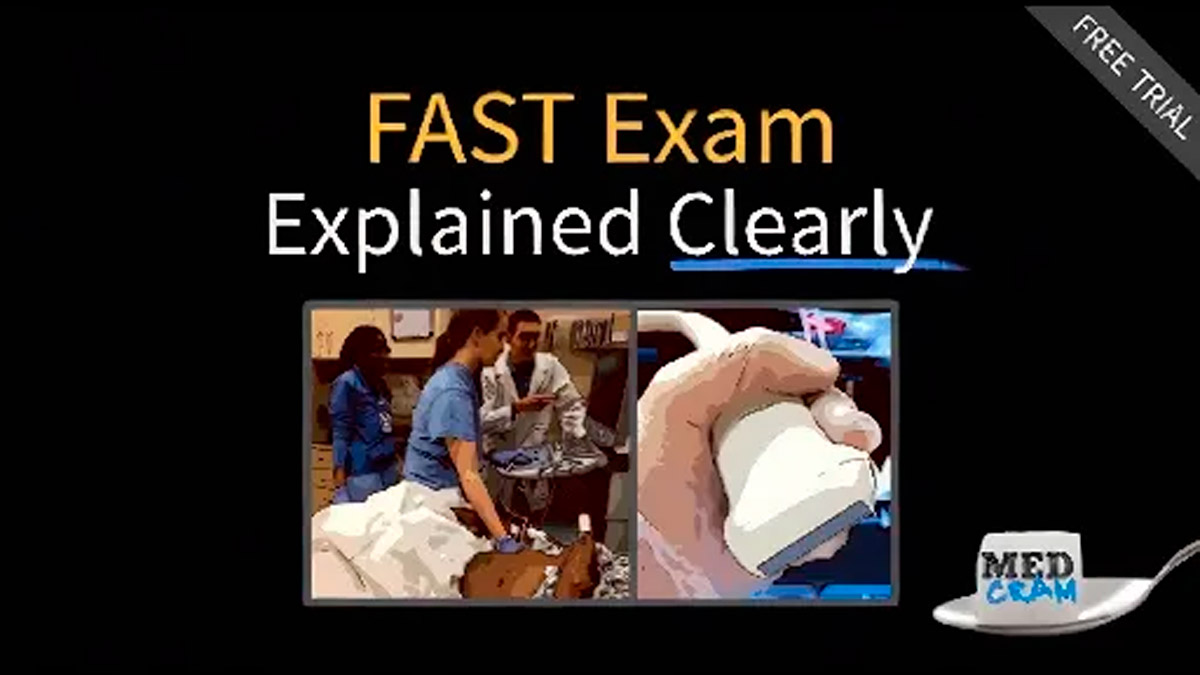
The Extended Focused Assessment with Sonography for Trauma (E-FAST) exam is a vital tool in emergency medicine, designed to quickly assess patients for internal injuries, particularly in trauma cases. This article aims to provide a clear understanding of the E-FAST exam, its indications, procedure, and significance in clinical practice.
What is the E-FAST Exam?
The E-FAST exam is an ultrasound-based assessment that extends the traditional Focused Assessment with Sonography for Trauma (FAST) exam. While the standard FAST exam primarily evaluates for free fluid in the abdominal cavity, the E-FAST also assesses for pneumothorax (air in the pleural space) and hemothorax (blood in the pleural space). This makes it an essential tool for rapid evaluation in trauma situations.
Indications for the E-FAST Exam
The E-FAST exam is particularly useful in the following scenarios:
- Trauma Patients: Especially those with blunt or penetrating injuries.
- Respiratory Distress: Patients presenting with difficulty breathing, where pneumothorax is a concern.
- Shock: Patients in shock may require rapid assessment for internal bleeding.
Procedure of the E-FAST Exam
The E-FAST exam typically involves the following steps:
- Patient Positioning: The patient is usually placed in a supine position for optimal access.
- Ultrasound Probe Placement: The exam focuses on several key areas:
- Abdominal Views: Including the right upper quadrant (Morison’s pouch), left upper quadrant, and pelvis to assess for free fluid.
- Thoracic Views: The anterior chest wall is examined to identify pneumothorax or hemothorax.
- Image Interpretation: Clinicians look for signs of fluid accumulation or air in the pleural space, which can guide immediate management decisions.
Benefits of the E-FAST Exam
The E-FAST exam offers several advantages in emergency settings:
- Rapid Assessment: It can be performed quickly at the bedside, allowing for immediate decision-making.
- Non-Invasive: Unlike other imaging modalities, ultrasound is non-invasive and carries no radiation risk.
- Guides Management: The results can help determine the need for surgical intervention or further imaging.
Conclusion
The E-FAST exam is a crucial component of trauma assessment in emergency medicine. By providing rapid and reliable information about potential internal injuries, it enables healthcare providers to make informed decisions that can significantly impact patient outcomes. MedCram’s course on the E-FAST exam offers in-depth insights and practical knowledge for healthcare professionals looking to enhance their skills in trauma care.
