Skip to content
Emergency Medicine / Critical Care “Survival Course” – Medcram
Original price was: $59.00.$16.00Current price is: $16.00.
THE BEST MEDCRAM CRITICAL CARE/EMERGENCY MEDICINE VIDEOS ACCREDITED FOR 10 NURSING CEs
Whether you are a recent graduate or a seasoned RN, this “survival course” will efficiently get you up to speed on key fundamentals and updates in several important topics including:
Shock and sepsis, DKA, pneumonia, pulmonary embolism, pleural effusion, hyponatremia, hypernatremia, hyperkalemia, mechanical ventilation, LFTs, liver diseases, heart failure, and acute renal failure.
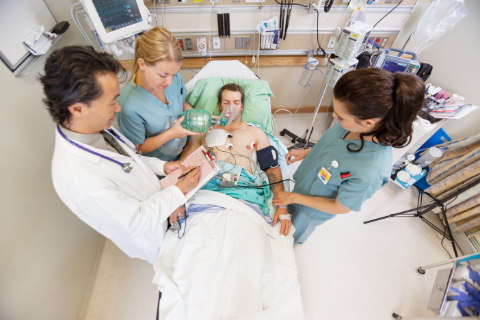
WHO IS THIS COURSE FOR?
Nursing professionals, particularly those working in the emergency department, critical care, and inpatient hospital setting.
COURSE DESCRIPTION
Dr. Roger Seheult examines several of the most common and important problems encountered by nurses in the emergency department, critical care, and inpatient hospital setting. A series of videos (each no longer than 20 minutes) full of illustrations explain key elements and updates for shock and sepsis, DKA, pneumonia, pulmonary embolism, pleural effusion, hyponatremia, hypernatremia, hyperkalemia, mechanical ventilation, LFTs, liver diseases, heart failure, and acute renal failure. Quizzes after each section will test your understanding.

LEARNING OBJECTIVES:
As a result of this course, students will be able to:
- Define the pathophysiology, diagnostic modalities, and key signs of symptoms for the three main types of shock.
- Understand key treatment principles of shock in addition to important monitoring considerations.
- Understand the “why” behind DKA management, monitoring, and treatment principles.
- Define the differences between the major types of pneumonia with regards to presentation, monitoring, and treatment principles.
- Understand the magnitude of pulmonary embolism problems and apply key prevention strategies.
- Identify the major types of pleural effusion and the differences in management.
- Understand the relevant pathophysiology of hyponatremia and hypernatremia to delineate the different types and the optimum monitoring and treatment strategies.
- Define the different causes of hyperkalemia, and understand key treatment and monitoring principles.
- Understand each of the different modes of mechanical ventilation and why each one is used differently.
- Understand essential liver physiology to give context to the liver function tests (LFT) and key monitoring principles.
- Define the key signs and symptoms for diseases specific to the biliary tract.
- Understand how the different types of heart failure differ in their presentation, treatment, and monitoring principles.
- Apply understanding of the underlying pathophysiology of acute renal failure to anticipate sequelae after initial patient treatment.
Related products


By Area




By Area