 Skip to content
Jan
The Liver: A Vital Organ Explained Clearly
The liver is one of the most vital organs in the human body, playing a crucial role in various metabolic processes. Understanding its functions and importance can significantly enhance our knowledge of health and wellness. In this article, we will explore the liver’s anatomy, its primary functions, and common diseases associated with it.
Anatomy of the Liver
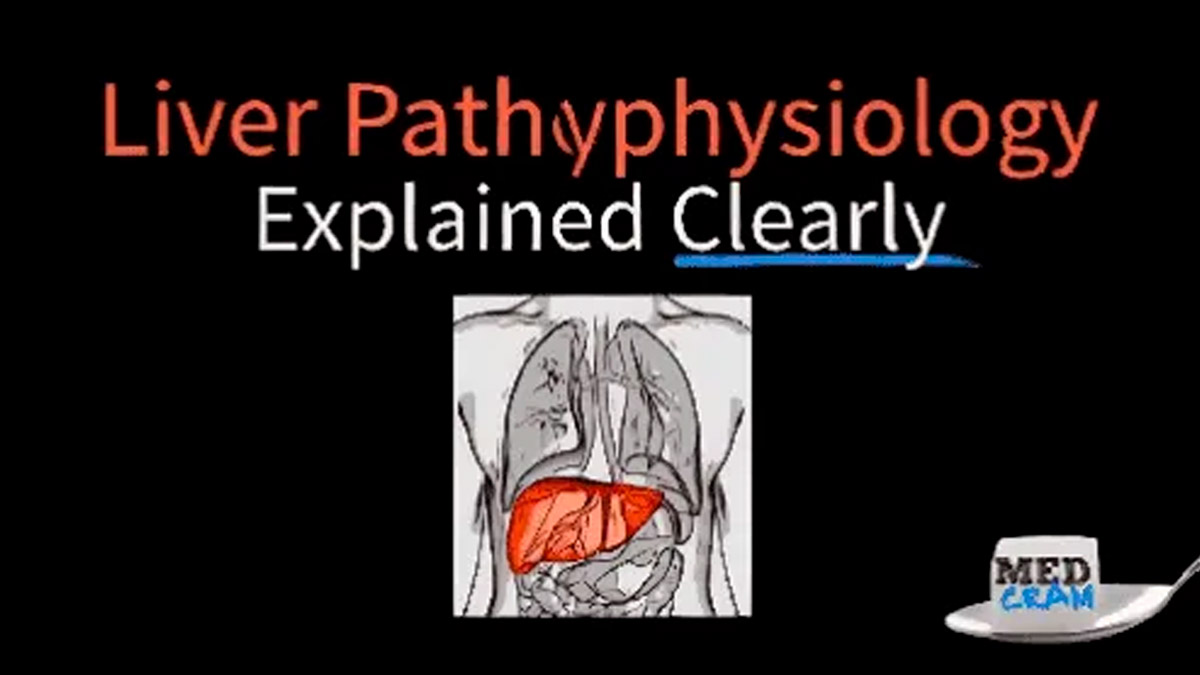
The liver is located in the upper right quadrant of the abdomen, just below the diaphragm. It is the largest internal organ, weighing about 3 pounds in adults. The liver is divided into two main lobes, which are further subdivided into smaller lobes called lobules. Each lobule contains specialized cells known as hepatocytes, which are responsible for the liver’s many functions.
Functions of the Liver
- Metabolism: The liver plays a central role in metabolizing carbohydrates, proteins, and fats. It converts glucose to glycogen for storage and releases it back into the bloodstream when needed. It also processes amino acids and synthesizes proteins, including clotting factors.
- Detoxification: One of the liver’s primary functions is detoxifying harmful substances. It filters blood coming from the digestive tract, removing toxins, drugs, and alcohol, converting them into less harmful substances that can be excreted.
- Bile Production: The liver produces bile, a substance essential for digestion and absorption of fats. Bile is stored in the gallbladder and released into the small intestine during digestion.
- Storage: The liver stores various nutrients, including vitamins (A, D, E, K, and B12), minerals (iron and copper), and glycogen. This storage capability helps maintain the body’s nutrient balance.
- Immune Function: The liver is an integral part of the immune system. It contains specialized immune cells called Kupffer cells, which help identify and destroy pathogens in the blood.
Common Liver Diseases
Understanding liver health is crucial, as various diseases can affect its function:
- Hepatitis: Inflammation of the liver, often caused by viral infections, can lead to liver damage and cirrhosis.
- Fatty Liver Disease: Accumulation of fat in liver cells can lead to non-alcoholic fatty liver disease (NAFLD), which may progress to more severe liver conditions.
- Cirrhosis: Chronic liver damage from various causes leads to scarring and impaired liver function.
- Liver Cancer: The liver can develop tumors, which may be primary (originating in the liver) or secondary (spreading from other organs).
Conclusion
The liver is a remarkable organ with multifaceted roles in maintaining our health. Understanding its functions and potential diseases can empower individuals to make informed decisions about their health. For a more in-depth exploration of the liver and its complexities, consider checking out MedCram’s course, “The Liver Explained Clearly.”
