 Skip to content
All, Courses, Medic
Understanding the Cell Cycle, Cell Signaling, and Disease: A Comprehensive Overview
Oct
The cell cycle and cell signaling are fundamental processes that govern cellular behavior, growth, and development. Disruptions in these processes can lead to various diseases, including cancer. This article aims to provide a clear understanding of the cell cycle, the mechanisms of cell signaling, and their implications in disease, particularly in the context of cancer biology.
What is the Cell Cycle?
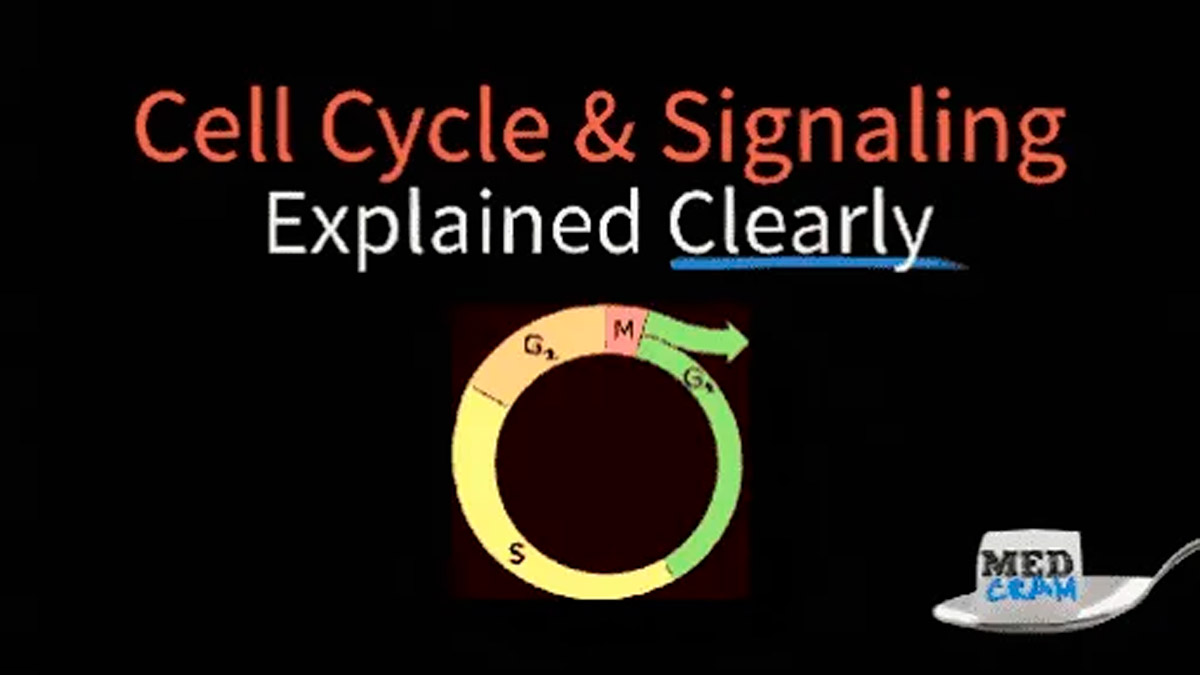
The cell cycle is a series of phases that a cell goes through to grow and divide. It consists of several key stages:
- G1 Phase (Gap 1): The cell grows and synthesizes proteins necessary for DNA replication. It also checks for DNA damage before proceeding.
- S Phase (Synthesis): DNA replication occurs, resulting in two identical sets of chromosomes.
- G2 Phase (Gap 2): The cell continues to grow and prepares for mitosis. It checks for DNA damage and ensures all necessary components are ready for division.
- M Phase (Mitosis): The cell divides its copied DNA and cytoplasm to form two daughter cells.
- G0 Phase: Some cells may enter a resting state where they are metabolically active but not actively dividing.
The Role of Cell Signaling
Cell signaling refers to the complex communication system that governs cellular activities and coordinates responses to external stimuli. Key components of cell signaling include:
- Receptors: Proteins on the cell surface or inside the cell that bind to signaling molecules (ligands) such as hormones, neurotransmitters, or growth factors.
- Signal Transduction Pathways: Once a ligand binds to a receptor, it triggers a cascade of biochemical reactions within the cell, leading to a specific response. These pathways can regulate gene expression, cell growth, and apoptosis (programmed cell death).
- Feedback Mechanisms: Cell signaling often involves feedback loops that help maintain homeostasis. Positive feedback amplifies a response, while negative feedback inhibits it.
The Connection Between Cell Cycle, Signaling, and Disease
Disruptions in the cell cycle and cell signaling pathways can lead to various diseases, particularly cancer. Here’s how these processes are interconnected:
- Oncogenes and Tumor Suppressor Genes: Mutations in genes that regulate the cell cycle can lead to uncontrolled cell division. Oncogenes promote cell growth, while tumor suppressor genes inhibit it. When tumor suppressor genes are inactivated or oncogenes are overexpressed, it can result in tumor formation.
- Altered Signaling Pathways: Cancer cells often exhibit aberrant signaling pathways that promote survival, proliferation, and metastasis. For example, the PI3K/Akt pathway is frequently activated in cancers, leading to increased cell growth and resistance to apoptosis.
- Microenvironment Influence: The tumor microenvironment can also affect cell signaling and the cell cycle. Factors such as hypoxia, inflammation, and extracellular matrix components can alter signaling pathways, promoting tumor progression.
- Therapeutic Implications: Understanding the interplay between the cell cycle, signaling pathways, and disease has led to the development of targeted therapies. Drugs that inhibit specific signaling pathways or restore normal cell cycle regulation are being explored in cancer treatment.
Conclusion
The cell cycle and cell signaling are critical processes that play a vital role in maintaining cellular function and health. Disruptions in these processes can lead to serious diseases, particularly cancer. By understanding these mechanisms, researchers and healthcare professionals can develop more effective treatments and interventions. For a more in-depth exploration of the cell cycle, cell signaling, and their implications in disease, consider checking out the course offered at Shared Courses, which provides clear explanations and insights into these fundamental biological processes.
