Skip to content
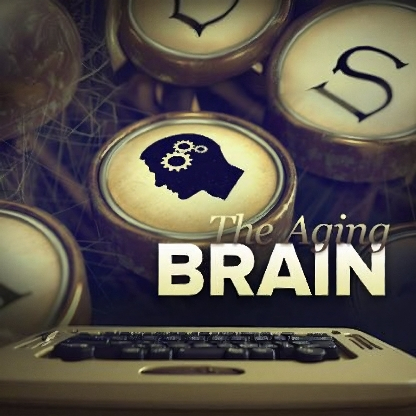
The Aging Brain
Original price was: $29.99.$6.99Current price is: $6.99.
A neuroscientist and award-winning professor takes you down to the molecular level of the brain to show you what you can do to prolong your health and keep your mind sharp. We’re all getting older every day, and scientific research has shown that starting in our 20s, some brain functions begin a linear decline. But is old age all doom and gloom? Not at all! While it’s true that some functions in the aging brain decline, neuroscientists have discovered that many other brain functions remain stable—or even improve—as we age. Furthermore, nurture plays as significant a role as nature, and there are a number of strategies you can implement to stave off declining brain function, including:
Overview
Course No. 1633
A neuroscientist and award-winning professor takes you down to the molecular level of the brain to show you what you can do to prolong your health and keep your mind sharp. We’re all getting older every day, and scientific research has shown that starting in our 20s, some brain functions begin a linear decline. But is old age all doom and gloom? Not at all! While it’s true that some functions in the aging brain decline, neuroscientists have discovered that many other brain functions remain stable—or even improve—as we age. Furthermore, nurture plays as significant a role as nature, and there are a number of strategies you can implement to stave off declining brain function, including:
- Incorporating physical activity into your routine
- Eating a healthy diet
- Maintaining a vibrant social life
- Reducing your stress
The science behind the aging brain tells a fascinating—and often counterintuitive—story. Is “aging” a disease or merely a natural occurrence that produces disease-like symptoms? If humans are biologically programmed to survive and thrive, why do we age at all? Is it possible (or even desirable) to “cure” aging altogether? Delve into these questions and more in The Aging Brain. Taught by a neuroscientist and award-winning professor at the University of Michigan, these 12 eye-opening lectures will give you a wealth of new insights into what happens to the brain over time—as well as strategies to mitigate the effects of aging and enhance your quality of life into old age. With a mix of scientific research and practical applications, Professor Polk brings cutting-edge science to life. He takes you down to the cellular and even molecular levels of the brain to show you why certain functions decline, how some aspects of brain aging are under genetic control, and what you can do to prolong your health and keep your mind sharp. Aging affects us all, but you have some control over how it affects you.
Course Structure
1. The Aging Mind: What Changes?
Aging affects us all, and it’s important to know how our cognitive functions change over our lives. The course opens with an examination of how fluid processing skills—such as episodic and working memory—tend to decline over time, whereas crystallized intelligence (how-to skills and accumulated knowledge) remains stable or even improves.
Duration: 36 min
2. Why Don’t We Live Forever?
Take a look at how our genes influence the aging process. Professor Polk explores several theories for why we age and eventually die, then delves into the genetic mechanisms involved in aging. Find out how replication damages cells and why there is a limit to the number of healthy replications our cells can make.
Duration: 33 min
3. Is Aging a Disease?
Scientists debate whether aging is actually a disease, but the effects of aging indisputably resemble the symptoms of a disease. Here, examine three major mechanisms behind these effects: energy consumption, free radicals, and damage to our DNA. Then consider whether there could be a way to “cure” these effects.
Duration: 29 min
4. Aging and Brain Structure
See how the cognitive changes of aging relate to the biological changes discussed in the previous lectures. It turns out that regions of the brain associated with processing speed, executive function, and episodic memory are more susceptible to aging, which may explain why these cognitive functions are particularly susceptible to decline. Tour the anatomy of the brain and see age-related differences.
Duration: 28 min
5. Aging and Brain Function
Turn from the brain’s structure to its activity. After reviewing how we study brain function via fMRI, Professor Polk shows you how brain activity changes as we age—and how these changes impact our memory, our ability to multitask, and more. Then, learn some good news about how the brain compensates for these changes.
Duration: 31 min
6. Emotional Aging
Many studies agree that people older than 65 typically experience a greater sense of emotional well-being than younger people. See what scientific research shows about our evolving emotional landscape, and why older people tend to be happier than the young. Depression can still be a problem for older adults, though—consider the most common causes, and discover how symptoms may differ from those of younger individuals.
Duration: 30 min
7. Strategies for an Aging Memory
How does memory work? Can aspects of it be improved? This eye-opening lecture offers a test of two different strategies for memorization: sheer repetition on the one hand, and visual-spatial storytelling on the other. Once you understand how memory works, you’ll investigate four key principles that you can apply to improve your own memory.
Duration: 31 min
8. Dementia and Alzheimer’s Disease
Find out what medical scientists mean by “dementia,” which results from disease and is not a normal part of healthy aging. The most prominent disease that causes dementia is Alzheimer’s, so Professor Polk walks you through its history, symptoms, and palliative treatments, as well as the current state of Alzheimer’s research.
Duration: 32 min
9. Parkinson’s Disease and Stroke
Continue your study of age-related brain diseases with an investigation of Parkinson’s disease and stroke. What are they? How do they affect a person’s behavior? And can they be treated? Examinations of these questions and more take you through neurochemistry, stem cell research, and strategies you can use to reduce your risk.
Duration: 32 min
10. Aging Well: Staying Active
Get ready for good news to help stave off mental decline! Here, you’ll analyze the effects of physical, social, and mental activity on the aging brain. Ample evidence from communities with longer-than-average lifespans shows that getting plenty of exercise and maintaining a vibrant social life can help keep the mind sharp and the spirit young.
Duration: 34 min
11. Aging Well: Diet and Stress
Shift your attention from the effects of physical and social activity to the impact of diet and stress. Explore the benefits of eating a diet rich in fruits, vegetables, and omega-3 fatty acids and low in processed foods—like the Mediterranean, DASH, and MIND diets. Then, delve into the physiological effects of stress, trace the damage it creates throughout the body, and learn how to reduce stress.
Duration: 30 min
12. The Science of Immortality
Is it possible to live forever? Would we even want to? Conclude the course with a look at cutting-edge research involving gene therapy and stem cells that may help us mitigate or even “cure” the effects of aging. The science is still emerging, but the possibilities are fascinating.
Duration: 35 min
Related products


By Area