Skip to content
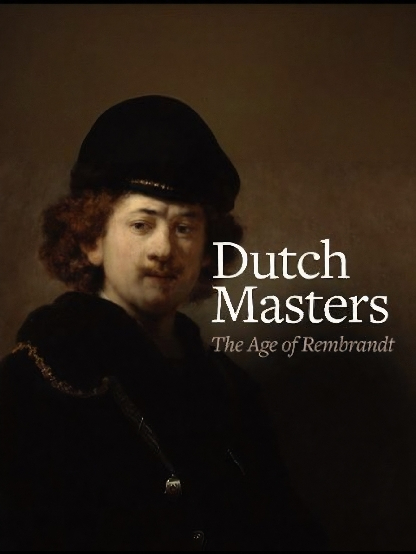
Dutch Masters: The Age of Rembrandt
Original price was: $69.99.$22.99Current price is: $22.99.
An independent art historian introduces you to the creative and talented individuals who made the art of Holland so special. This course, designated as Course No. 7180, explores the remarkable concentration of artistic talent in 17th-century Holland, home to great masters like Vermeer, Frans Hals, Jan Steen, Pieter de Hooch, and Rembrandt.
Overview
An independent art historian introduces you to the creative and talented individuals who made the art of Holland so special. This course, designated as Course No. 7180, explores the remarkable concentration of artistic talent in 17th-century Holland, home to great masters like Vermeer, Frans Hals, Jan Steen, Pieter de Hooch, and Rembrandt.
The art produced during this time includes an unrivaled heritage of portraits, still lifes, landscapes, marine paintings, and observant images of everyday Dutch life that continue to captivate audiences in museums across Europe and America. This course will delve into what made Holland so unique, the extraordinary technical abilities of its artists, and whether they were true realists or creators of a parallel reality, often reflecting deeper truths through familiar subjects.
Course Description
“Dutch Masters: The Age of Rembrandt” will introduce you to the art of 17th-century Holland, tracing the development of this renowned independent school of painting and the seafaring nation that inspired it. The course culminates with the achievements of Rembrandt, Holland’s greatest and most versatile genius, whose remarkable range of work—including his extraordinary etchings—will be the focus of the final seven lectures. Professor William Kloss will guide you through the works of over 100 artists and more than 450 masterful paintings in this visually sumptuous introduction to a marvelous world.
Course Outline
- Art and Society in 16th-Century Netherlands
This lecture outlines the art to be discussed and provides historical background about the Protestant Reformation, Catholic Counter-Reformation, and the beginning of the Eighty Years’ War. (32 min)
- The Years of Crisis in the Netherlands
Political and religious clashes of the 1560s led to the Protestant rebellion and the independence of the northern provinces, focusing on the art of this period, especially that of Pieter Bruegel the Elder. (29 min)
- Art in Haarlem and Utrecht, c. 1530–1625
Explore two significant art centers and works produced by Cornelis van Haarlem, Hendrik Goltzius, Abraham Bloemaert, and Hendrick Terbrugghen. (30 min)
- Facing the Truth—Candid Portraits
Portrait painting becomes prominent in Holland in the 17th century, with citizens eager to record the features of their families and national leaders. (31 min)
- Dutch Portraits, c. 1635–75
Examine some of the finest Dutch portraitists, including Gerard ter Borch, Jan de Bray, and Bartolomeus van der Helst, noting the shift in taste during the 1660s. (30 min)
- Frans Hals—The Early Years
The first of three lectures on Hals, discussing his early single portraits and rare genre paintings from about 1611 to about 1633. (30 min)
- Frans Hals—Civic Group Portraits
Explore Hals’s famous series of group portraits of the Civic Guard Companies of Haarlem, characterized by vivid, animated compositions. (30 min)
- Frans Hals—Later Portraits
As Hals aged, he retained his astonishing skill and became more penetrating in his characterizations, never repeating a pose. (29 min)
- Town and City
Focus on genre painting, or scenes of everyday life, particularly in public places in Haarlem and Amsterdam. (31 min)
- Daily Life in the Town
Examine depictions of public places—inns, taverns, and shops—by painters like Judith Leyster and Adriaen van Ostade. (30 min)
- Daily Life in the Home
Discover the rich settings for scenes in Dutch homes, often carrying deeper meanings than they suggest to modern viewers. (29 min)
- Music and the Studio
Explore the significance of music in Dutch art, often infused with romantic and erotic connotations. (30 min)
- Jan Steen—Order and Disorder in Dutch Life
Analyze the works of Jan Steen, known for subjects that often depict boisterous activity, seemingly at odds with Calvinist ideals. (31 min)
- Pieter de Hooch and Quietude
Contrast the introverted style of Pieter de Hooch with the extroverted works of Jan Steen. (31 min)
- Art in Delft
Understand the significance of Delft in Dutch history and art, particularly its association with Johannes Vermeer. (29 min)
- Johannes Vermeer, c. 1655–60
Explore Vermeer's unexpected beginnings and works that display his characteristic effects of light and profound silence. (30 min)
- Johannes Vermeer, c. 1660–65
Examine Vermeer's common subjects infused with his unique aura during this period. (32 min)
- Johannes Vermeer, c. 1665–70
Discuss renowned paintings like "Girl with a Pearl Earring" and the use of the camera obscura in Vermeer's work. (29 min)
- Still-Life Painting, c. 1620–54
Investigate still-life painting, often conveying the moral of life's brevity, featuring artists like Ambrosius Bosschaert and Pieter Claesz. (30 min)
- Still-Life Painting, c. 1652–82
Conclude the examination of still-life painting with works from artists like Willem Kalf and Abraham van Beyeren. (30 min)
- Landscape Painting—The Early Decades
Survey the invention of naturalistic landscape painting, featuring works from Hendrik Goltzius to Salomon van Ruysdael. (29 min)
- Landscapes of Jan van Goyen and Rembrandt
Discover the contributions of Jan van Goyen and the limited number of landscapes painted by Rembrandt. (31 min)
- Foreign Landscapes
Explore how Dutch artists expressed their interest in the world beyond Holland through foreign landscapes. (29 min)
- Landscape Painting in the 1640s and 1650s
Examine the evolution of landscape painting from tonal to colorful styles, featuring artists like Aert van der Neer and Albert Cuyp. (30 min)
- Jacob van Ruisdael
Learn about Jacob van Ruisdael, the greatest Dutch landscape painter, known for his blend of observation and imagination. (30 min)
- Dutch Landscape Painting until 1689
Continue with Ruisdael's work and explore other prominent landscape painters like Philips de Koninck. (30 min)
- Marine Painting
Discover the significance of marine painting in Dutch art, reflecting the nation's naval prowess and relationship with the sea. (30 min)
- The Moral of the Story—History Painting
Analyze how Dutch artists depicted elevated narrative subjects from the Bible, mythology, and history. (30 min)
- The Decoration of the Amsterdam Town Hall
Explore the art commissioned for the grand Amsterdam Town Hall, opened in 1655. (30 min)
- Rembrandt to 1630
The first of seven lectures on Rembrandt, focusing on his early self-portraits and significant history paintings. (30 min)
- Rembrandt in Amsterdam, 1631–34
Examine Rembrandt's early years in Amsterdam, including his portrait of Saskia van Uylenburgh. (30 min)
- Rembrandt and the Baroque Style
Discover how Rembrandt incorporated elements of the Baroque style into his work during the mid-1630s. (30 min)
- Rembrandt’s Personal Baroque Style
Explore Rembrandt's evolution toward a personal Baroque style with a full range of size, subject, and expression. (30 min)
- Rembrandt’s Etchings
Learn about Rembrandt's unparalleled command of etching and examine examples from the 1630s to the 1650s. (31 min)
- Rembrandt in the 1650s
Analyze portraits and religious paintings infused with deep emotion and inwardness during this decade. (30 min)
- Rembrandt’s Last Years
Conclude with memorable paintings from the last decade of Rembrandt's life, showcasing the lifelike quality of Dutch art. (30 min)Related products