Skip to content
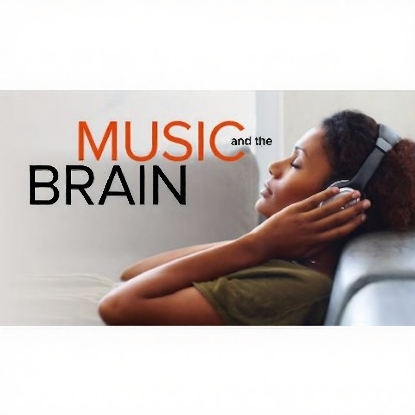
Music and the Brain
Original price was: $39.99.$8.99Current price is: $8.99.
Discover what happens when melody meets the mind in these entrancing lectures on the neuroscience of music.
Overview of Course No. 1181
Discover what happens when melody meets the mind in these entrancing lectures on the neuroscience of music.
The Role of Music in Humanity
Music is an integral part of humanity, present in every culture from the largest society to the smallest tribe. Its marvelous range of melodies, themes, and rhythms taps into something universal, soothing babies, energizing young adults, and evoking vivid memories in older adults. Music is woven into our most important rituals and has inspired some of our greatest works of art.
The Puzzles of Musical Behavior
Despite music’s deep-rooted presence in our lives, questions remain: How and why did musical behavior originate? What gives mere tones such a powerful effect on our emotions? Are we born with our sense of music, or do we acquire it?
Advances in Cognitive Neuroscience
In the last 20 years, cognitive neuroscience has brought us closer to solving these riddles, integrating the study of human mental processes with brain function. This exciting field addresses age-old questions about music and opens new inquiries, such as: Do the brains of musicians differ from non-musicians? Can musical training promote cognitive development? Is there a deep connection between music and language?
Course Insights with Dr. Aniruddh Patel
Join neuroscientist and professor of psychology Dr. Aniruddh Patel as he explores one of the mind’s most profound mysteries. Covering the latest research findings—from the origins of music’s emotional powers to the deficits involved in amusia—these 18 enthralling lectures will transform your understanding of music and the brain.
Designed for All
This course is designed for music lovers and brain enthusiasts at all levels, requiring no prior background in neuroscience or music theory. Here is your unrivaled explanation of this marvelous gift.
Video Lecture List
- Music: Culture, Biology, or Both?
Explore the distinction between music and musicality, focusing on our capacity for relative pitch perception. (32 min)
- Seeking an Evolutionary Theory of Music
Investigate Darwin’s theory and other explanations for the evolution of music, including invention theories and gene-culture co-evolution theories. (32 min)
- Testing Theories of Music’s Origins
Follow research on music perception in monkeys and an experiment with children to evaluate the social bonding theory of musical behavior. (30 min)
- Music, Language, and Emotional Expression
Explore how music conveys emotion and test your responses to specially composed musical passages. (32 min)
- Brain Sources of Music’s Emotional Power
Delve into emotional reactions to music and study the psychological mechanisms that arouse emotions in listeners. (32 min)
- Musical Building Blocks: Pitch and Timbre
Focus on the perception of pitch and timbre, fundamental processes constructed by the brain with deep evolutionary roots. (31 min)
- Consonance, Dissonance, and Musical Scales
Evaluate the brain processes that lead to perceptions of consonance and dissonance, and examine the structure of musical scales. (31 min)
- Arousing Expectations: Melody and Harmony
Understand how melodies and harmonies create expectations and explore the connection between music and language in the brain. (31 min)
- The Complexities of Musical Rhythm
Distinguish between periodic and non-periodic rhythmic patterns and consider the influence of native language on rhythmic composition. (32 min)
- Perceiving and Moving to a Rhythmic Beat
Discover the complexities of beat perception and survey animal studies on rhythmic abilities. (29 min)
- Nature, Nurture, and Musical Brains
Investigate how the brains of musicians differ from non-musicians using neuroimaging, exploring the roles of nature and nurture. (31 min)
- Cognitive Benefits of Musical Training
Explore the cognitive benefits of musical training on brain microstructure and its influence on language acquisition and reading ability. (30 min)
- The Development of Human Music Cognition
Trace the developing music faculty in infants and examine research on the calming effects of singing. (29 min)
- Disorders of Music Cognition
Investigate cases of music cognition breakdown in disorders like amusia and what individuals with these deficits miss in music. (30 min)
- Neurological Effects of Hearing Music
Consider the biological effects of listening to music on various medical conditions and the mechanisms that make music a powerful balm. (30 min)
- Neurological Effects of Making Music
See how engaging in music enhances communication and movement in patients with neurological disorders. (32 min)
- Are We the Only Musical Species?
Survey music-making among other species and analyze the sound structure of their songs compared to human music. (28 min)
- Music: A Neuroscientific Perspective
Conclude by examining the biological significance of music through neuroscience, exploring the connections between music and language. (32 min)Related products