Skip to content
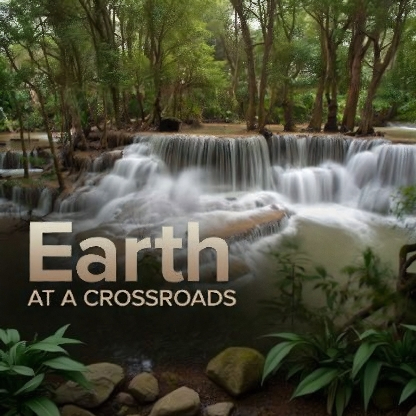
Earth at the Crossroads: Understanding the Ecology of a Changing Planet
Original price was: $69.99.$22.99Current price is: $22.99.
Join behavioral ecologist Eric G. Strauss in exploring Earth’s intricate web of life. This 36-lecture course examines ecosystems, biodiversity, and humanity’s role in shaping—and healing—the planet.
Earth at the Crossroads: Understanding the Ecology of a Changing Planet
Overview
Course No. 1720
Join behavioral ecologist Eric G. Strauss in exploring Earth’s intricate web of life. This 36-lecture course examines ecosystems, biodiversity, and humanity’s role in shaping—and healing—the planet.
Key Themes:
- Interconnectedness: How species, habitats, and climate form a dynamic biosphere.
- Human Impact: Agriculture, urbanization, and pollution as ecological drivers.
- Solutions: Strategies for conservation, sustainability, and restoring ecosystems.
Video Lectures
01: An Ecological Diagnosis of the Living Earth (35 min)
Define ecology and humanity’s place within Earth’s vast network of relationships.
02: Humanity and the Tragedy of the Commons (31 min)
Explore overexploitation through the lens of fisheries and shared resources.
03: Ecology – Natural History to Holistic Science (33 min)
Trace ecology’s evolution from natural history to a multidisciplinary science.
04: Ecology as a System – Presses and Pulses (30 min)
Examine forces driving ecosystem change, from geology to human policy.
05: Climate and Habitat – Twin Ecological Crises (29 min)
Analyze climate change and habitat loss as interconnected threats.
06: Human Society as Ecological Driver (30 min)
How social structures and cultural practices reshape ecosystems.
07: Movement of Energy through Living Systems (29 min)
Follow energy flow from sunlight to decomposition.
08: Humans as Energy Consumers (30 min)
Assess humanity’s energy demands and sustainable alternatives.
09: Nutrient Cycling in Ecosystems (32 min)
Track carbon and nitrogen through Earth’s life cycles.
10: The Challenges of Waste and Disposal (29 min)
Human waste’s ecological impact and innovative disposal strategies.
11: The Water Cycle and Climate (30 min)
Water’s role in ecosystems and pollution mitigation.
12: Human Water Use and Climate Change (31 min)
Depletion risks and conservation solutions for freshwater resources.
13: Rain and Heat – Forces That Shape Climate (29 min)
Why deserts and rainforests form, and species’ adaptations.
14: The Ecology of Global Climate Change (31 min)
Warming’s effects on migration, life cycles, and marine habitats.
15: How Living Organisms Acquire Food (31 min)
Food webs, species interactions, and fragmentation’s consequences.
16: The Ecological Consequences of Agriculture (31 min)
Industrial farming’s toll and sustainable food production models.
17: Food, Energy Flows, Biomagnification (31 min)
Nutrient concentration in food chains and toxic chemical buildup.
18: The Human Ecology of Biomagnification (29 min)
Case studies: Pollutants in breast milk and Japan’s mercury crisis.
19: The Ecological Community as a Living Mosaic (30 min)
Predator-prey dynamics, cooperation, and disturbances like wildfires.
20: Wildlife Adaptation to Human Landscapes (33 min)
Species’ survival strategies in urbanized habitats.
21: Biodiversity, Disturbance, Invasive Species (30 min)
Fire, deforestation, and nonnative species’ impact on biodiversity.
22: Biodiversity Decline and Restoration Ecology (32 min)
Urbanization’s effects and actions to revive ecosystems.
23: Microevolution and Biological Variation (30 min)
Genetic diversity’s role in ecosystem resilience.
24: Human Impacts on Ecological Space and Time (29 min)
Habitat fragmentation’s threat to native species and coexistence solutions.
25: Population Growth and Its Natural Limits (31 min)
Models of population dynamics and species’ adaptive strategies.
26: The Human Shift to an Urban Lifestyle (30 min)
Urban ecology’s unique challenges and infrastructure’s environmental toll.
27: The Ecology of Dispersal and Migration (30 min)
Costs, benefits, and perils of species migration.
28: Human Impacts on Animal Migration (30 min)
Disrupted migratory patterns and conservation tactics.
29: Ecology and Economy of Sex and Reproduction (33 min)
Evolutionary drivers of sexual reproduction and biodiversity implications.
30: Cities and the Human Demographic Transition (32 min)
Industrialization’s effect on family size and future sustainability.
31: Coevolution among Species (31 min)
Mutualism, mimicry, and predator-prey arms races.
32: The Coevolution of Human Diseases (29 min)
Zoonotic diseases (e.g., Lyme, West Nile) and climate change’s role.
33: Strategies for Reversing Ecosystem Decline (31 min)
Conservation biology’s ethical debates and habitat restoration.
34: Designing Spaces for Wildlife (33 min)
Park design and prioritizing species in recovery plans.
35: Toward Sustainable Urban Ecosystems (31 min)
Urban ecology’s mission to harmonize cities with nature.
36: Recovering Ecosystems – Hope for the Future (38 min)
Success stories in healing habitats while supporting human communities.
Related products