 Skip to content
No Excuses: Existentialism and Meaning of Life
Original price was: $39.99.$7.99Current price is: $7.99.
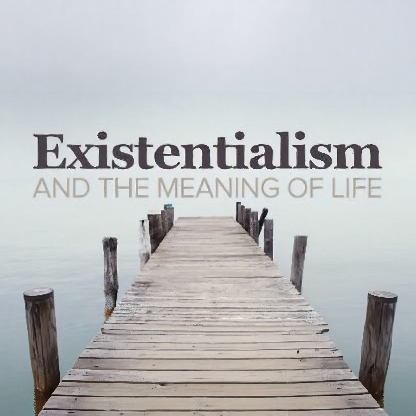
Explore a unique philosophy that puts you in charge of your own life with this excellent introduction to Existentialism by noted philosopher Robert C. Solomon. This course dives into fundamental questions about existence, individual responsibility, and the nature of freedom—topics that have garnered persistent interest for over a century.
No Excuses: Existentialism and Meaning of Life
Overview
Explore a unique philosophy that puts you in charge of your own life with this excellent introduction to Existentialism by noted philosopher Robert C. Solomon. This course dives into fundamental questions about existence, individual responsibility, and the nature of freedom—topics that have garnered persistent interest for over a century.
Across 24 lectures, you’ll meet influential thinkers like Kierkegaard, Nietzsche, and Sartre, gaining insights into their diverse approaches to life’s major questions. By examining the existentialist perspective, you’ll uncover how it challenges conventional wisdom and stimulates profound thought regarding your own life and choices.
Video Lessons
01: What Is Existentialism?
Introduce the central themes of existentialism, including individual significance and human freedom.
Length: 31 min
02: Albert Camus—“The Stranger” Part I
Analyze the character of Meursault in Camus’s “The Stranger,” exploring his philosophical implications.
Length: 30 min
03: Albert Camus—“The Stranger” Part II
Delve deeper into the conflict between reason and experience as presented in “The Stranger.”
Length: 31 min
04: Camus—The Myth of Sisyphus
Examine Camus’s concept of the absurd and its relevance to personal meaning.
Length: 29 min
05: Camus—The Plague and The Fall
Explore themes of absurdity and the human response to collective suffering in Camus’s works.
Length: 30 min
06: Camus—The Fall, Part II
Investigate the confessions of Clamence in “The Fall” and the interplay between guilt and seduction.
Length: 30 min
07: Søren Kierkegaard—“On Becoming a Christian”
Understand Kierkegaard’s unique take on Christian faith and its significance in existential thought.
Length: 31 min
08: Kierkegaard on Subjective Truth
Explore the role of subjective truth in Kierkegaard’s philosophical framework and its implications for living meaningfully.
Length: 30 min
09: Kierkegaard’s Existential Dialectic
Discuss Kierkegaard’s critique of Hegel and his concept of existential choices.
Length: 31 min
10: Friedrich Nietzsche on Nihilism and the Death of God
Analyze Nietzsche’s views on nihilism and his declaration that “God is dead.”
Length: 30 min
11: Nietzsche, the “Immoralist”
Explore Nietzsche’s contrast between “master” morality and the traditional moral viewpoints.
Length: 32 min
12: Nietzsche on Freedom, Fate, and Responsibility
Discover Nietzsche’s thoughts on fate and the existential act of self-realization.
Length: 31 min
13: Nietzsche—The Übermensch and the Will to Power
Discuss Nietzsche’s concept of the Übermensch and its implications for the future of humanity.
Length: 31 min
14: Three Grand Inquisitors—Dostoevsky, Kafka, Hesse
Examine the contributions of Dostoevsky, Kafka, and Hesse to existentialism through fiction.
Length: 31 min
15: Husserl, Heidegger, and Phenomenology
Investigate the philosophies of Husserl and Heidegger and their merging with existential thought.
Length: 31 min
16: Heidegger on the World and the Self
Learn how Heidegger’s philosophies redefine our understanding of self and existence.
Length: 31 min
17: Heidegger on “Authenticity”
Explore the necessity of authenticity in the face of societal pressures according to Heidegger.
Length: 31 min
18: Jean-Paul Sartre at War
Engage with Sartre’s existential imperative: “No excuses!” and the nature of freedom in crises.
Length: 30 min
19: Sartre on Emotions and Responsibility
Delve into Sartre’s views on emotions as strategies rather than mere feelings.
Length: 30 min
20: Sartre’s Phenomenology
Analyze Sartre’s interpretation of consciousness and free will within existentialism.
Length: 31 min
21: Sartre on “Bad Faith”
Explore Sartre’s concepts of Being-for-Itself and Being-in-Itself and their moral implications.
Length: 31 min
22: Sartre’s Being-for-Others and No Exit
Examine Sartre’s take on relationships and existence in his play “No Exit.”
Length: 31 min
23: Sartre on Sex and Love
Investigate Sartre’s views on intimate relationships and their existential significance.
Length: 31 min
24: From Existentialism to Postmodernism
Conclude with reflections on how existentialism informs and contrasts with postmodern thought.
Length: 32 min
Related products






By Area