Skip to content
Story of the Bible
Original price was: $39.99.$7.99Current price is: $7.99.
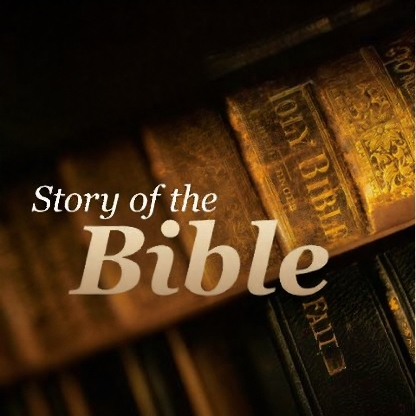
This 24-lecture course traces the remarkable journey of the Bible from ancient oral traditions to the world’s most influential book.
Story of the Bible
Overview
Course No. 6252
This 24-lecture course traces the remarkable journey of the Bible from ancient oral traditions to the world’s most influential book. Professor Johnson guides you through the complex process of how Jewish and Christian scriptures were composed, standardized, translated, and interpreted across three millennia of history.
You’ll explore key developments including the formation of the Hebrew Bible (TaNaK), early Christian texts, medieval manuscript production, the revolutionary impact of printing, and modern translation efforts. The course reveals how political, technological, and theological forces shaped the Bible we know today.
Video Lectures
01: Telling the Story of a Book (32 min)
Introduce the Bible’s enduring influence and complex compositional history.
02: Making TaNaK (30 min)
Examine the centuries-long formation of the Hebrew Bible (Torah, Nebiim, Ketubim).
03: Forms of Jewish Scripture (31 min)
Discover diverse versions of Jewish scripture across the Diaspora by 1st century BCE.
04: Birth of the Christian Bible (31 min)
Trace early Christians’ adoption of Greek translations and creation of new texts.
05: Formation of Jewish and Christian Canons (30 min)
Compare Jewish and Christian processes of scriptural standardization.
06: Writing and Copying Manuscripts (30 min)
Explore pre-printing press techniques of biblical manuscript production.
07: Imperial Sponsorship and the Bible (30 min)
Analyze Constantine’s conversion and its impact on Christian scripture.
08: Texts and Translations—The Ancient East (30 min)
Study early Syriac and Coptic Bible translations and their cultural significance.
09: Old Latin and the Vulgate (30 min)
Follow the development of Latin Bible translations culminating in Jerome’s Vulgate.
10: Other Ancient Versions (28 min)
Discover Bible translations that created written alphabets for Armenian, Georgian and other languages.
11: Monasteries and Manuscripts (29 min)
Learn how medieval monks preserved and illuminated biblical texts.
12: Interpretation within Judaism (30 min)
Examine Jewish scriptural interpretation through Talmud and scholarly works.
13: Interpretation in Medieval Christianity (31 min)
Explore multifaceted medieval Christian engagement with scripture.
14: The Renaissance, Printing, and the Bible (30 min)
Assess how printing technology and classical scholarship transformed Bible access.
15: The Protestant Reformation and the Bible (30 min)
Analyze Luther’s revolutionary emphasis on private scripture reading.
16: Translating the Bible into Modern Languages (30 min)
Track post-Reformation Bible translations and their role in national identities.
17: The First Efforts at Englishing the Bible (30 min)
Study controversial 14th-century English translations and their political implications.
18: The King James Version (29 min)
Evaluate the creation and lasting influence of the 1611 King James Bible.
19: The Romance of Manuscripts (30 min)
Rediscover medieval manuscripts’ historical value after the printing revolution.
20: Searching for the Critical Text (31 min)
Follow scholars’ efforts to establish definitive biblical texts from ancient manuscripts.
21: The Historical-Critical Approach (31 min)
Examine Enlightenment-era analysis of the Bible as historical document.
22: The Bible in Contemporary Judaism (30 min)
Explore modern Jewish movements’ reinterpretations of scripture.
23: Contemporary Christians and Their Bibles (30 min)
Assess ongoing debates about scripture’s role in modern Christian life.
24: The Bible’s Story Continues (31 min)
Consider the Bible’s evolving influence through new technologies and media.
Related products