 Skip to content
The Art of Storytelling: From Parents to Professionals
Original price was: $29.99.$6.99Current price is: $6.99.
Course No. 9313
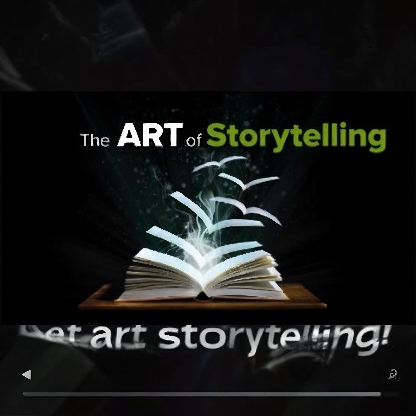
Enhance your storytelling abilities with professional techniques to craft and deliver memorable tales. This course is a blend of practical storytelling methods and an intellectual exploration of narrative history. Learn to build dynamic tension, connect with your audience, and use body language effectively. Gain insights into using stories in various scenarios, from bedtime tales to professional presentations.
Overview
Course No. 9313
Enhance your storytelling abilities with professional techniques to craft and deliver memorable tales. This course is a blend of practical storytelling methods and an intellectual exploration of narrative history. Learn to build dynamic tension, connect with your audience, and use body language effectively. Gain insights into using stories in various scenarios, from bedtime tales to professional presentations.
Video Lesson List
1. Telling a Good Story
Understand the significance of storytelling across cultures and the unique aspects of storytelling compared to other forms of performance. Introduction to the “storytelling triangle.”
32 min
2. The Storytelling Triangle
Analyze the relationship between you, the story, and the audience. Learn why certain stories draw you in.
31 min
3. Connecting with Your Story
Explore the variety of stories available and practical resources for finding them. Assess intellectual and emotional connections with stories.
37 min
4. Connecting with Your Audience
Focus on the physical and social contexts of your relationship with the audience and how stories bring people together.
29 min
5. Telling Family Stories
Examine the hidden meanings in family stories and how they capture attention through interactive exercises.
31 min
6. The Powerful Telling of Fairy Tales
Understand the psychology behind fairy tales and why their themes resonate with both children and adults.
34 min
7. Myth and the Hero’s Journey
Learn about the hero’s journey structure and how it can be applied to storytelling for deeper resonance.
30 min
8. Tensive Conflict and Meaning
Engage in exercises to let go of inhibitions and immerse yourself in the narrative, exploring “tensiveness” in stories.
31 min
9. Giving Yourself Permission to Tell
Perform stretching exercises to overcome storytelling barriers and embrace playing with the story.
29 min
10. Visualization and Memory
Use visualization techniques to add depth to your story’s characters and events, and learn memory techniques without rote memorization.
31 min
11. Discovering Point of View
Understand how the narrator’s perspective shapes the story and learn to narrate from different character viewpoints.
32 min
12. Developing Complex Characters
Experiment with gestures and postures to develop memorable characters and gain insight into character complexity.
32 min
13. Plot and Story Structures
Explore different story structures and learn to sequence your story for maximum impact.
30 min
14. Emotional Arc and Empathy
Build empathy in storytelling and learn how to create an emotional entry point for your audience.
31 min
15. Varying the Narrator’s Perspective
Integrate storytelling elements through exercises and learn to personify negative forces in your protagonist’s journey.
32 min
16. Vocal Intonation
Focus on using vocal intonation to evoke the story’s “sensorium” with warm-up techniques and performance exercises.
30 min
17. Preparing to Perform
Synthesize storytelling elements through writing and performance exercises, including creating a story outline and script.
32 min
18. Putting Performance Anxiety to Good Use
Understand the physiology of performance anxiety and learn to channel nervous energy positively.
30 min
19. Adapting to Different Audiences
Consider how storytelling varies between informal and formal settings and what different audiences need.
32 min
20. Invitation to the Audience-Mindset
Learn how to capture and maintain your audience’s attention with on-ramps and off-ramps.
33 min
21. Keeping Your Audience’s Attention
Discover techniques to keep your audience engaged, including audience participation and handling interruptions.
33 min
22. Remember Your Stories-The Power of Orality
Conclude with considerations for audience engagement and the cultural impact of oral storytelling.
33 min
Related products


By Area

