 Skip to content
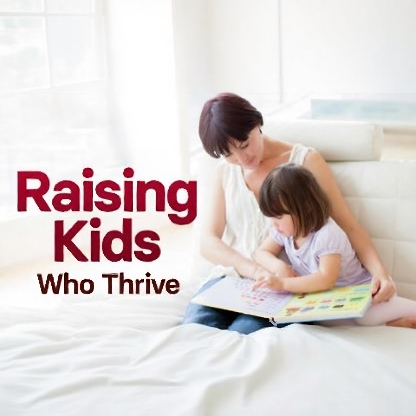
Scientific Secrets for Raising Kids Who Thrive
Original price was: $29.99.$6.99Current price is: $6.99.
Discover scientific methods to raise healthy, happy, intelligent children. Professor Vishton bridges the gap between research and real-world application, offering practical advice across various aspects of childrearing, from sleep and nutrition to behavior and academics.
Overview
Course No. 9542
Discover scientific methods to raise healthy, happy, intelligent children. Professor Vishton bridges the gap between research and real-world application, offering practical advice across various aspects of childrearing, from sleep and nutrition to behavior and academics.
Video Lesson List
1. Self-Control-From Tummy Time to Tae Kwon Do
Learn how physical activities like tae kwon do and yoga can contribute to mental development and self-control. Understand the principles of science in parenting.
33 min
2. Seeing, Hearing, Thinking, Learning Infants
Explore the cognitive abilities of infants and gain tips for creating enriching experiences for your baby.
31 min
3. Sleep-Getting Enough “Vitamin S”
Ensure your baby gets sufficient sleep with tips on comforting newborns, self-soothing techniques, and preventing SIDS.
30 min
4. Healthy Eating Habits for Life
Address finicky eaters and learn how repeated exposure to nutritious foods can increase future desire for them.
30 min
5. Baby Talk, Sign Language, and Speech
Teach your baby sign language and learn the benefits of “Motherese” for language development.
33 min
6. Shaping Behavior-How Kids and Rats Differ
Understand why reward and punishment may not be the best strategies and the side-effects of using physical punishment.
28 min
7. Which Style of Parenting Is Best?
Examine how different parenting styles affect a child’s behavior, social and cognitive development, and long-term happiness.
32 min
8. The Joy of Reading and the Place of Phonics
Learn evidence-based tips for teaching reading, including the use of phonics and reading aloud to children.
32 min
9. IQ Hazards and Boosting Intelligence
Understand the influence of IQ tests and learn how to give your child an early advantage in intelligence.
33 min
10. Enhancing Your Child’s Memory
Discover the principles of human memory and learn techniques to improve your child’s working memory.
32 min
11. Parent as Teacher-Homework and Beyond
Learn how to effectively help your child with homework and promote actual learning.
31 min
12. Getting a Jump on Math-Without Math Anxiety
Address the challenges of math learning and find out how to give your child a head start in mathematics.
33 min
13. Advantages of a Second Language
Explore the cognitive benefits of learning a second language at a young age and the best methods for introduction.
34 min
14. What TV and Video Can and Can’t Teach
Understand the impact of TV and video on children’s mental development and physical health.
33 min
15. Values and Pitfalls of Video Games
Learn about the potential benefits and drawbacks of video games on children’s intelligence and vision.
32 min
16. Promoting Persistence and Self-Esteem
Grasp the developmental processes behind self-esteem and learn to foster a positive attributional style in children.
33 min
17. Encouraging Cooperation, Sharing, Empathy
Discover how to teach pro-social behaviors like cooperation and empathy from a young age.
31 min
18. Peer Conflicts and Social Development
Learn about managing peer conflicts and the importance of independent learning for adolescents.
34 min
19. Maria Montessori at Home for Young Children
Adapt Montessori principles for home use to boost mental and physical development.
31 min
20. Schooling and the Montessori Approach
Explore the Montessori approach for older children and its benefits over traditional education.
31 min
21. Physical Development and Education
Understand the critical importance of physical education and unstructured play for full development.
34 min
22. The Adolescent Brain
Learn about the adolescent brain’s propensity for risk-taking and strategies for maintaining trust with teens.
32 min
23. Becoming a Parent-Scientist
Encouraged to be a producer of science, learn how to conduct research with your family.
33 min
24. The Great Values of an Unhurried Childhood
Consider the benefits of allowing children to develop at their own pace and the importance of unstructured play.
35 min
Related products

By Area






Sem categoria