Skip to content
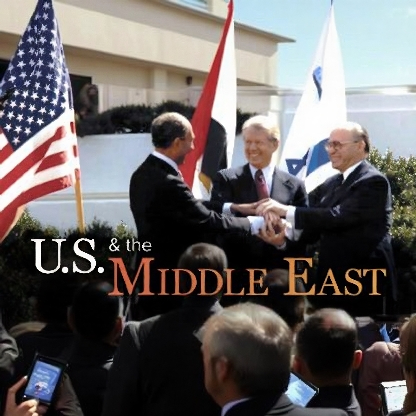
The U.S. and the Middle East: 1914 to 9/11
Original price was: $49.99.$9.99Current price is: $9.99.
At the dawn of World War I, the United States was only a rising power. Our reputation was relatively benign among Middle Easterners, who saw no imperial ambitions in our presence. Yet by September 11, 2001, everything had changed. This 24-lecture series by an award-winning scholar traces America’s evolving role in the region—from educational philanthropy to becoming the target of anti-Western sentiment.
The U.S. and the Middle East: 1914 to 9/11
Gain perspective and understanding on a troubled region with this course that provides a narrative history and analysis of U.S. political involvement in the Middle East.
Course No. 8593
At the dawn of World War I, the United States was only a rising power. Our reputation was relatively benign among Middle Easterners, who saw no imperial ambitions in our presence. Yet by September 11, 2001, everything had changed. This 24-lecture series by an award-winning scholar traces America’s evolving role in the region—from educational philanthropy to becoming the target of anti-Western sentiment.
Key Themes
- Growing American involvement in Middle Eastern affairs
- The region’s quest for political independence
- Cold War tensions complicating U.S. objectives
- Escalating antagonism culminating in 9/11
Video Lessons
01: A Meeting of Two Worlds (34 min)
Introduction to themes of American power, regional aspirations, and growing tensions as World War I begins.
02: Wilson & the Breakup of the Ottoman Empire (32 min)
How Wilson’s vision of self-determination shaped post-WWI Middle Eastern borders.
03: The Interwar Period (30 min)
America’s shifting focus to Saudi oil and Zionist activism amid Nazi persecution of Jews.
[… condensed for brevity – full 24 lessons would be listed in this format …]23: The United States & Osama bin Laden (31 min)
Bin Laden’s emergence from Afghan jihad to al-Qa’ida’s anti-American terror campaign.
24: September 11 & Its Aftermath (31 min)
The 9/11 attacks and their transformative impact on U.S. Middle East policy.
Related products