 Skip to content
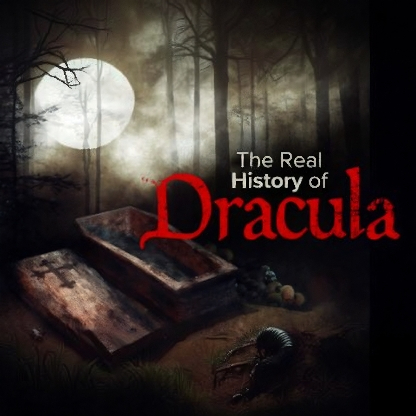
The Real History of Dracula
Original price was: $24.99.$6.99Current price is: $6.99.
What can vampires teach us about being human? Explore the folklore, literature, and cultural impact of Count Dracula in this 10-episode course by folklore experts Dr. Sara Cleto and Dr. Brittany Warman.
Overview
What can vampires teach us about being human? Explore the folklore, literature, and cultural impact of Count Dracula in this 10-episode course by folklore experts Dr. Sara Cleto and Dr. Brittany Warman.
Course No. 30510
Though Bram Stoker’s Dracula (1897) defined the modern vampire, bloodthirsty legends existed long before. This course reveals how vampires reflect our deepest fears and desires—from Victorian anxieties to modern romance.
Course Content
Origins of the Vampire Myth
- Why Dracula Frightens and Seduces Us (27 min)
- Introduction to Dracula’s cultural power and vampire folklore roots
- Surprises from Bram Stoker’s Dracula (26 min)
- How Stoker’s novel reshaped vampire lore and Western culture
- Vampires and Bloodlust Before Dracula (25 min)
- Influences: Vlad the Impaler, Lilith, Jack the Ripper, and Eastern European folklore
- How Dracula Became a Count (28 min)
- The Byronic vampire’s birth in John Polidori’s The Vampyre (1816)
Dracula’s Cultural Evolution
- Vampire Romance On-Screen (28 min)
- From Nosferatu to Twilight: How film transformed vampires into seductive figures
- Why Dracula and Disease Travel Together (29 min)
- Vampires as metaphors for contagion, from tuberculosis to COVID-19
- The Vampiric Threat from Abroad (26 min)
- Victorian fears of foreign invasion and modern challenges to racist tropes
Vampire Lore & Legacy
- How to Kill a Vampire (25 min)
- Origins of stakes, garlic, and crosses in folklore and superstition
- Once Upon a Vampire (25 min)
- Vampires in fairy tales: Bluebeard and Snow White parallels
- The Vampires Among Us (30 min)
- Real-world impact: vampire tourism, serial killers, and roleplaying subcultures
Related products

Original price was: $29.00.$9.00Current price is: $9.00.
Original price was: $16.00.$4.90Current price is: $4.90.

Original price was: $18.00.$5.00Current price is: $5.00.

Original price was: $14.00.$4.00Current price is: $4.00.

Original price was: $15.00.$4.99Current price is: $4.99.
Original price was: $19.00.$5.00Current price is: $5.00.

Original price was: $15.00.$4.60Current price is: $4.60.

By Area
Original price was: $179.00.$29.90Current price is: $29.90.