Skip to content
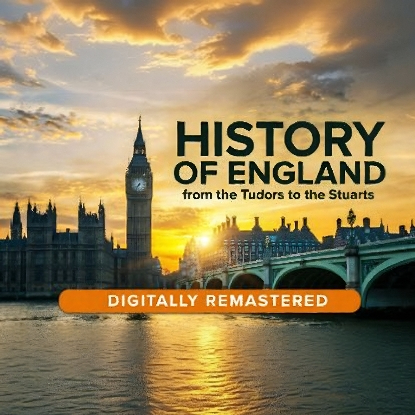
A History of England from the Tudors to the Stuarts
Original price was: $89.99.$22.99Current price is: $22.99.
This classic Great Course has been digitally remastered to enhance the visual presentation. Learn how England transformed itself from a medieval backwater into the first modern state in this sweeping course on one of the most interesting periods in history.
A History of England from the Tudors to the Stuarts
This classic Great Course has been digitally remastered to enhance the visual presentation. Learn how England transformed itself from a medieval backwater into the first modern state in this sweeping course on one of the most interesting periods in history.
Overview
Course No. 8470
During the 229-year period from 1485 to 1714, England transformed itself from a minor feudal state into “the first modern society” and emerged as the wealthiest and most powerful nation in the world. This course covers England’s survival through epidemics, famines, invasions, civil wars, religious conflicts, and confrontations with powerful monarchs like Louis XIV of France and Philip II of Spain.
Beyond survival, this era produced remarkable cultural achievements including Shakespeare’s plays, Milton’s poetry, Newton’s scientific discoveries, and the King James Bible. The course also examines the political principles and ideals that would influence nations for centuries to come.
Video Lectures
Part 1: The Tudor Dynasty (1485-1603)
- England 1485-1714: The First Modern Country (31 min)
Introduction to the course scope and significance of this transformative period in English history. - The Land and Its People in 1485 (30-31 min each)
Lectures 2-4 examine England’s geography, social structure, and mental landscape at the Tudor dynasty’s beginning. - Medieval Prelude: 1377-1485 (30 min each)
Lectures 5-6 cover the instability preceding the Tudors, including the Wars of the Roses.
Part 5: The Stuart Dynasty and Beyond (1603-1714)
- Queen Anne’s Peace: 1710-1714 (30 min)
The Treaty of Utrecht ends war and establishes British dominance, while succession issues remain. - Hanoverian Epilogue: 1714-1730 (30 min)
The peaceful transition to George I and Britain’s emergence as Europe’s leading power.
46-47. The Land and Its People in 1714 (31 min each)
Examination of England’s social, economic, and cultural state at the Stuart dynasty’s end.
- The Meaning of English History: 1485-1714 (34 min)
Reflection on the era’s lasting impact and democratic principles that emerged.
Related products