Skip to content
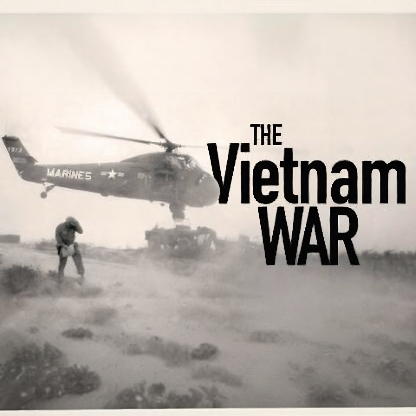
The Vietnam War
Original price was: $39.99.$7.99Current price is: $7.99.
Explore the losses and legacies of the Vietnam War in this 24‑lecture course that traces the conflict from colonial Indochina through American intervention to postwar Vietnam. The series examines political origins, major campaigns (air and ground), asymmetric warfare, the soldier’s experience on both sides, home‑front politics and protest, race and gender issues, and the long human and geopolitical consequences of the war.
The Vietnam War
Course Overview
Explore the losses and legacies of the Vietnam War in this 24‑lecture course that traces the conflict from colonial Indochina through American intervention to postwar Vietnam. The series examines political origins, major campaigns (air and ground), asymmetric warfare, the soldier’s experience on both sides, home‑front politics and protest, race and gender issues, and the long human and geopolitical consequences of the war.
Course Details
- Course No.: 8713
- Focus: causes and consequences, military operations and strategy, social and cultural impacts, veterans and memory
- Format: 24 recorded lectures (≈26–33 minutes each)
- Perspective: bottom‑up human stories and top‑down strategic analysis; uses battles, policy decisions, and personal testimony to illuminate the war
Video Lectures (organized)
01: A Half‑Century Cataclysm — 29 min
Overview of the war’s human cost and an introduction to the many people—soldiers, civilians, activists—whose lives were defined by the conflict.
02: French Indochina and the Viet Minh — 30 min
Colonial exploitation, the rise of Vietnamese nationalism, Ho Chi Minh’s leadership, and the wartime alliances that complicated postwar arrangements.
03: Dien Bien Phu and Vietnam Divided, 1953–1959 — 28 min
The battle of Dien Bien Phu from French and Vietnamese perspectives, the 1954 settlement, and the political partition that set the stage for later conflict.
04: Five Leaders Who Defined the Vietnam War — 29 min
Profiles of key figures (Ho Chi Minh, Le Duan, Ngo Dinh Diem, and two U.S. presidents) and how their decisions shaped the conflict’s trajectory.
05: The Rise of the Viet Cong, 1959–1962 — 27 min
Origins and organization of the VC insurgency in the South, strategic motives for guerrilla warfare, and early U.S. responses.
06: South Vietnam in Crisis, 1963 — 28 min
ARVN weaknesses, political instability under Diem, religious tensions, and the deteriorating U.S.–South Vietnamese partnership.
07: The Gulf of Tonkin and a Crossroads, 1964 — 28 min
The Gulf of Tonkin incident, escalation decisions, the start of Rolling Thunder, and how regional fears of communism influenced policy.
08: The Vietnam War in the Skies — 28 min
American air campaigns, North Vietnamese air defenses and external support, and limits of air power against insurgency.
09: America Goes All In, 1965 — 30 min
The political and military drivers behind full U.S. intervention in 1965 and the initial plans for fighting a conventional‑style war in Vietnam.
10: The World of the American Combat Soldier — 26 min
Daily life, training, rotations, morale, and the combat experience of U.S. ground troops serving 12‑month tours.
11: The World of the Vietnamese Combat Soldier — 29 min
Experience of NVA and VC fighters: recruitment, training, logistics, tactics, and life on the Ho Chi Minh Trail and in the tunnels.
12: Guns, Gear, and Food in the Vietnam War — 27 min
Weapons, equipment, supply issues, and how both sides managed sustenance and material needs in jungle and rural environments.
13: False Optimism, Failing Strategies, 1966–1967 — 28 min
Major operations and the growing mismatch between U.S. strategy and battlefield realities; assessments from leaders on both sides.
14: How to Fight an Asymmetric War — 28 min
North Vietnamese and VC tactics in irregular warfare and the doctrinal, operational, and political challenges they posed for U.S. and ARVN forces.
15: The Tet Offensive, 1968 — 28 min
Planning, execution, and consequences of Tet: a tactical setback for the communists but a strategic shock that transformed political perceptions.
16: America in Turmoil, 1968 — 28 min
Domestic political upheaval—assassinations, protests, the 1968 election—and why peace negotiations stalled.
17: Race, Culture, and Women in the Vietnam War — 31 min
How the war intersected with civil‑rights struggles, changing gender roles, and broader cultural shifts in the U.S. and Vietnam.
18: The Antiwar Movement in America — 29 min
The constituencies, tactics, and impact of antiwar activism—campus protests, draft resistance, and public opinion dynamics.
19: Nixon and Vietnamization, 1969 — 29 min
Nixon’s policy to transfer combat roles to South Vietnamese forces, steps toward withdrawal, and the expansion of covert and aerial campaigns (e.g., Cambodia).
20: The Race against Time, 1970 — 26 min
Strategic calculations in 1970: Cambodia invasion, domestic political pressures, and assessments of South Vietnam’s viability.
21: America Pulls Back, the North Strikes, 1971–1972 — 29 min
Lam Son 719, the Easter Offensive, declining American troop morale, and revelations like the Pentagon Papers and Winter Soldier.
22: The Bitter End, 1972–1975 — 29 min
Diplomatic bargaining, the Paris Peace Accords, U.S. withdrawal, and the fall of South Vietnam to communist forces.
23: Vietnam’s Casualties, Prisoners, and MIA — 29 min
Human toll: casualty counts, POW experiences, missing‑in‑action issues, and medical care on both sides.
24: Vietnam Becomes a Country, Not Just a War — 32 min
Postwar Vietnam’s reconstruction and society; U.S. veterans’ reintegration, evolving public memory, and the normalization of U.S.–Vietnam relations.
Related products