 Skip to content
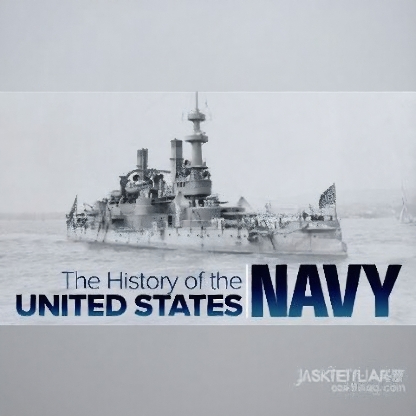
The History of the United States Navy
Original price was: $39.99.$7.99Current price is: $7.99.
Experience the astonishing story of the U.S. Navy from the Age of Sail to the era of nuclear‑powered submarines. In 24 richly detailed lectures, Professor Craig L. Symonds traces the Navy’s institutional evolution, technological transformations, and combat experience—covering Continental Navy origins, the Age of Sail, ironclads and river warfare in the Civil War, the rise to global power in the Spanish‑American War, carrier warfare in World War II, Cold War deterrence, Vietnam and post‑Vietnam reform, and 21st‑century missions at sea.
The History of the United States Navy
Course Overview
Experience the astonishing story of the U.S. Navy from the Age of Sail to the era of nuclear‑powered submarines. In 24 richly detailed lectures, Professor Craig L. Symonds traces the Navy’s institutional evolution, technological transformations, and combat experience—covering Continental Navy origins, the Age of Sail, ironclads and river warfare in the Civil War, the rise to global power in the Spanish‑American War, carrier warfare in World War II, Cold War deterrence, Vietnam and post‑Vietnam reform, and 21st‑century missions at sea.
Course Details
- Course No.: 30450
- Instructor: Professor Craig L. Symonds
- Format: 24 recorded lectures (approx. 29–36 minutes each)
- Focus: ship and weapons development, major naval campaigns and battles, amphibious operations, convoy and anti‑submarine warfare, nuclear deterrence, peacetime naval missions, and strategic competition (notably China)
Video Lectures (organized)
01: The British Origins of the US Navy — 30 min
Overview of the Royal Navy model that shaped early American naval thinking: ships‑of‑the‑line, sailor life, and the institutional roots of U.S. naval practice.
02: American Revolution on River, Lake, and Sea — 31 min
Continental Navy beginnings, Lake Champlain shipbuilding, John Paul Jones’s exploits, privateering, and French naval assistance.
03: Alexander Hamilton and the Early Navalists — 32 min
The political debate over a standing navy, the Quasi‑War with France, Barbary corsairs, and the First Barbary War.
04: British Blockade and the War of 1812 — 32 min
Economic causes of war, frigate duels, and decisive lake battles (Lake Erie, Lake Champlain) that shaped the continental contest.
05: Pirates of the Barbary Coast and Caribbean — 31 min
Post‑1812 counter‑piracy campaigns, suppression of slave trading at sea, and naval protection of maritime commerce.
06: Navy Expeditions from Antarctica to Japan — 32 min
Scientific and exploration voyages, Mexican‑American War naval actions, Perry’s opening of Japan, and the founding of the U.S. Naval Academy.
07: Civil War Ironclads, Torpedoes, and Submarines — 33 min
Technological revolution: Monitor vs. Merrimack, steam propulsion, rifled naval guns, mines (“torpedoes”), and early submarines.
08: Union Gunboats on Confederate Rivers — 32 min
Riverine warfare, ironclad gunboats, joint Army‑Navy operations, and campaigns culminating in the capture of New Orleans and Vicksburg.
09: Union Victories from Charleston to Cape Fear — 31 min
Blockade enforcement, sieges of Confederate ports, long struggle for Charleston, and closing Southern ports like Wilmington.
10: Mahan’s Navy and the Spanish‑American War — 34 min
Alfred Thayer Mahan’s influence, naval modernization in the 1890s, and decisive U.S. victories at Manila Bay and Santiago de Cuba.
11: Teddy Roosevelt and the Battleship Age — 33 min
Battleship diplomacy, the Great White Fleet, pre‑WWI naval arms races, and convoy/anti‑submarine roles in World War I.
12: The Naval Threats of Nazi Germany and Japan — 32 min
Interwar naval treaties, rise of carrier aviation, amphibious doctrine, and the growing naval threats posed by Japan and Germany.
13: Big Aircraft Carrier Battles of the Pacific — 32 min
Carrier vs. carrier warfare: Coral Sea, Midway, Guadalcanal, and the operational evolution that made carriers decisive.
14: U‑Boats, Convoys, and Radar in the Atlantic — 32 min
Battle of the Atlantic: U‑boat menace, convoy tactics, codebreaking and radar, and industrial output that turned the tide.
15: Amphibious Warfare from Sicily to Saipan — 32 min
Logistics and tactics of amphibious operations: Guadalcanal, island hopping in the Pacific, and D‑Day in Europe—the largest amphibious undertaking in history.
16: Kamikazes, Atomic Bombs, and America’s Triumph — 31 min
Final Pacific campaigns, kamikaze assaults, Okinawa and Saipan, the decision to use atomic weapons, and naval roles in Japan’s surrender.
17: The Birth of NATO and New Cold War Threats — 32 min
Postwar reorganization, NATO’s naval responsibilities, nuclear submarines and strategic deterrence, and racial integration of the services.
18: MacArthur’s Bold Landing at Incheon, Korea — 32 min
Korean War naval support and the strategic amphibious landing at Incheon that altered the campaign’s course.
19: Hyman Rickover and the Nuclear Navy — 32 min
Rickover’s leadership, the transition to a nuclear‑powered fleet, submarine deterrence, and the Navy’s Cold War peacetime crises (Cuban Missile Crisis).
20: The Gulf of Tonkin and War in Vietnam — 31 min
How naval incidents drew the U.S. deeper into Vietnam and the Navy’s multifaceted roles—air support, coastal interdiction, and Mekong Delta operations.
21: How the Navy Reformed after Vietnam — 31 min
Post‑Vietnam professional and social reform (Zumwalt era), integration, rebuilding readiness, Reagan‑era expansion, and interventions (Grenada, Libya).
22: Projecting Naval Power in the Middle East — 31 min
Late‑20th‑century Middle East naval operations, Iran‑Iraq War incidents, the largest surface action since WWII, and naval diplomacy in a volatile region.
23: America’s 21st‑Century Missions at Sea — 29 min
Gulf War naval air campaigns, logistics in Iraq, counter‑piracy, drug interdiction, humanitarian assistance, and expeditionary missions.
24: China’s Threats to US Naval Supremacy — 36 min
Contemporary strategic rivalry: Chinese naval modernization, Taiwan and maritime territorial disputes, force comparison, and implications for future U.S. naval strategy.
Related products




By Area




By Area