Skip to content
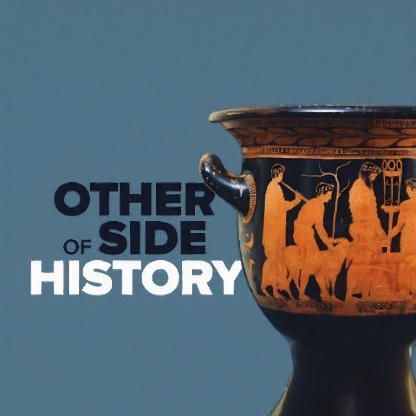
The Other Side of History: Daily Life in the Ancient World
Original price was: $89.99.$22.99Current price is: $22.99.
Course No. 3810 — Discover human history from the perspective of ordinary people across time and space. Over 48 richly detailed lectures, Professor (Garland) reconstructs daily life—from Paleolithic foragers to medieval pilgrims—asking what it meant to eat, work, worship, trade, fight, love, age, and die for the 99% often left off the pages of traditional political narratives.
The Other Side of History: Daily Life in the Ancient World
Overview
Course No. 3810 — Discover human history from the perspective of ordinary people across time and space. Over 48 richly detailed lectures, Professor (Garland) reconstructs daily life—from Paleolithic foragers to medieval pilgrims—asking what it meant to eat, work, worship, trade, fight, love, age, and die for the 99% often left off the pages of traditional political narratives.
Course Description
Move beyond rulers and battles to inhabit the lives of common people: farmers, soldiers, artisans, slaves, women, children, pilgrims, refugees, and entertainers. Using archaeological, literary, and material‑culture evidence, the course visits Mesopotamia, Egypt, the Aegean and Greece, Persia, Hellenistic Egypt, Rome and its provinces, Britain and the Celtic world, the Anglo‑Saxons and Vikings, Norman England, and the medieval European world. Themes include work and leisure, family and gender, religion and death, urban and rural existence, slavery and servitude, disease and disability, migration and exile, and the long cultural continuities that tie ancient daily life to the present.
Instructor
Professor (Garland) — course presenter
Lecture List
- Taking on the Other Side of History — Introduction: why study ordinary lives and how the course approaches “the other side.” (31 min)
- Being Paleolithic — Life of early hominids and Homo sapiens: environment, language, art, and cognition. (32 min)
- Living in Mesopotamia — First permanent settlements, agriculture, writing, law, and urban life by the rivers. (31 min)
- Being Egyptian — Daily life in New Kingdom Egypt: Nile bounty, social stability, and surviving sources. (32 min)
- Belonging to an Egyptian Family — Marriage, fertility, women’s rights, domestic space, and household life. (31 min)
- Practicing Egyptian Religion — Priests, gods (Hathor, Amun‑Re, Osiris), and popular versus temple religion. (31 min)
- Being a Dead Egyptian — Mummification, funerary texts (Book of the Dead), tombs, and beliefs about the afterlife. (30 min)
- Being an Egyptian Worker — Farmers, craftsmen, miners, and life in places like Deir el‑Medina. (31 min)
- Being Minoan and Mycenaean — Sea‑based powers, volcanic hazards (Santorini), palace societies, and the Dark Age transition. (33 min)
- Being Greek — The polis: civic life for free male citizens, the role of women and slaves. (31 min)
- Growing Up Greek — Childhood, exposure/exposure practices, schooling, games, and rites of passage. (30 min)
- Being a Greek Slave — Range of slave labor, social status, manumission, and extreme conditions (mines, helots). (32 min)
- Being a Greek Soldier or Sailor — Hoplite phalanx, Spartan militarization, and mercenary service. (30 min)
- Being a Greek Woman — Domestic seclusion in Athens, hetaerae and alternative female roles. (31 min)
- Relaxing Greek Style — Agora life, symposium culture, festivals, athletics, and entertainments. (30 min)
- Being a Greek Refugee — Colonization and the experience of displacement in the Archaic period. (31 min)
- Being a Sick or Disabled Greek — Health, disabilities, social attitudes, and ancient care practices. (31 min)
- Practicing Greek Religion — Polytheism without orthodoxy: festivals, cults, and ritual life. (33 min)
- Being an Old Greek — Longevity, social supports, and the lives of elders and intellectuals. (29 min)
- Being a Dead Greek — Funeral rites, burial customs, beliefs about the afterlife and ghosts. (30 min)
- Being Persian — Imperial administration: Cyrus, Darius, roads, coinage, and tolerance. (32 min)
- Living in Hellenistic Egypt — Alexandria, ethnic dynamics, and cosmopolitan urban life. (32 min)
- Being Roman — Expansion of citizenship, civic ideology, and Roman identity. (30 min)
- Being a Roman Slave — Scale and variety of Roman slavery, manumission, and slave experiences. (31 min)
- Being a Roman Soldier — Recruitment, training, daily routine, camp work, and benefits. (31 min)
- Being a Roman Woman — Domestic roles, marriage, legal status, and class differences. (31 min)
- Being a Poor Roman — Urban plebs: housing, hazards, diet, and survival strategies. (30 min)
- Being a Rich Roman — Elite houses, villas, patronage, luxury, and display. (28 min)
- Being a Roman Celebrity — Gladiators, charioteers, imperial and popular fame, and public spectacle. (30 min)
- Being a Roman Criminal — Crime, policing, punishments, and social order. (30 min)
- Relaxing Roman Style — Baths, games, theatrical and sporting entertainments, and mass leisure. (30 min)
- Practicing Roman Religion — Household and state cults, divination, and imperial cult practices. (30 min)
- Being Jewish under Roman Rule — Tensions of monotheism in a polytheistic empire, revolt and diaspora. (31 min)
- Being Christian under Roman Rule — Early Christian communities, persecution, and daily piety. (29 min)
- Being a Celt in Ancient Britain — Iron Age village life, tribal organization, and Druidic culture. (31 min)
- Being a Roman Briton — Romanization of Britain: cities, agriculture, and provincial adjustments. (29 min)
- Being Anglo‑Saxon — Post‑Roman settlement, warrior elites, peasants, and monastic life. (30 min)
- Being a Viking Raider — Raiding, trading, seafaring culture, and social organization. (30 min)
- Living under Norman Rule — The 1066 conquest, Norman governance, and long‑term changes in England. (31 min)
- Being Medieval — Overview of medieval daily life: church power, towns, and the Black Death. (29 min)
- Being Poor in the Middle Ages — Peasant life, feudal constraints, diet, revolt (e.g., 1381). (30 min)
- Being a Medieval Woman — Marriage, convent life, prostitution, and literary representations (Wife of Bath). (28 min)
- Being a Medieval Christian or Heretic — Clergy, monasteries, popular religion, and punishment of dissent. (29 min)
- Being a Medieval Knight — Knightly training, warfare, and the code of chivalry versus reality. (29 min)
- Being a Crusader — Ideology and lived experience of Crusading, motivations and risks. (30 min)
- Being a Pilgrim — Pilgrimage routes, experiences, and devotional culture (e.g., Canterbury, Jerusalem). (28 min)
- Relaxing Medieval Style — Sports and leisure: medieval precursors to soccer, chess, music, and entertainers. (32 min)
- Daily Life Matters — Final reflection: empathy, method, and the humanistic value of studying ordinary lives. (36 min)
Learning Objectives
- Reconstruct everyday experiences across ancient and medieval societies using textual and material evidence.
- Compare domestic, economic, religious, and recreational practices across regions and periods.
- Understand how class, gender, age, ethnicity, and status shaped life opportunities and vulnerabilities.
- Appreciate continuities and differences between ancient daily life and modern experience.
Target Audience
Students, lifelong learners, travelers, teachers, and anyone interested in social and cultural history or in seeing history from the viewpoint of ordinary people.
Related products