 Skip to content
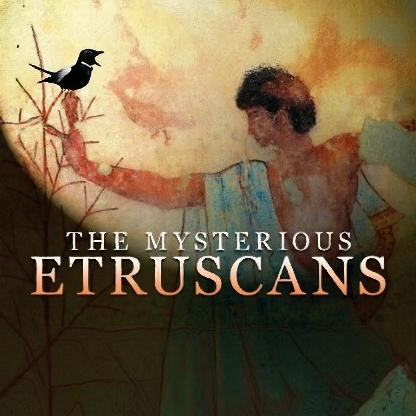
The Mysterious Etruscans
Original price was: $49.99.$9.99Current price is: $9.99.
Course No. 3421 — Gain new insight into the foundations of Western civilization by studying the Etruscans: their cities, art, religion, social life, trade networks, and the profound ways they shaped Rome and later European culture. This 24‑lecture course uncovers a sophisticated, often misunderstood civilization that served as a critical cultural conduit between Greece and Rome.
The Mysterious Etruscans
Overview
Course No. 3421 — Gain new insight into the foundations of Western civilization by studying the Etruscans: their cities, art, religion, social life, trade networks, and the profound ways they shaped Rome and later European culture. This 24‑lecture course uncovers a sophisticated, often misunderstood civilization that served as a critical cultural conduit between Greece and Rome.
Course Description
How did the Etruscans influence Roman religion, architecture, technology, and social customs? Centuries before Rome’s dominance, the Etruscans flourished in central Italy (modern Tuscany), building fortified hilltop cities, pioneering engineering solutions (including the arch and major drainage systems), producing exquisite bronze and terracotta art, and maintaining wide Mediterranean trade ties. This course examines Etruscan urbanism, tombs and funerary art, pantheon and divination practices, myths, language, government, warfare, economy, gender roles, and the culture’s eventual integration into the Roman world. You’ll see how many features commonly credited to Rome—togas, certain religious rites, building techniques, and public spectacles—derive from Etruscan antecedents, and how Etruscan art and symbolism resurfaced in later periods.
Instructor
Professor Steven L. Tuck — (course presenter)
Lecture List
- Between the Greeks and Romans
- Description: Meet the Etruscans and survey their world as the cultural bridge between Greek and Roman civilizations.
- Duration: 32 min
- Lost Cities of Tuscany
- Description: Explore the geography and foundations of key Etruscan cities and what urban layouts reveal about society and influence.
- Duration: 31 min
- Who Founded Rome?
- Description: Examine evidence of Etruscan influence in early Rome, including Etruscan kings in Roman tradition and temple archaeology.
- Duration: 34 min
- Etruscan Cities of the Dead
- Description: Introduction to Etruscan necropoleis—“cities of the dead”—and what tomb architecture tells us about afterlife beliefs.
- Duration: 32 min
- Etruscan Burial and Mourning
- Description: Study tomb paintings and funerary rites to deduce religious rituals, social values, and cultural priorities.
- Duration: 34 min
- Etruscan Afterlife
- Description: Continue analysis of funerary imagery—symbols, underworld guides, and comparisons with Greek mythic concepts.
- Duration: 29 min
- Etruscan Gods and Goddesses
- Description: Survey the Etruscan pantheon and compare deities and functions with Greek and Roman counterparts.
- Duration: 32 min
- Divination: The Will of the Gods
- Description: Learn Etruscan divination practices—liver inspection, augury, lightning omens—and their long influence on Roman ritual.
- Duration: 32 min
- Sanctuaries and Sacred Places
- Description: Examine the placement, design, and political/religious roles of Etruscan sanctuaries and religious sculpture.
- Duration: 32 min
- Etruscan Myths, Legends, and Heroes
- Description: Delve into Etruscan myths and local heroes (e.g., the Vipinas brothers), and the interplay of myth and history.
- Duration: 32 min
- Greek Myth: Etruscan Tombs and Temples
- Description: Investigate how imported Greek pottery and mythological themes were reinterpreted in Etruscan tomb art and temples.
- Duration: 32 min
- Greek Myth: Etruscan Homes
- Description: Explore domestic art—reliefs, bronzes, and depictions of Homeric scenes adapted to Etruscan contexts.
- Duration: 32 min
- Etruscan Language and Literature
- Description: Overview of Etruscan inscriptions (≈13,000 texts), their contexts (religious, legal), and limits of our knowledge from an oral culture.
- Duration: 32 min
- Etruscan Government
- Description: From oligarchic/tirannical forms to city-state arrangements—Etruscan political organization and its influence on Roman symbols.
- Duration: 31 min
- Etruscan Warriors and Warfare
- Description: Military organization, naval activity, armor and tactics, and reasons Etruscan forces lacked long‑term strategic unity.
- Duration: 32 min
- Mediterranean Artisans and Merchants
- Description: Trade networks with Greeks and Phoenicians; imports/exports (pottery, ivory, glass); craft specialization and economic life.
- Duration: 31 min
- Bronze, Terra‑Cotta, and Portraiture
- Description: Technical and stylistic survey of Etruscan bronze work, terracotta production, and the tradition of portraiture.
- Duration: 31 min
- Etruscan Sports and Spectacles
- Description: Origins of gladiatorial combat and chariot racing in Etruscan ritual contexts and their cultural meaning.
- Duration: 30 min
- The Etruscan Banquet
- Description: The social and religious significance of banquets—tomb imagery, rituals, and the notable public inclusion of women.
- Duration: 31 min
- Etruscan Women
- Description: Roles and status of Etruscan women—public presence, priesthoods, and contrasts with Greek and Roman gender norms.
- Duration: 31 min
- Etruscan Families
- Description: Family structure, kin relationships, child status, and tomb evidence illuminating domestic life and gender roles.
- Duration: 32 min
- The Etruscan World Falls Apart
- Description: Trace the decline and integration of Etruscan polities under Roman expansion and surviving regional continuities.
- Duration: 30 min
- Etruscan Legacy in the Roman World
- Description: How Etruscan technology, architecture, religion, costume, and spectacle were assimilated into Roman practice.
- Duration: 31 min
- Where Have the Etruscans Gone?
- Description: Renaissance appropriations, modern rediscovery, DNA studies, and the continuing questions about Etruscan origins and identity.
- Duration: 34 min
Learning Objectives
- Identify core features of Etruscan civilization: urbanism, religion, art, economy, and political organization.
- Explain how Etruscan practices and technologies influenced early Rome and later Western institutions.
- Read and interpret Etruscan material culture (tombs, pottery, bronzes, inscriptions) and assess archaeological evidence.
- Compare Etruscan religion, myths, and social customs with contemporary Greek and Roman systems.
- Evaluate modern scholarly debates about Etruscan origins, continuity, and legacy.
Target Audience
Students and enthusiasts of ancient history, archaeology, classical studies, art history, and anyone interested in the deep cultural roots of Rome and Western civilization.
Related products





By Area

