Skip to content
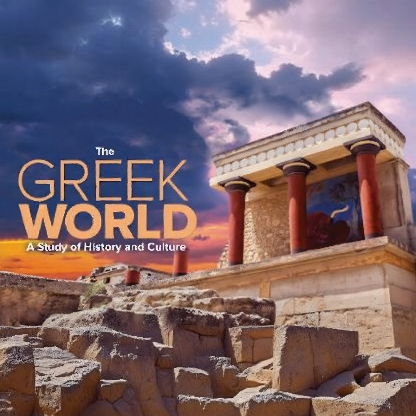
The Greek World: A Study of History and Culture
Original price was: $39.99.$7.99Current price is: $7.99.
Course No. 3189 — Take a fresh, immersive look at the extraordinary legacy of ancient Greece and the wide range of achievements that deeply shaped Western civilization: politics and democracy, philosophy, drama, architecture, sculpture, literature, science, and more. This 24‑lecture course surveys Greek development from the Bronze Age through the Hellenistic period and examines later Roman, Byzantine, and modern Greek connections.
Overview
Course No. 3189 — Take a fresh, immersive look at the extraordinary legacy of ancient Greece and the wide range of achievements that deeply shaped Western civilization: politics and democracy, philosophy, drama, architecture, sculpture, literature, science, and more. This 24‑lecture course surveys Greek development from the Bronze Age through the Hellenistic period and examines later Roman, Byzantine, and modern Greek connections.
Course Description
The Greeks created many of the institutions and cultural forms we still recognize today—drama, history, philosophy, democracy, and architectural orders among them. This course explores the origins and evolution of Greek civilization: Minoan and Mycenaean roots, the Dark Age and Archaic revival, the Classical flowering (Pericles, democracy, drama), the spread of Hellenism under Alexander, and the afterlives of Greek culture in Rome, Byzantium, and the modern era. You will study material culture (sculpture, vase painting, architecture), literary works (Homer, tragedians, comic playwrights), philosophical and scientific traditions (Socrates, Plato, Aristotle, Hippocratic medicine), and everyday life (food, social rituals, war). The course balances close readings of texts and artifacts with broad interpretation of Greek influence on later periods.
Instructor
Award‑winning professor (course presenter)
Lecture List
- Why Study the Greek World?
- Description: Reasons for studying ancient Greece; cultural, historical, and linguistic identity; role of landscape and environment.
- Duration: 34 min
- Bronze Age Greece: Minoans and Mycenaeans
- Description: Origins of civilization in the Aegean: Cycladic cultures, Minoan Crete, Mycenaean palaces, the Trojan connection, and collapse.
- Duration: 35 min
- Dark Age and Archaic Greece
- Description: The Greek Dark Age (1100–750 BCE) and the Archaic revival—iron technology, alphabet, city‑states, coinage, and early colonization.
- Duration: 32 min
- Classical Greece: The Age of Pericles
- Description: The Classical era overview—Persian Wars, Peloponnesian conflict, Athenian democracy, Spartan society, and major innovations.
- Duration: 33 min
- Alexander the Great: Greek Culture Spreads
- Description: Alexander’s conquests, the Hellenistic world, cultural diffusion, the foundations and role of Alexandria.
- Duration: 33 min
- Greece, Rome, Byzantium, and Baghdad
- Description: Greek influence on Rome, the formation of Byzantium, and the transmission/preservation of Greek learning through the Islamic world.
- Duration: 36 min
- Modern Ideas of Ancient Greece
- Description: The rediscovery of Greece after 1453, Renaissance humanism, and the long reception of Greek myth and literature in the West.
- Duration: 31 min
- The Birth of the Greek Nation‑State
- Description: Ottoman period, the Greek War of Independence, European support, and the formation and expansion of modern Greece.
- Duration: 36 min
- Greek Mythology: Monsters and Misfits
- Description: Functions of myth in Greek culture; mythic themes, the hero’s journey, monsters, and social meaning.
- Duration: 27 min
- Greek Religion: Dangerous Gods, Tricky Heroes
- Description: Greek polytheism, major Olympian deities, religious practice, piety, and the moral/psychological attributes of the gods.
- Duration: 30 min
- The Sensuality of Greek Sculpture
- Description: Periods of Greek sculpture (Archaic → Hellenistic), techniques, major works, and how sculptors achieved expressive form and sensuality.
- Duration: 31 min
- The Perfection of Greek Architecture
- Description: Architectural orders, the Athenian Acropolis, Parthenon and other temples, domestic architecture and urban planning.
- Duration: 32 min
- The Monumentality of Greek Painting
- Description: Vase painting traditions (black‑figure, red‑figure), major painters, iconography, and narrative techniques in Greek visual art.
- Duration: 33 min
- Homer’s Humanity: The Epic Experience
- Description: Epic poetry and Homer’s treatment of war, mortality, honor, and homecoming in the Iliad and the Odyssey.
- Duration: 32 min
- Greek Theater: Producing and Staging Plays
- Description: Origins of Greek drama, festival contexts, chorus and masked actors, production practices, and preservation of plays.
- Duration: 31 min
- Greek Drama: Laughter and Tears
- Description: Close study of tragedies (Aeschylus, Sophocles, Euripides) and comedy (Aristophanes): themes, audience impact, and social function.
- Duration: 32 min
- Greek Politics, Law, and Public Speaking
- Description: Athenian democracy—assembly, jury courts, civic participation—plus law and rhetorical practices (the centrality of oratory).
- Duration: 30 min
- Greek Historians: The Birth of History
- Description: Herodotus and Thucydides—methods, purposes, and how they shaped historical inquiry and political understanding.
- Duration: 31 min
- Greek Philosophy: Man and Nature
- Description: Pre‑Socratic roots, Socrates, Plato, Aristotle, and later schools (Stoicism, Epicureanism): core questions and methods.
- Duration: 32 min
- Greek Science: Discovery and Controversy
- Description: Greek advances and obstacles in astronomy and medicine; the Hippocratic tradition and the interplay of inquiry and belief.
- Duration: 33 min
- The Greek Way of Waging War
- Description: Homeric warfare, hoplite tactics, phalanx formations, Athenian naval power, and evolving practices of ancient conflict.
- Duration: 32 min
- Greek Language, Literacy, and Writing
- Description: Structure and expressive capacity of Greek, the evolution of writing, papyri evidence, and literacy in ancient society.
- Duration: 31 min
- Eating and Drinking among the Greeks
- Description: Diet, meal rituals, staple foods, symposium culture, and continuities between ancient and modern Mediterranean cuisine.
- Duration: 30 min
- What Does Greece Mean to Us Today?
- Description: Modern critiques of ancient Greece and five compelling reasons to study Greek civilization and its enduring contributions.
- Duration: 36 min
Learning Objectives
- Understand the chronological development of Greek civilization from Bronze Age origins to the modern nation.
- Identify and analyze major Greek cultural achievements in art, architecture, literature, drama, philosophy, and science.
- Explain the institutions of Athens (democracy, law, civic rituals) and their social context.
- Read and interpret primary cultural texts (Homeric epic, tragedies, philosophical texts) and material evidence (vase painting, sculpture, temples).
- Assess Greek cultural legacy and its transmission through Rome, Byzantium, Islam, and the modern West.
Target Audience
Students of classical studies, history, literature, philosophy, art history, and general learners interested in a structured, comprehensive survey of Greek civilization and its lasting impact.
Related products