Skip to content
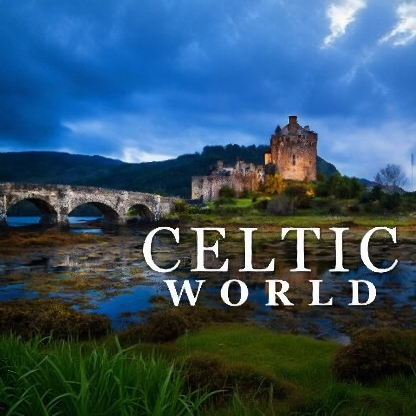
The Celtic World
Original price was: $49.99.$9.99Current price is: $9.99.
Course No. 3733 — Travel through time from 500 B.C. to the present to rediscover the Celtic peoples: their languages, art, society, religion, interactions with Rome and the medieval world, and the modern revivals of Celtic identity.
The Celtic World
Overview
Course No. 3733 — Travel through time from 500 B.C. to the present to rediscover the Celtic peoples: their languages, art, society, religion, interactions with Rome and the medieval world, and the modern revivals of Celtic identity.
Course Description
Following a long history of mythmaking and modern reinvention, our understanding of the Celts has been transformed by archaeology, linguistics, and DNA studies. The Celtic World (24 lectures) challenges popular stereotypes—warriors at Stonehenge, druids as Stonehenge worshipers—and reconstructs who the Celtic-speaking peoples really were, how their art and languages spread from Ireland to Central Europe, and how their legacy persisted and was reinvented in the medieval and modern eras. Professor Jennifer Paxton combines narrative, material culture, and recent scholarship to separate fact from myth and to show how Celtic identity has been created, lost, remembered, and revived.
Instructor
Professor Jennifer Paxton — Director, University Honors Program; Clinical Assistant Professor of History, The Catholic University of America
Lecture List
- Who Are the Celts?
- Description: Introduction to common preconceptions about Celtic identity, the geographic and temporal scope of Celtic-speaking peoples, and the course’s approach.
- Duration: 33 min
- The Celts and the Classical World
- Description: Classical-era written accounts (from Italy, Greece, Spain) that frame early historical impressions of the Celts and theories about migration.
- Duration: 32 min
- Celtic Art and Artifacts
- Description: La Tène art and material culture—war trumpets, jewelry, helmets—and what artifacts reveal about Celtic society and connectivity.
- Duration: 31 min
- Celtic Languages in the Ancient World
- Description: Evidence from inscriptions and linguistic data suggesting maritime networks and the distribution of Celtic languages across Europe.
- Duration: 32 min
- Caesar and the Gauls
- Description: Julius Caesar’s campaigns in Gaul, encounters between Romans and Celtic polities, and the military and cultural consequences.
- Duration: 33 min
- Celtic Religion and the Druids
- Description: Celtic belief systems—divination, reincarnation, ritual practice—and the social role of druids as priests, judges, and advisors.
- Duration: 31 min
- Celtic Britain and Roman Britain
- Description: Arrival and influence of Celtic groups in Britain, interaction with Roman occupation, and regional variations in Romano-Celtic life.
- Duration: 31 min
- Celts and Picts in Scotland
- Description: The Picts and other northern British peoples—their languages, art, and interactions with neighbors and incoming Angles.
- Duration: 30 min
- Prehistoric Ireland and the Celts
- Description: The Book of Invasions and other early Irish sources; mythic origin accounts and what they tell us about identity formation.
- Duration: 31 min
- Celtic Britain after Rome
- Description: Post-Roman developments in Wales, Cornwall, and northern Britain; migration, settlement patterns, and the emergence of Arthurian legend.
- Duration: 32 min
- Brittany and Galicia: Fringe of the Fringe
- Description: Migration from Britain to Brittany and Galicia, differing trajectories of Celtic identity and regional persistence.
- Duration: 32 min
- Celtic Churches
- Description: Christianization of Celtic regions—St. Patrick, St. Brigid, monastic learning—and Irish monastic influence on continental Europe.
- Duration: 32 min
- Celtic Art and Insular Art
- Description: Insular artistic production (Book of Kells, Tara Brooch), stylistic development, and the blending of native and Christian motifs.
- Duration: 31 min
- Medieval Irish Literature
- Description: Genres of medieval Irish literature—mythic cycles, heroic tales, bardic poetry—and their cultural functions.
- Duration: 32 min
- Celtic Women, Families, and Social Structure
- Description: Family-based legal systems, social hierarchies, and the roles, rights, and responsibilities of women in Celtic societies.
- Duration: 34 min
- The Irish Sea World: Celts and Vikings
- Description: Viking interaction with Celtic lands—raids, trade, settlement, and cultural exchange across the Irish Sea.
- Duration: 31 min
- English Invasions of Wales and Ireland
- Description: English military and political incursions, Henry II’s campaigns in Ireland, propaganda, and the origins of enduring stereotypes.
- Duration: 32 min
- Scotland from Macbeth to Braveheart
- Description: Historical reality vs. literary and cinematic portrayals of Macbeth, William Wallace, Robert Bruce, and medieval Scottish politics.
- Duration: 33 min
- Politics and Literature in Wales
- Description: Welsh political struggles, the loss of sovereignty, and the literary tradition (Mabinogi, Dafydd ap Gwilym) that preserved national identity.
- Duration: 32 min
- The Tudor Conquest of Ireland
- Description: Tudor state-building, religious conflict, plantation policies, cultural coercion, and the long-term consequences for Irish society.
- Duration: 34 min
- (Re)Discovering the Celts
- Description: 18th–19th-century rediscovery: linguistic scholarship, antiquarianism, and the romantic revival of Celtic myth and motifs (e.g., tartan revival).
- Duration: 33 min
- The Gaelic Revival in Ireland
- Description: Cultural and political revivalism in Ireland—literature, language revival, and the role of myth in nationalist movements toward independence.
- Duration: 33 min
- Celtic Music and Dance
- Description: Musical instruments (carnyx, bodhrán, crwth), vocal traditions, and the preservation and reinvention of Celtic dance and music.
- Duration: 33 min
- The Celts Today
- Description: Contemporary Celtic identities: bilingualism, cultural festivals, political autonomy movements, and the role of heritage in modern life.
- Duration: 39 min
Learning Objectives
- Reassess popular myths about the Celts using archaeological, linguistic, and genetic evidence.
- Understand regional diversity among Celtic-speaking peoples across Europe and through time.
- Analyze Celtic material culture, religion, literature, and social institutions.
- Trace medieval and modern processes of cultural revival and nationalist appropriation.
- Connect historical scholarship to contemporary Celtic identities and cultural practices.
Target Audience
Students and enthusiasts of ancient and medieval Europe, archaeology, historical linguistics, cultural studies, and anyone curious about the historical roots and modern meanings of Celtic identity.
Related products