Skip to content
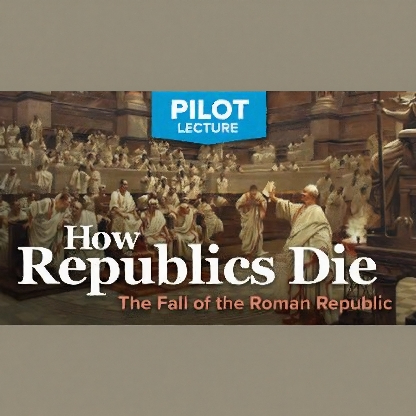
Pilot Lecture: How Republics Die—The Fall of the Roman Republic
Original price was: $19.99.$3.99Current price is: $3.99.
Course No. 90180 — Consider the nature of constitutional governments and their lifespans by examining the collapse of the Roman Republic. This pilot lecture revisits more than five centuries of republican governance to trace how a resilient political system gradually transformed into an increasingly despotic and imbalanced regime.
Pilot Lecture: How Republics Die—The Fall of the Roman Republic
Overview
Course No. 90180 — Consider the nature of constitutional governments and their lifespans by examining the collapse of the Roman Republic. This pilot lecture revisits more than five centuries of republican governance to trace how a resilient political system gradually transformed into an increasingly despotic and imbalanced regime.
Course Description
When is a republic in crisis? How can we distinguish genuine political instability from rhetorical panic? Why do some constitutional systems endure for centuries while others fail quickly? In How Republics Die: The Fall of the Roman Republic, Professor Nicholas Kenney takes you through the political, social, and institutional transformations that undermined Rome’s republican framework. By examining key crises, institutional breakdowns, and the ambitions of powerful individuals, this lecture highlights both the strengths that sustained the Republic and the factors that ultimately converted it into a dictatorship—offering lessons for understanding constitutional fragility today.
Instructor
Professor Nicholas Kenney
Lecture List
- How Republics Die: The Fall of the Roman Republic
- Description: How does a constitutional government fail? Join Professor Nicholas Kenney to explore the transformation of one of the world’s most influential republican governments into a dictatorship, focusing on institutional erosion, political rivalry, and long-term causes of collapse.
- Duration: 36 minutes
Learning Objectives
- Identify the structural strengths and norms that supported the Roman Republic for centuries.
- Analyze the political, social, and individual factors that eroded republican institutions.
- Differentiate short-term crises from long-term institutional decline.
- Draw relevant lessons about constitutional resilience and vulnerability for modern polities.
Target Audience
Students of history, political science, law, and engaged citizens interested in constitutional design, democratic fragility, and lessons from classical antiquity.
Related products




Courses