Skip to content
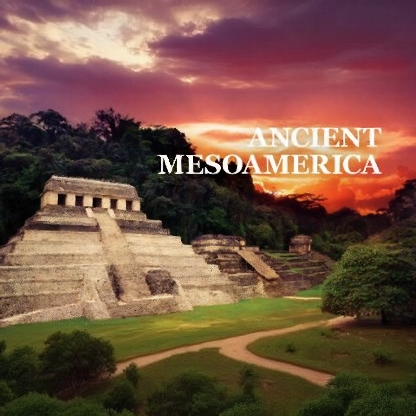
Maya to Aztec: Ancient Mesoamerica Revealed
Original price was: $89.99.$19.99Current price is: $19.99.
This 48‑lecture course surveys the civilizations of ancient Mesoamerica—from the Olmec cradle through the Classic and Postclassic Maya, Teotihuacan, Toltec, and the Aztec Empire—combining archaeology, epigraphy, art history, architecture, astronomy, and ethnohistory. Taught by the Director of the Maya Exploration Center, the course explains cultural achievements (writing, mathematics, calendar systems), monumental cities and ritual centers, daily life, warfare and empire, Spanish contact and conquest, and the survival and revival of indigenous traditions.
Maya to Aztec: Ancient Mesoamerica Revealed
Course Overview
This 48‑lecture course surveys the civilizations of ancient Mesoamerica—from the Olmec cradle through the Classic and Postclassic Maya, Teotihuacan, Toltec, and the Aztec Empire—combining archaeology, epigraphy, art history, architecture, astronomy, and ethnohistory. Taught by the Director of the Maya Exploration Center, the course explains cultural achievements (writing, mathematics, calendar systems), monumental cities and ritual centers, daily life, warfare and empire, Spanish contact and conquest, and the survival and revival of indigenous traditions.
What you’ll learn
- The chronology and geography of major Mesoamerican cultures (Olmec, Teotihuacan, Maya, Toltec, Aztec, and regional polities)
- Innovations in agriculture, architecture, ceramics, textiles, metallurgy, and hydraulics
- Maya writing, calendrics, mathematics, and astronomical practices
- Political formation, empire-building, ritual life (including the ballgame and sacrifice), and the reasons for collapse and resilience
- How Spanish contact unfolded and the long‑term cultural legacies visible today
Video Lessons
01: The Maya, Aztecs, and Mesoamerica (31 min)
Survey of course scope: geography, major cultures, timeline, and the organization of topics and sites to be covered.
02: Olmec Civilization Emerges (32 min)
Introduction to the Olmec as an early Mesoamerican civilization (c.1700–300 BC) and key Olmec sites.
03: Olmec Art as the Mother Culture (28 min)
Examine Olmec monumental sculpture (giant heads), jaguar imagery, and interpretive puzzles about their iconography.
04: Olmec Contemporaries (33 min)
Study cultures contemporary with the Olmec (e.g., Zapotecs) and evidence for regional interaction and influence.
05: Mesoamerican Plants, Cuisine, and Medicine (34 min)
Overview of native plants (maize, cacao, chili, vanilla, rubber) and their central roles in diet, economy, and ritual.
06: Early Highland Maya — Izapa to Kaminaljuyu (30 min)
Trace early highland Maya centers and the monuments that foreshadow Classic Maya civilization.
07: Preclassic Maya Lowlands — El Mirador (30 min)
Explore El Mirador and other large Preclassic lowland centers—the “cradle” of Classic Maya urbanism.
08: The Popol Vuh — Creation and Hero Twins (33 min)
Narrative overview of the Popol Vuh creation epic and the Hero Twins story as foundational Maya mythology.
09: The Great City of Teotihuacan (28 min)
Examine Teotihuacan at its height (c.400 AD): urban form, pyramids of the Sun and Moon, and ritual life.
10: How the Maya Mastered Mathematics (31 min)
Study Maya mathematics: base‑20 positional notation, use of zero, and problem examples.
11: The World’s Most Elaborate Calendar (33 min)
Unlock Maya calendrics: interlocking cycles, long count chronology, and cosmological meaning.
12: Tikal — Aspiring Capital of the Maya World (31 min)
Chart Tikal’s rise, political history, abandonment in the Terminal Classic, and modern rediscovery.
13: Maya Hieroglyphs — Breaking the Code (32 min)
Survey the decipherment of Maya script and key breakthroughs led by epigraphers.
14: Maya Astronomy and Building Orientations (32 min)
Examine astronomical alignments in Maya architecture and their significance for ritual and agriculture.
15: The Dresden Codex (31 min)
Analyze the Dresden Codex—Venus tables, eclipse prediction, divination, and Dr. Barnhart’s contributions to interpretation.
16: Palenque — Jewel in the West (31 min)
Explore Palenque’s art, inscriptions, and Pakal’s tomb—architectural and epigraphic achievements of the city.
17: Sacred Geometry in Art and Architecture (31 min)
Investigate proportional systems and geometric ratios repeatedly used across Maya design.
18: Illuminating Works of Maya Art (29 min)
Study mural art (Bonampak), the Pakal sarcophagus lid, and correct readings versus pseudo‑archaeological claims.
19: Copán — Jungle Dynasty of the East (33 min)
Examine Copán’s dynastic history, monumental sculpture, and epigraphic record (site where lecturer worked).
20: Calakmul — The Mighty Snake Kingdom (31 min)
Trace the history of Calakmul, its “Snake” dynasty, and long rivalry with Tikal and other powers.
21: The Mesoamerican Ball Game (29 min)
Origins, rules, ritual meanings, court architecture, and the ballgame’s role in myth and politics.
22: Enigmatic West Mexico and Shaft Tombs (31 min)
Survey western Mexico’s distinctive shaft tomb tradition, pottery, metalwork, and possible South American links.
23: Classic Maya Collapse — Cities Abandoned! (28 min)
Examine hypotheses (warfare, drought, environmental degradation, volcanism) and the lecturer’s proposed solution to the Classic collapse.
24: New Cities of the Terminal Classic — Uxmal (28 min)
Study Terminal Classic urbanism and the distinctive architecture and political forms exemplified at Uxmal.
25: Monte Albán and Zapotec Rule over Oaxaca (30 min)
Investigate Monte Albán’s urban layout, monuments, and Zapotec political dominance in Oaxaca.
26: The Mixtec Rise — Gold and Epic Stories (29 min)
Explore Mixtec metalwork (Tomb 7), illustrated codices, and elite narrative traditions.
27: The Great Pyramid of Cholula and El Tajín (28 min)
Study Veracruz‑area monumental architecture—Cholula’s pyramid (larger than Egyptian pyramids) and El Tajín’s plaza culture.
28: Cacaxtla Murals and Xochicalco (30 min)
Examine central Mexican mural art at Cacaxtla and Toltec‑influenced ceremonial center of Xochicalco.
29: The Toltecs — Role Models or Myth? (32 min)
Investigate Tula/Toltec legacy, Quetzalcoatl legend, and how the Aztecs envisioned Toltec primacy.
30: Chichén Itzá — Maya Capital of the Yucatán (32 min)
Study Chichén Itzá’s Toltec‑Maya phase (1000–1200 AD), monumental architecture, and interregional connections.
31: League of Mayapan — Maya New World Order (28 min)
Explore Mayapan’s political model, copied architecture, and experiments with representative institutions in the Postclassic north.
32: Mesoamerican Religion (32 min)
Survey major deities, ritual cosmologies, and religious continuities from Olmec to Aztec religion.
33: Aztec Origins — Arrival and Rise of the Mexica (28 min)
Trace Aztec/Mexica origins, migration myths, and the political, economic, and military strategies that produced empire.
34: The Aztec Capital of Tenochtitlan (30 min)
Recreate the experience of Tenochtitlan at its apogee: urbanism, markets, canals, and civic life beneath the modern Mexico City.
35: Life in the Aztec World (32 min)
Daily life, social organization, marriage, festivals, and the place of human sacrifice in Aztec society—using Spanish and indigenous accounts.
36: How the Aztecs Expanded Their Empire (29 min)
Study Aztec conquest methods, tributary arrangements, and imperial governance compared to other empires.
37: Independent Tarascans — Desert Warriors (30 min)
Examine the Tarascan (Purépecha) state—their military capacities and cultural distinctiveness relative to the Aztecs.
38: Paquimé — Northernmost Mesoamerican City? (31 min)
Investigate Paquimé (Casas Grandes) on the northern frontier and hypotheses about its ties to southern Mesoamerica or the Southwest.
39: Illuminating Works of Aztec Art (28 min)
Survey major Aztec artifacts: Calendar Stone, Stone of Tizoc, Coatlicue statue, and the pictorial histories like the Codex Mendoza.
40: Tulum — Aztecs at the Ancient Maya Port City (30 min)
Explore late Pre‑Columbian coastal interaction at Tulum and signs of Aztec influence or incursion.
41: First Contact with Europe in Mesoamerica (28 min)
Trace early European voyages to the Americas, Columbus’s encounters, and later expeditions that reached Mesoamerica.
42: The Siege of Tenochtitlan (34 min)
Analyze Cortés’s conquest of the Aztec Empire—native alliances, tactics, and the decisive role of epidemic disease.
43: Conquest of the Maya and Landa’s Legacy (31 min)
Follow decades of campaigns to subdue the Maya and the destructive actions of Diego de Landa against Maya books and ritual.
44: The Fall of the Last Maya Kingdom — The Itza (29 min)
Study the prolonged resistance of the Itza in the Petén and the strategies that finally brought them down in 1697.
45: The Caste Wars of Yucatán (31 min)
Examine 19th‑century Maya resistance (Caste Wars), prolonged conflict with the Mexican state, and its social consequences.
46: Echoes of the Past in Mexico (29 min)
Survey contemporary indigenous survivals (Zapotec, Huichol, Nahua) and how ancient traditions persist and adapt today.
47: Maya Survival and Revival (29 min)
Explore modern Maya cultural continuity and revival—demographics, language, ritual life, and cultural resilience in Guatemala and beyond.
48: Frontiers of Mesoamerican Archaeology (35 min)
Review current research frontiers, major unanswered questions, promising projects, and sites awaiting excavation.
Related products