Skip to content
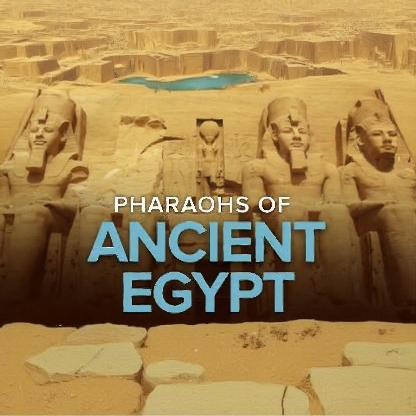
Great Pharaohs of Ancient Egypt
Original price was: $19.99.$3.99Current price is: $3.99.
What is it about ancient Egypt that still captures our imaginations? This 12-lecture course traces more than 3,000 years of Egyptian history, examining the rise of the first nation along the Nile, the builders of the pyramids, visionary and controversial pharaohs, daily life, and the eventual Greek and Roman eras. Through the lives of Narmer, Sneferu, Hatshepsut, Akhenaten, Tutankhamen, Ramses II, the Nubian restorers, Alexander, the Ptolemies, and Cleopatra, the course presents a narrative history that blends archaeology, biography, and cultural context.
Course Overview
What is it about ancient Egypt that still captures our imaginations? This 12-lecture course traces more than 3,000 years of Egyptian history, examining the rise of the first nation along the Nile, the builders of the pyramids, visionary and controversial pharaohs, daily life, and the eventual Greek and Roman eras. Through the lives of Narmer, Sneferu, Hatshepsut, Akhenaten, Tutankhamen, Ramses II, the Nubian restorers, Alexander, the Ptolemies, and Cleopatra, the course presents a narrative history that blends archaeology, biography, and cultural context.
What you’ll learn
- How Egypt unified and became the dominant power of the ancient Near East
- The technological and ideological origins of pyramid building
- The social, religious, and political roles of pharaohs and the consequences of major reforms
- Key discoveries in Egyptology and what they tell us about ancient lives and deaths
- The transition from native Egyptian rule to Greek and Roman control and the legacy that endured
Video Lessons
01: King Narmer — The Unification of Egypt (33 min)
This lecture explains how Narmer unified Upper and Lower Egypt and how the first nation-state along the Nile came to dominate the Near East for millennia, including the significance of the Narmer Palette as an early historical document.
02: Sneferu — The Pyramid Builder (30 min)
Covers Sneferu’s role in the origins of true pyramid construction, Egypt’s emergence as an international power, and the artistic standards his dynasty established for centuries.
03: Hatshepsut — Female Pharaoh (30 min)
Explores the life and achievements of Hatshepsut, one of Egypt’s most remarkable rulers, and examines why her name was later systematically erased from records.
04: Akhenaten — Heretic Pharaoh (30 min)
Analyzes Akhenaten’s radical attempts to reform religion, the military, and the institution of kingship, and the profound consequences of his religious revolution.
05: Tutankhamen — The Lost Pharaoh (31 min)
Details the events and discoveries leading to the tomb of Tutankhamen, including the modern history of its excavation and its outsized cultural impact.
06: Tutankhamen — A Murder Theory (30 min)
Professor Brier presents his research proposing that Tutankhamen may have been murdered, and discusses what autopsy and forensic study of mummies can reveal.
07: Ramses the Great — The Early Years (30 min)
Covers the rise of Ramses II, his military successes, monumental building projects, and why his early reign cemented his reputation as one of Egypt’s greatest pharaohs.
08: Ramses the Great — The Twilight Years (31 min)
Examines the later decades of Ramses’s long reign, changes in his personality and rule, and the debated connection between his reign and the biblical Exodus.
09: The Great Nubians — Egypt Restored (30 min)
Discusses how Nubian kings rose to power in Egypt’s later history, restored many aspects of Egyptian civilization, and defended the land from invaders.
10: Alexander the Great — Anatomy of a Legend (30 min)
Surveys Alexander’s conquest of Egypt, his acceptance as pharaoh, and the three stages of his career—young general, ruler, and lasting legend—ushering in Hellenistic dominance.
11: The First Ptolemies — Greek Greatness (30 min)
Examines the Ptolemaic dynasty’s rule, their Greek administrative and cultural innovations, and how their governance marked the beginning of the end for native Egyptian political autonomy.
12: Cleopatra — The Last Pharaoh (31 min)
Reconstructs Cleopatra’s life and politics—her alliances with Julius Caesar and Mark Antony, her efforts to revive Egypt’s religion and greatness, and her enduring enigma as the final native ruler before Roman annexation.
Related products