Skip to content
Memory and the Human Lifespan
Original price was: $49.99.$9.99Current price is: $9.99.
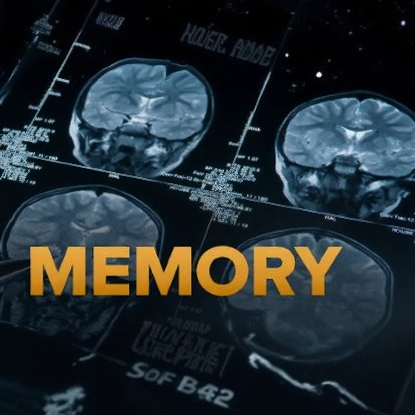
Embark on a startling voyage into the human mind to discover how the various aspects of your memory operate. An award-winning professor explains the different systems that make memory possible and how these systems work together.
Course Overview
Embark on a startling voyage into the human mind to discover how the various aspects of your memory operate. An award-winning professor explains the different systems that make memory possible and how these systems work together.
What if your memory suddenly vanished, so that you could no longer summon recollections of anything at all? What if you couldn’t even remember yourself—not your name, your school, where you worked, or even the face of the total stranger staring back at you from the mirror? If all of your memories were gone, would “self” even have a meaning?
This intriguing series of 24 lectures explores:
- The different kinds of systems that make memory possible.
- How memory shapes your experience of the past, present, and future.
- The impact of brain damage, aging, and diseases like Alzheimer’s.
- Techniques to improve memory and avoid common pitfalls.
Video Lectures
01: Memory Is a Party (31 min)
Using the metaphor of a party, Professor Joordens introduces episodic, semantic, and procedural memory.
02: The Ancient “Art of Memory” (31 min)
Explore mnemonic strategies like the Method of Loci to enhance recall.
03: Rote Memorization and a Science of Forgetting (32 min)
Examine Hermann Ebbinghaus’s experiments on remembering and forgetting.
04: Sensory Memory—Brief Traces of the Past (28 min)
Discover how iconic (visual) and echoic (auditory) memory shape perception.
05: The Conveyor Belt of Working Memory (31 min)
Learn how working memory processes information for problem-solving.
06: Encoding—Our Gateway into Long-Term Memory (30 min)
Understand how information moves from temporary to long-term storage.
07: Episodic and Semantic Long-Term Memory (31 min)
Compare these memory systems using analogies like London taxi drivers.
08: The Secret Passage—Implicit Memory (31 min)
Explore how experiences enter memory without conscious effort.
09: From Procedural Memory to Habit (28 min)
See how muscle memory and cognitive habits form.
10: When Memory Systems Battle—Habits vs. Goals (28 min)
Learn why habits dominate and how to regain control.
11: Sleep and the Consolidation of Memories (30 min)
Investigate the link between sleep stages and memory strengthening.
12: Infant and Early Childhood Memory (29 min)
Track memory development from the womb through early years.
13: Animal Cognition and Memory (32 min)
Compare human memory with animal memory capabilities.
14: Mapping Memory in the Brain (30 min)
See how fMRI reveals memory creation and retrieval in the brain.
15: Neural Network Models (30 min)
Examine computer models mimicking human memory processes.
16: Learning from Brain Damage and Amnesias (32 min)
Study how brain injuries affect memory in real-life cases.
17: The Many Challenges of Alzheimer’s Disease (31 min)
Understand Alzheimer’s progression and emerging treatments.
18: That Powerful Glow of Warm Familiarity (29 min)
Discover why familiarity feels comforting and how it influences decisions.
19: Deja Vu and the Illusion of Memory (30 min)
Theories behind the uncanny sensation of déjà vu.
20: Recovered Memories or False Memories? (31 min)
Can we vividly “remember” events that never happened?
21: Mind the Gaps! Memory as Reconstruction (30 min)
Learn how memories are reconstructed, not just retrieved.
22: How We Choose What’s Important to Remember (30 min)
Techniques to influence what sticks in memory.
23: Aging, Memory, and Cognitive Transition (29 min)
Debunk myths about memory decline with age.
24: The Monster at the End of the Book (32 min)
Reflect on balancing memory—remembering, forgetting, and choice.
Related products